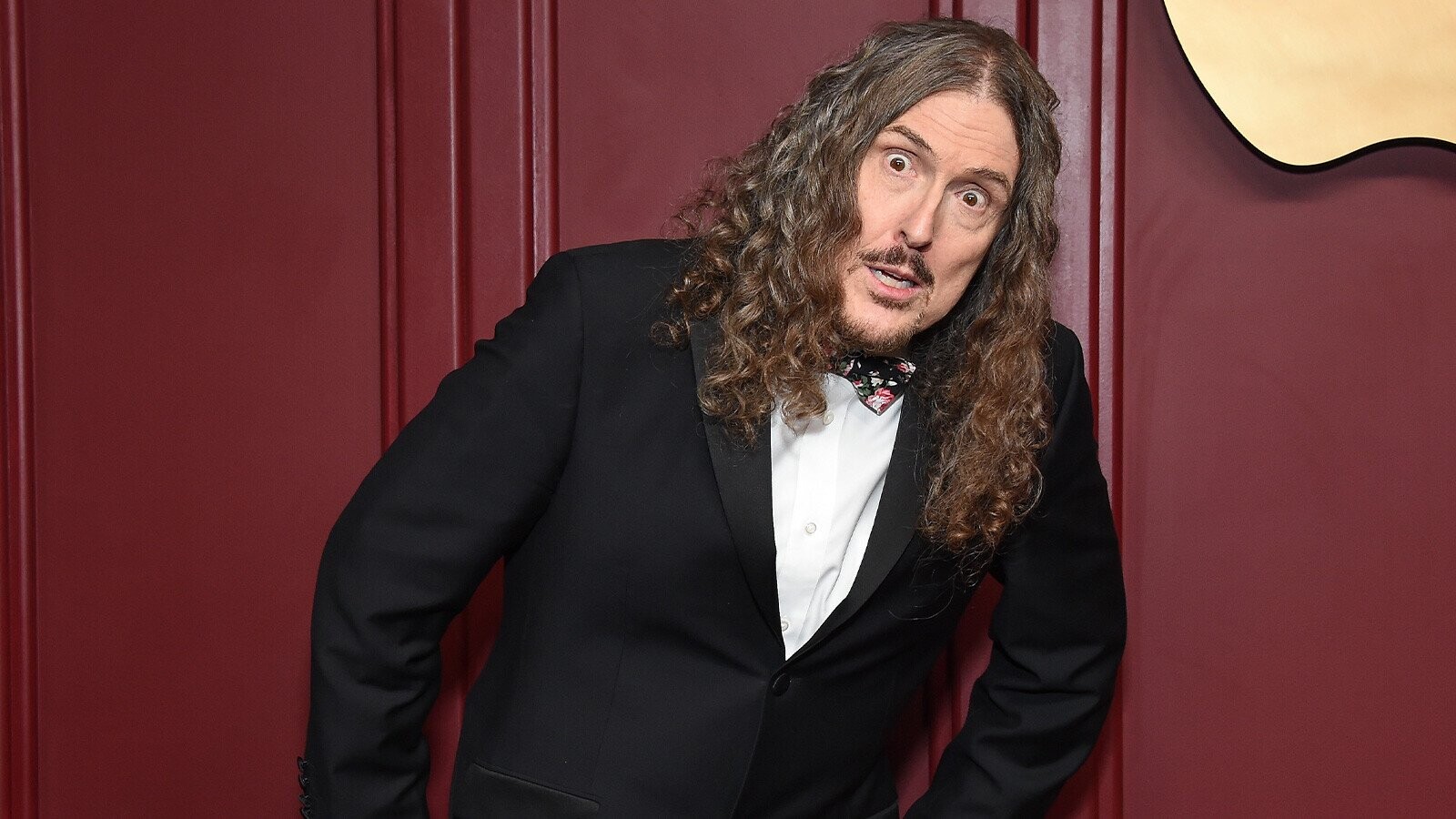

There are plenty of ways to make money on the road: sell out stadiums, launch a fragrance called “Eau de Sold-Out,” orif you’re Alfred “Weird Al” Yankovicwalk onstage with an accordion and somehow turn nostalgia, musicianship, and perfectly timed stupidity into a very serious paycheck.
The headline is the kind of thing that makes you blink twice: “Weird Al made $8 million on his latest tour.” And the best part? It’s not because he discovered a secret vault of rare parody coins under the stage. It’s because live entertainment has become the ultimate “prove you’re beloved” scoreboardand Weird Al is shockingly good at winning.
The $8 Million Moment: What “Made” Actually Means Here
First, a quick translation for anyone not fluent in Tour Business: when outlets talk about a tour “making” a certain amount, they’re usually referencing box office grossthe total ticket revenue reported for a set period (often a month). In this case, reporting around the 2025 Bigger & Weirder run pointed to Weird Al pulling in more than $8 million in a single month on the road.
That’s a big deal for any performer. It’s an especially big deal for a comedy-music icon whose superpower is turning the pop culture timeline into a singalong where everyone knows the punchline and still laughs anyway.
Gross vs. Net: The Tour Math People Forget (On Purpose)
Let’s be crystal clear: gross is not profit. Gross is the top-line number before a million moving parts get paid: production, crew, trucks, audio/lighting/video, venue costs, insurance, marketing, staffing, and the human beings whose job is to make sure nobody accidentally sets off a confetti cannon in the wrong direction.
Industry reporting also has definitions that matter. For example, Pollstar’s box office reporting guidelines treat “gross” as money from ticket sales and exclude things like taxes and many fees. Translation: “gross” is a helpful headline number, but it’s not a bank balance you can fold into your wallet like a receipt.
Still, when you’re clearing eight figures in gross across a tour season (or $8M+ in a single month), it’s an unmistakable signal: demand is high, routing is smart, and the show is connecting.
Why This Tour Got So Big, So Fast
The Bigger & Weirder concept wasn’t subtle. It was basically a mission statement: go bigger than the intimate theater runs, bring back the full spectacle, and give longtime fans the classic “Weird Al” experiencecostumes, video, big singalongswhile still sneaking in deep cuts for the hardcore crowd.
1) The “Big Venues” Comeback Strategy
Weird Al spent years doing formats that were deliberately smaller and nerdier: more “musician’s musician,” less “running around dressed like a pop star that got trapped in a Halloween store.” Those tours built credibility and gave fans a different angle. Then, when the big-production version returned, it felt like an eventnot just another date on the calendar.
Pollstar framed the 2025 run as his return to larger venues after years in more intimate settings, and the routing included big-name stops (including a Madison Square Garden date). That kind of venue mix alone changes the revenue ceiling.
2) The Show Itself Is Built for Repeat Business
Weird Al concerts aren’t passive. They’re interactive in the way only comedy-plus-music can be: people come ready to shout lyrics, quote bits, and watch costume changes like it’s an Olympic sport.
The Bigger & Weirder production leaned into the “full multimedia” identity: an expanded ensemble, big visuals, and a format that treats his catalog like a highlight reel with jokes baked into the transitions. In other words: it feels “worth it,” which is the entire battle in a world where audiences have infinite entertainment options at home.
3) Multi-Generational Fans (A.K.A. The Secret Sauce)
Weird Al’s audience is a rare blend:
- Original fans who grew up on MTV-era parodies
- Internet-era fans who discovered him through memes, YouTube, and streaming
- Kids who got introduced because their parents insisted, “No, trust me, this is art”
That mix matters. It makes the tour more resilientless dependent on a single moment or a single demographicand it’s why a performer who hasn’t released a studio album in a while can still sell tickets at scale.
Real Numbers That Explain the Hype
Big headlines get attention. Specific examples make them believable.
Madison Square Garden: A “We Did It” Milestone
One of the most telling data points from the Bigger & Weirder era: a sold-out Madison Square Garden show reportedly grossed over $1.1 million on 12,000+ tickets. That’s not just a bragging-rights venueit’s a proof-of-demand stamp that says: this isn’t a cult favorite doing a victory lap; this is a mainstream-capable event.
And yes, it’s delightfully absurd when you remember the origin story: Weird Al can look at a crowd in an arena and think, “I recorded ‘My Bologna’ in a college bathroom.” That’s the kind of career arc you can’t reverse-engineer in a boardroom.
Tour Scale: The “This Is a Lot of Cities” Effect
By the end of the 2025 leg, the tour had played dozens of cities, and reporting around the 2026 extension notes that 2025 reached over 500,000 fans across 67 cities. Even without obsessing over exact averages, that’s the kind of volume that turns a strong month into a strong year.
How a Tour Like This Actually Generates Revenue
The public sees “ticket price × tickets sold.” The tour business sees a layered cakedelicious, complicated, and guaranteed to get icing on somebody’s shirt.
Ticket Sales: The Engine
Ticket revenue is the core. But “tickets sold” depends on more than just fandom. It’s about:
- Capacity (amphitheaters and arenas change the math)
- Routing (smart city spacing prevents fan fatigue)
- Timing (summer runs can be especially powerful)
- Production value (people pay for “an experience,” not just a playlist)
And because “gross” reporting generally focuses on the ticket revenue itself (not all the extra fees), it gives a cleaner apples-to-apples look at who’s moving actual seats.
Merch: The “I Was There” Tax Fans Happily Pay
Concert merch is less about apparel and more about identity: “I like this thing enough to wear it in public and risk strangers starting a conversation.” Weird Al fans are unusually proud of being seen as Weird Al fans, which helps merch perform like a second act of revenue.
VIP, Premium Packages, and the Experience Economy
Modern touring leans hard into tiered experiences. Even if you never touch a VIP package, they can meaningfully lift the average revenue per attendee for the fans who do. It’s not just “better seats”it’s “a better story.”
The Bigger & Weirder productiongiant visuals, costume changes, expanded bandsupports that mindset because it feels premium by design.
Why Comedy-Music Tours Can Be Surprisingly Powerful
Pure stand-up tours can be huge. Pure music tours can be huge. Weird Al lives in the sweet spot between them:
- He’s a musician with a tight, long-running band and real chops.
- He’s a comedian whose catalog is basically punchlines set to hooks.
- He’s a brand that’s broadly family-friendly without being bland.
That combo increases the likelihood of group attendance (“Bring your spouse,” “Bring your kids,” “Bring your friend who only listens to ‘serious music’ and watch them crack during the first costume change”). And group attendance is how tours scale.
What This Says About Live Entertainment in 2025–2026
The bigger story behind the Weird Al headline is that live entertainment has become one of the clearest indicators of cultural connection. People are picky with time and money. They’ll still pay when the show feels like a memory in the making.
Industry analysis has shown the top end of touring staying strong in recent years, with blockbuster demand helping drive enormous totals for the biggest live acts. Weird Al’s numbers aren’t stadium-level, but that’s the point: you don’t have to be the biggest pop star alive to have a monster run if you can sell the room consistently.
What’s Next: Bigger & Weirder Keeps Getting Bigger
The tour didn’t stop at 2025. It expanded into 2026 with a huge new slate of North American datesan extension that only happens when the economics and the audience both say, “Yes, please, keep going.”
In touring terms, that’s the ultimate compliment: the market didn’t just tolerate you; it requested an encore.
What It’s Like to Experience the “Bigger & Weirder” Show (500+ Words of Real-World Vibes)
If you’ve never been to a Weird Al concert, here’s the most accurate spoiler-free description: it feels like walking into a giant inside joke where everyone knows the lore, but nobody is mean about it. You’ll see families, couples, friend groups, and at least one person dressed like they lost a bet with a thrift store. (That person is not lost. That person is thriving.)
The night usually starts before the lights go down. The lobby energy is a mix of “concert excitement” and “comic convention friendliness.” People compliment each other’s shirts. Strangers bond over a shared memory of hearing a parody for the first time. Someone inevitably says, “I can’t believe he’s playing this venue,” like they’re still processing the idea that an accordion can fill an arena.
When the show kicks off, the first surprise is how tight it sounds. This isn’t a novelty act coasting on punchlines. The band is locked in, the arrangements are sharp, and the added players make it feel larger than the “classic lineup” years. It’s rock-solid musicianship wearing a goofy hatand somehow the hat makes the musicianship even more impressive.
Then come the visuals. “Bigger & Weirder” is built like a living scrapbook: video interludes, fast transitions, and a pace that keeps the room buzzing even when Al isn’t singing. Those clips aren’t filler; they’re part of the experience, reminding you that Weird Al has been woven into pop culture for decades in a hundred weird side-doors. You’re not just watching a concertyou’re watching a career montage with live instruments.
The costume changes are a sport. People cheer for outfits the way they cheer for songs, because certain looks are basically characters at this point. There’s a special joy in watching thousands of adults lose their minds because a man put on a wig and committed to the bit like it’s a sacred duty. You’ll also notice how the crowd reacts differently to different eras: older fans light up at the early classics, younger fans scream at newer favorites, and everyone meets in the middle for the “how do I know all these lyrics?” moments.
Another thing you feel in the room: gratitude. Not in a sappy waymore like a collective “I’m glad this exists” wave. Weird Al’s humor tends to be playful rather than cruel, and that vibe spreads. Even the loudest singalongs feel welcoming. You can tell plenty of people in that building have carried his music through awkward school years, rough weeks, and long drives. A Weird Al show doesn’t demand that you be cool; it rewards you for showing up as yourself. That’s rare.
And when the big hits landwhen the entire crowd becomes a choir of people yelling updated lyrics to songs that once ruled the radio it’s less like “listening to a parody” and more like celebrating a shared language. You’re laughing, sure. But you’re also watching how comedy can make a room feel unified. In 2025, that’s basically a superpower.
You leave with the specific kind of post-show glow that usually comes from two things: (1) hearing songs you genuinely love, and (2) remembering that fun is not frivolous. If Weird Al can turn “a college bathroom recording” into a night at Madison Square Garden, you can probably handle whatever is waiting in your inbox tomorrow.
Conclusion
The “$8 million” headline isn’t just a fun trivia nuggetit’s a snapshot of how well Weird Al’s Bigger & Weirder era connected with the modern live music economy. Bigger venues raise the ceiling. A high-production show increases perceived value. A multi-generational fanbase keeps demand consistent. And strong box office months turn into long tourswhich turn into even longer tours.
So yes: Weird Al made $8 million (and then some) on the road. Which is proof that in America, you can absolutely build a thriving entertainment empire by being talented, hardworking, and just the right amount of weird.