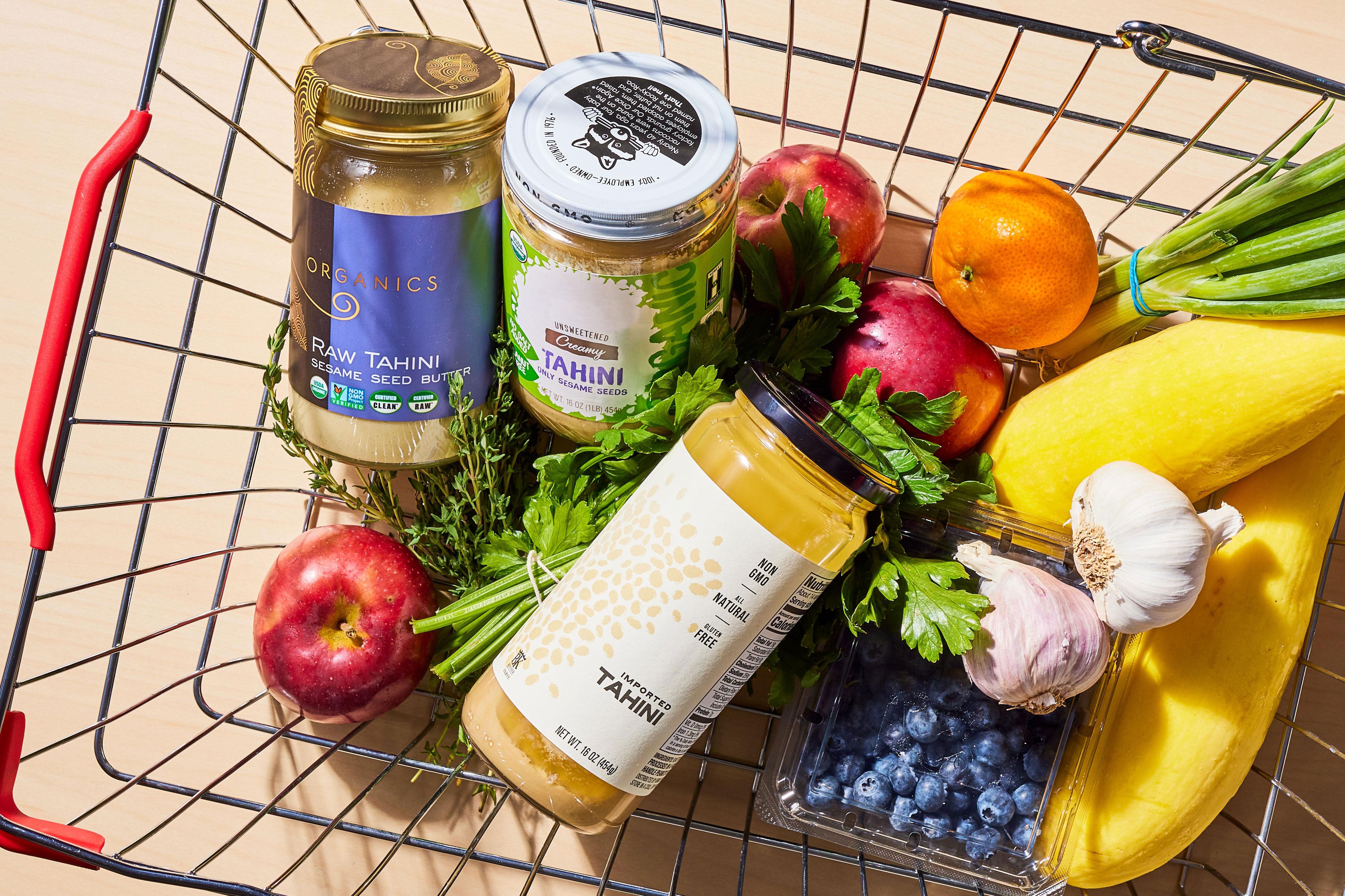

You walked in for tahini. A simple mission. A noble mission. And yet somehow, tahini has the uncanny ability to
disappear the moment you need itlike your keys when you’re already late.
The good news: most U.S. grocery stores carry tahini now. The mildly annoying news: there’s no universal “Tahini
Headquarters” aisle. Stores file it wherever it fits their logic that day (and sometimes their logic is “vibes”).
This guide will help you find it fast, buy a good one, and actually use the jar instead of letting it become a
back-of-the-fridge fossil.
What Tahini Is (and Why It Doesn’t Have One Official Aisle)
Tahini is a creamy paste made from ground sesame seeds. Think “peanut butter’s sophisticated cousin” who travels,
speaks three languages, and somehow makes even roasted broccoli feel like a restaurant dish.
Because tahini sits at the crossroads of several grocery categoriesinternational cooking, nut/seed butters,
condiments, health foodsit can land in different places depending on the store. That’s why you may find it next to
peanut butter in one supermarket, and next to falafel mix in another.
The 6 Most Common Places Tahini Hides in a Grocery Store
1) Nut and Seed Butter Aisle (Your Best First Stop)
Start where the spreads live. Many stores shelve tahini with peanut butter, almond butter, sunflower seed butter,
and other jarred “spreadable life choices.” It may be on a top or bottom shelf, especially if the selection is small.
- Look for: jars labeled “tahini,” “sesame paste,” or “sesame seed butter.”
- Pro tip: scan the “natural/organic” section of the same aisle if your store splits brands.
2) International Foods (Middle Eastern / Mediterranean Section)
If your store has an international aisle, tahini often shows up thereespecially near Middle Eastern or Mediterranean
items. Think hummus ingredients, falafel mixes, grape leaves, harissa, shawarma seasonings, and sometimes olive spreads.
- Also check: a “Greek” subsection or specialty imports area if your store organizes by region.
- Sneaky spot: some stores tuck it near kosher/Jewish foods because it’s used in many regional cuisines.
3) Condiments and Spreads (Jams, Honey, Dressings, Sauces)
Some retailers treat tahini as a condimentespecially if they carry squeeze bottles or flavored versions. In that case,
it might be near jams, honey, syrups, salad dressings, or sauces. Not the first place you’d look, but tahini has never
asked our permission.
4) Health Food / Natural Foods Section
In stores with a dedicated “natural” area, tahini may be stocked there because it’s plant-based and commonly used in
dairy-free sauces and dressings. If you see shelves with chia, nut milks, specialty flours, and “ancient grains,”
tahini may be hanging out nearby.
5) Oils and Specialty Cooking Ingredients
A smaller (but real) possibility: tahini shelved near cooking oils, vinegars, and specialty ingredients. Some stores
treat it more like an ingredient than a spreadsimilar to how they place pesto or fancy nut oils.
6) Refrigerated Dips and Deli Area (Rare, but Possible)
Most tahini is shelf-stable in jars. But a few stores sell refrigerated tahini-based sauces or fresh tubs (like a
lemon-garlic tahini dressing) near hummus, dips, and prepared foods. If you’re looking for a sauce rather than
plain tahini paste, the fridge case is worth a peek.
A 60-Second “Find Tahini Fast” Checklist
- Go to the nut/seed butter aisle first. Scan top and bottom shelves.
- Check the international aisle (Middle Eastern/Mediterranean).
- Look in natural/health foods if your store has a separate section.
- Try condiments/spreads if you’re striking out.
- Last resort: oils/specialty ingredients, then refrigerated dips (if you’re hunting a ready-made sauce).
What to Type into the Store App (Because Apps Don’t Judge You)
If your grocery store has an app or website, search before you even leave the cart corral. Use a few different terms
because product titles vary:
- tahini
- sesame paste
- sesame seed butter
- tahina (alternate spelling)
Bonus: some store listings will show the aisle number. If you see that feature, you’ve essentially unlocked the cheat
code for grocery shopping.
Store-by-Store Clues (U.S. Chains)
Every location can differ, but these patterns are common enough to save you laps around the store (and prevent you
from accidentally buying three unrelated things you “suddenly remembered”).
Walmart
Walmart frequently groups tahini under International Foods, though some stores may also stock it near
nut butters depending on shelf space. If you’re browsing online for pickup/delivery, you’ll often see it categorized
as an international pantry item.
Target
Target’s online categories may place tahini under Mediterranean/international-style pantry groupings, and it can also
appear among spreads and nut/seed butters. In-store placement varies by location and store size.
Kroger (and similar large supermarkets)
Kroger and other big chains often carry tahini under their natural/organic labels as well as imported brands. Online
listings may even show an aisle numberhelpful, but still store-specific. If it’s not in international, check
nut/seed butters next.
Whole Foods and natural-focused grocers
Natural-focused stores tend to stock tahini with nut/seed butters or within a section devoted to Mediterranean and
specialty pantry items. You’ll often see a wider range here: organic tahini, different roast levels, and sometimes
squeezable options.
Trader Joe’s
Trader Joe’s often features tahini in recipes and may carry a jarred organic tahini, though availability can vary by
region and season. If you don’t see it, ask a crew memberTrader Joe’s is famously good at saying, “It’s on a boat,”
which somehow makes you feel better.
If You Still Can’t Find It, Ask This One Magic Question
Instead of asking “Where’s tahini?” try:
“Where do you keep sesame paste or sesame seed butter?”
Not everyone recognizes the word “tahini,” but “sesame paste” usually clicks immediately. If the employee says,
“Do you mean the hummus stuff?” congratulationsyou’re seconds away from victory.
How to Choose a Good Tahini (So Your Hummus Doesn’t Taste Like Regret)
Tahini varies more than most people expect. Two jars can look similar, but taste and texture can be wildly different.
Here’s what to look for:
Check the ingredients
Many quality tahinis are extremely simple: sesame seeds (sometimes salt). Added oils aren’t always a
deal-breaker, but a short ingredient list is usually a good sign.
Hulled vs. unhulled
- Hulled tahini is more common in U.S. grocery stores. It’s typically smoother and milder.
- Unhulled tahini can taste more robust and slightly bitter, with a deeper color.
Roasted vs. unroasted
- Roasted sesame often gives a nuttier, toastier flavor.
- Unroasted can be lighter and more delicate.
Texture clues in the jar
Oil separation is normaltahini is a natural product. If you see a layer of oil on top, that’s not a problem; it just
means you’ll need to stir it back together. (Yes, stirring can feel like cardio. No, it doesn’t count as leg day.)
How to Store Tahini (and Keep It Tasty)
Unopened tahini is usually shelf-stable. Once opened, you have options:
- Pantry: convenient and keeps tahini looser and easier to mix.
- Refrigerator: can slow oil separation, but tahini may stiffen and need time to soften before use.
Either way, keep the lid tightly closed, use a clean utensil (no double-dipping with hummus crumbs), and stir well
when oil separates. If it ever smells rancid or tastes sharply bitter in an “old nuts” way, it’s time to replace it.
What to Make Once You Finally Buy Tahini
Tahini is best known for hummus, but it’s not a one-hit wonder. Here are easy, high-reward uses:
- Lemon-garlic tahini sauce: whisk tahini + lemon juice + garlic + salt, then thin with water.
- Salad dressing: add olive oil, vinegar, mustard, or honey for balance.
- Grain bowls: drizzle over rice, quinoa, roasted vegetables, and chickpeas.
- Sandwich spread: swap mayo for tahini (especially good with cucumber and roasted red pepper).
- Sweet moves: tahini + chocolate + a pinch of salt = dessert energy.
What If Tahini Is Sold Out? Quick Substitutes
If the shelf is empty (or the store is playing hard-to-get), try these substitutes depending on what you’re making:
- For sauces/dressings: sunflower seed butter or almond butter (flavor changes, but texture works).
- For hummus: use a mild nut/seed butter plus a little toasted sesame oil for sesame flavor (go light).
- DIY emergency tahini: blend toasted sesame seeds with a neutral oil until smooth (works best with a strong blender).
FAQ: Tahini Shopping Questions People Actually Ask in the Aisle
Is tahini always in the international aisle?
Nope. It’s often in international foods, but many stores place it with nut/seed butters or condiments. If you check
only one place, you may miss it.
Is tahini the same as sesame oil?
Different products. Tahini is a ground sesame paste; sesame oil is an extracted oil. They can work together, but
they’re not interchangeable in most recipes.
Does tahini need refrigeration?
Not always. Many people keep it in the pantry for easy stirring and pouring. Refrigeration can slow separation, but
may make it thicker.
Why does tahini taste bitter?
Some bitterness is normal, especially with unhulled tahini or certain roast levels. If it tastes aggressively bitter
or smells rancid, it may be old.
Conclusion: Tahini Is Findable (Even If It’s Playing Hide-and-Seek)
If you remember just one thing, make it this: start in the nut and seed butter aisle, then move to
international foods. Those two spots cover most grocery stores. After that, check natural foods and
condiments, and use the store app with search terms like “sesame paste.”
Once you’ve got it, tahini earns its pantry space. It turns basic meals into “Oh wow, did you cook?” mealswithout
requiring a culinary degree or a trip to a specialty market. And if you do have to walk three aisles to find it,
just call it what it is: free cardio with a creamy sesame reward.
Extra: Common Shopping Experiences (Because Tahini Always Makes It an Adventure)
If you’ve ever searched for tahini in a grocery store, you’ve probably experienced at least one of these very real,
very human momentsmoments that deserve to be honored, preferably with snacks.
The “I’m sure it’s by hummus” phase: A lot of people start their hunt near the refrigerated dips,
because tahini feels like it should be near hummus. That’s a logical assumption… which is exactly why it doesn’t always
work. Some stores sell refrigerated tahini-based sauces there, but the classic jar is often somewhere totally different.
When this happens, shoppers do a quick lap, squint at the shelf tags, and begin negotiating with themselves: “If I can’t
find it in two more minutes, we’re having guacamole instead.” (A valid backup plan, honestly.)
The “top shelf surprise”: Even when tahini is in the nut butter aisle, it can be shelved in
the weirdest spotlike the very top shelf where only NBA forwards can shop comfortably, or the bottom shelf where you
suddenly remember you’re not as flexible as you were in high school. This is why experienced tahini hunters scan the
entire vertical space like they’re searching for a lost contact lens. It’s not dramatic. It’s tactical.
The “I found it… and it’s the size of a shampoo bottle” moment: Sometimes the only option left is a
giant jar meant for a hummus-making household or a small catering company. If you’re a first-time buyer, that’s when you
do quick math in your head: “Will I realistically use 32 ounces of tahini before 2037?” If the answer is “maybe,” aim
for a smaller jarunless you’re committing to weekly tahini dressings, cookies, and noodle sauces. In that case: welcome
to the sesame club. We meet on Tuesdays, emotionally.
The “store app detective” win: Once shoppers discover that the store app can reveal the aisle or at
least the category, it’s hard to go back. Searching “tahini” and seeing it pop up under “International Foods” feels like
finding a hidden map. Even when the app is slightly off, it narrows the hunt and saves time. People who use the app tend
to walk with more confidencelike they have insider infobecause, technically, they do.
The “ask an employee” glow-up: There’s a specific kind of relief that happens when you finally ask,
“Do you have sesame paste?” and the employee immediately points you to the right shelf. It’s not just about finding tahini.
It’s about realizing you didn’t need to suffer alone. Bonus points if you also learn an alternate name (“tahina,” “sesame
butter”) or discover your store keeps it near kosher foods or specialty oils. That information becomes part of your future
grocery wisdomright next to “never shop hungry.”
The “stirring reality check” at home: Then you open the jar and see the oil separation and think,
“Did I buy a science experiment?” Totally normal. Many shoppers learn the “stir it like you mean it” technique the first
time. A sturdy spoon, a little patience, and a few determined wrist circles later, it’s creamy and smooth. The next time
you buy tahini, you’ll stir it like a veteran. You may even tell someone else, unprompted, “Oil separation is normal,”
which is how you know you’ve leveled up.
The takeaway from all these experiences is simple: tahini isn’t hard to find once you know the patterns. And once you’ve
successfully tracked down your first jar, you’ll never look at the grocery store the same way againbecause you’ll realize
the aisles aren’t just aisles. They’re a puzzle. And now you have the cheat sheet.