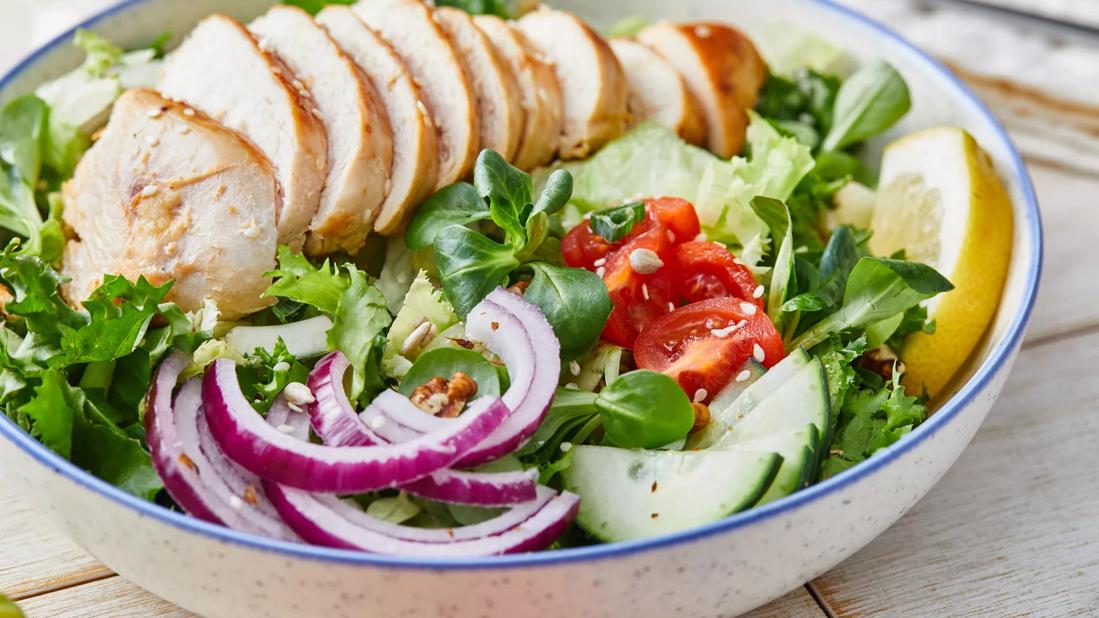

When you have multiple sclerosis, food can start to feel like one more thing on a very long to-do list: appointments, medications, fatigue management, exercise, sleep, stress, insurance paperwork, and somehow remembering where you put your keys. Again. But diet deserves a real place in the conversationnot because a salad can “cure” MS, and not because kale secretly owns a neurology degree, but because what you eat can influence energy, inflammation, bowel health, heart health, weight, mood, and your ability to function day to day.
Multiple sclerosis is a chronic condition in which the immune system affects the central nervous system, including the brain, spinal cord, and optic nerves. Because MS symptoms can include fatigue, mobility issues, bowel and bladder changes, pain, cognitive fog, and mood shifts, the body benefits from steady nutritional support. A thoughtful MS diet is not about perfection. It is about giving your nervous system, immune system, muscles, gut, and heart the best backup team possible.
The best diet for MS is usually not a trendy, extreme, or punishing plan. Most experts recommend a balanced, nutrient-dense eating pattern similar to the Mediterranean diet: plenty of vegetables, fruits, whole grains, beans, lentils, nuts, seeds, olive oil, fish, lean proteins, and fewer ultra-processed foods, added sugars, and saturated fats. In plain English: more food that looks like it came from the earth, less food that looks like it was assembled by a committee in a snack factory.
Diet Does Not Cure MS, But It Still Matters
Let’s clear the air immediately: there is no single proven diet that cures multiple sclerosis or replaces disease-modifying therapy. Anyone promising that a strict food plan can “reverse MS overnight” should be treated with the same suspicion you would give a raccoon selling vitamins out of a trench coat.
That said, diet still matters deeply. Healthy eating may help reduce risk factors that can worsen overall health, such as high blood pressure, high cholesterol, insulin resistance, constipation, excess weight, and cardiovascular disease. For someone living with MS, protecting general health is not a side quest. It is part of the main mission.
Food also affects daily comfort. A high-sugar breakfast may lead to an energy crash. A low-fiber diet may worsen constipation. Too little fluid can make bowel issues worse, even though many people with MS are understandably cautious about drinking more water because of bladder symptoms. Too much saturated fat and too many ultra-processed foods may leave the body feeling sluggish and undernourished. Diet is not magic, but it is a powerful lever.
How Food May Affect Inflammation and Brain Health
MS involves immune activity and inflammation in the central nervous system. Researchers are still studying exactly how diet may influence MS progression and symptoms, but several pathways are especially important: inflammation, oxidative stress, gut bacteria, metabolic health, and vascular health.
Foods rich in antioxidantssuch as berries, leafy greens, colorful vegetables, beans, herbs, and spiceshelp support the body’s defense against oxidative stress. Omega-3-rich fish, nuts, seeds, and olive oil provide healthier fats that fit well into an anti-inflammatory eating pattern. Whole grains and legumes provide fiber, which supports gut bacteria and steadier blood sugar. These foods do not act like prescription drugs, but they create a healthier internal environment.
On the other hand, a diet heavy in processed meats, sugary drinks, refined carbohydrates, fried foods, and packaged snacks can make it harder to maintain stable energy, healthy weight, and good cardiovascular markers. If the body is already dealing with MS, giving it a daily parade of soda, chips, and mystery nuggets is not exactly sending reinforcements.
The Mediterranean-Style Diet and MS
A Mediterranean-style diet is often recommended for people with MS because it is balanced, flexible, and supported by strong evidence for heart and metabolic health. It emphasizes vegetables, fruits, whole grains, legumes, fish, nuts, seeds, herbs, and olive oil. It limits red meat, processed meats, added sugars, and highly processed foods.
This eating pattern is useful because it does not require you to join a food cult or throw away everything in your pantry. It is more of a direction than a rigid rulebook. A Mediterranean-style MS meal might look like grilled salmon with roasted vegetables and brown rice, a lentil soup with whole-grain toast, Greek yogurt with berries and walnuts, or a chickpea salad with olive oil and lemon.
Simple Mediterranean-Style Plate Formula
For an easy visual guide, build your plate like this: half vegetables and fruit, one quarter lean protein, and one quarter whole grain or starchy vegetable. Add a small amount of healthy fat, such as olive oil, avocado, nuts, or seeds. This structure supports steady energy without making dinner feel like a math exam.
Key Nutrients That Deserve Attention
Fiber for Bowel Health and Blood Sugar Stability
Constipation is common in MS, and diet can play a practical role in managing it. Fiber helps add bulk to stool and supports more regular bowel movements. Good sources include oats, beans, lentils, berries, apples, pears, vegetables, chia seeds, flaxseed, and whole-grain breads or cereals.
Increase fiber gradually. Going from zero to bean-champion overnight may lead to bloating and a household emergency. Add fiber slowly and pair it with fluids, because fiber works best when water is part of the plan.
Vitamin D and Bone Health
Vitamin D is frequently discussed in relation to MS. Low vitamin D levels have been associated with MS risk and disease activity, although supplementation should be individualized. People with MS should talk with their healthcare team about testing vitamin D levels and choosing an appropriate dose if needed. More is not always better; vitamin D is fat-soluble, and excessive intake can cause problems.
Food sources include fortified milk or plant milks, fortified cereals, egg yolks, and fatty fish such as salmon and sardines. Sunlight can also help the body make vitamin D, but sun exposure depends on skin type, season, location, medications, and skin cancer risk.
Protein for Muscle and Recovery
Protein supports muscle maintenance, immune function, wound healing, and satiety. For people with MS who experience weakness or reduced mobility, preserving muscle is especially important. Good protein choices include fish, poultry, eggs, low-fat dairy, tofu, tempeh, beans, lentils, edamame, nuts, and seeds.
A practical tip: include protein at breakfast. A meal with only toast or sweet cereal may leave you hungry and foggy by midmorning. Try eggs with vegetables, Greek yogurt with fruit, oatmeal with nut butter, or a smoothie with protein-rich yogurt or soy milk.
Healthy Fats for Heart and Brain Support
The brain and nervous system rely on fats, but the type of fat matters. Unsaturated fats from olive oil, nuts, seeds, avocado, and fatty fish are generally better choices than saturated fats from high-fat processed meats, butter-heavy foods, and many fried items.
You do not need to fear fat. You need to choose it wisely. Olive oil on vegetables? Great. A deep-fried meal large enough to require architectural support? Maybe not your everyday MS wellness strategy.
Foods to Eat More Often
A helpful MS nutrition plan focuses more on what to add than what to forbid. Try to eat more:
- Colorful vegetables: spinach, kale, broccoli, carrots, peppers, squash, tomatoes, and cabbage.
- Fruits: berries, oranges, apples, pears, bananas, kiwi, peaches, and cherries.
- Whole grains: oats, brown rice, quinoa, barley, whole-wheat pasta, and whole-grain bread.
- Legumes: lentils, black beans, chickpeas, kidney beans, split peas, and soy foods.
- Lean proteins: fish, chicken, turkey, eggs, tofu, low-fat dairy, and beans.
- Healthy fats: olive oil, walnuts, almonds, chia seeds, flaxseed, pumpkin seeds, and avocado.
- Hydrating foods: soups, smoothies, cucumbers, melon, citrus fruits, and cooked vegetables.
Foods to Limit Without Becoming Miserable
Healthy eating with MS should not become a joyless courtroom where every cookie is found guilty. The goal is to limit foods that tend to crowd out nutrients or worsen energy swings. These include sugary drinks, frequent desserts, refined grains, highly processed snacks, processed meats, fast food, and foods high in saturated fat.
Notice the word “limit,” not “banish forever.” A birthday cupcake is not a neurological crisis. But if most meals come from a drive-thru window, your energy, digestion, and long-term health may pay the price.
What About Special MS Diets?
Many people with MS explore special diets, including low-fat diets, plant-based diets, paleo-style approaches, gluten-free diets, ketogenic diets, the Swank diet, or the Wahls protocol. Some people report feeling better on structured plans, especially if the plan helps them eat more vegetables, fewer processed foods, and less added sugar.
However, highly restrictive diets can also create problems. They may be difficult to maintain, socially isolating, expensive, or low in important nutrients. Cutting out entire food groups without medical need can increase the risk of deficiencies. If you want to try a specific diet, work with a registered dietitian nutritionist, preferably one familiar with MS or neurological conditions.
Diet and MS Fatigue
Fatigue is one of the most common and frustrating MS symptoms. While diet cannot erase MS fatigue, it can help reduce avoidable energy crashes. Start with steady meals. Skipping breakfast, grazing on sweets, and drinking caffeine like it is a personality trait may lead to a roller coaster of energy and brain fog.
Choose meals that combine protein, fiber-rich carbohydrates, and healthy fats. For example, oatmeal with berries and walnuts, turkey and avocado on whole-grain bread, lentil soup with salad, or salmon with sweet potato and green beans. These meals digest more slowly and may help keep energy more stable.
Hydration: The Tricky but Important Piece
Hydration can be complicated for people with MS, especially when bladder urgency is part of the picture. Some people drink less to avoid bathroom trips, but too little fluid can worsen constipation, headaches, fatigue, and concentration.
A practical approach is to spread fluids throughout the day instead of chugging large amounts at once. Water is ideal, but herbal tea, broth-based soups, fruits, and vegetables also contribute. If bladder symptoms are significant, ask your healthcare team for guidance rather than simply dehydrating yourself into misery.
A Simple One-Day MS-Friendly Meal Example
Breakfast
Greek yogurt with blueberries, ground flaxseed, and walnuts, plus a slice of whole-grain toast. This provides protein, fiber, antioxidants, and healthy fats.
Lunch
Quinoa bowl with chickpeas, cucumber, tomatoes, spinach, olive oil, lemon juice, and grilled chicken or tofu. It is colorful, filling, and easy to prepare ahead.
Snack
An apple with peanut butter or hummus with carrots. This is simple, portable, and less dramatic than arguing with a vending machine.
Dinner
Baked salmon, roasted sweet potatoes, and steamed broccoli with olive oil and herbs. This meal offers omega-3 fats, fiber, potassium, and satisfying flavor.
Practical Tips for Eating Well When MS Makes Cooking Hard
MS symptoms can make cooking challenging. Fatigue, numbness, heat sensitivity, weakness, vision changes, and cognitive fog can turn a “quick dinner” into a full adventure series. Make food easier on yourself.
- Use pre-washed greens, frozen vegetables, canned beans, rotisserie chicken, microwave brown rice, and pre-cut fruit.
- Batch cook when energy is better, then freeze portions for low-energy days.
- Keep healthy convenience foods available, such as tuna packets, hummus, yogurt, nuts, soup, and frozen berries.
- Sit while chopping or prepping food to conserve energy.
- Use lightweight cookware, jar openers, slow cookers, air fryers, or electric pressure cookers.
Good nutrition does not have to mean cooking everything from scratch while wearing an apron and humming peacefully. Sometimes it means opening a can of lentil soup, adding spinach, and calling it a win. That counts.
Supplements: Helpful, Risky, or Just Expensive?
Supplements can be useful when a deficiency exists, but they are not automatically safe or necessary. Vitamin D, vitamin B12, calcium, omega-3s, and other supplements may be appropriate for some people, depending on diet, lab results, medications, age, and health history.
Be cautious with supplements that claim to “boost the immune system.” MS already involves immune system dysfunction, and the goal is not to randomly press the immune system’s gas pedal. Always discuss supplements with your neurologist, primary care clinician, or dietitian, especially if you take disease-modifying therapy or other medications.
Working With a Dietitian Can Make Life Easier
A registered dietitian nutritionist can help turn broad advice into meals that fit your symptoms, culture, budget, cooking ability, and preferences. This matters because “eat more fish and vegetables” sounds simple until fatigue hits, grocery prices rise, your family rejects lentils, and your fridge contains one mysterious lime and half a bottle of mustard.
A dietitian can help with constipation, weight changes, swallowing issues, diabetes, cholesterol, high blood pressure, food intolerances, meal planning, and supplement questions. Personalized advice is especially valuable if you follow a vegetarian, vegan, gluten-free, dairy-free, or other specialized diet.
Experience-Based Lessons: What Eating Well With MS Can Look Like in Real Life
For many people living with MS, the biggest nutrition lesson is that food choices are not just about long-term health; they are about tomorrow morning. A heavy, salty, low-fiber dinner may not cause a dramatic problem right away, but the next day may bring sluggishness, constipation, thirst, and a general feeling of being wrapped in a wet blanket. On the other hand, a simple dinner with vegetables, protein, whole grains, and enough fluid can make the next day feel more manageable.
One common experience is learning that breakfast matters. Some people with MS notice that skipping breakfast makes fatigue and brain fog worse by late morning. A sugary breakfast can create the same problem in a different costume. A steadier option, such as eggs with spinach, oatmeal with nuts, or yogurt with berries, may help support energy for appointments, work, errands, or physical therapy.
Another real-world challenge is cooking during fatigue. The best MS meal plan is useless if it requires two hours of chopping on a day when standing feels like a competitive sport. Many people do better with “assembly meals”: a bagged salad plus canned salmon, frozen vegetables plus microwavable brown rice, canned beans plus salsa and avocado, or a smoothie with fruit, spinach, and protein. These meals are not fancy, but neither is fatigue. Practical beats perfect.
Social situations can also be tricky. Restaurant meals are often salty, large, and low in vegetables. A helpful strategy is to scan the menu for grilled proteins, vegetable sides, broth-based soups, salads with dressing on the side, or bowls that include beans and whole grains. You do not have to announce, “I am making an anti-inflammatory choice for my central nervous system,” unless you enjoy dramatic dinner conversation. You can simply order what helps you feel better.
Hydration is another learned skill. People with bladder urgency may avoid water before leaving home, but dehydration can worsen constipation and fatigue. Some find it helpful to drink more earlier in the day, sip instead of gulp, and plan bathroom access when going out. It is not glamorous, but neither is pretending your colon is not part of the MS management team.
The emotional side matters too. After an MS diagnosis, food can become loaded with pressure. People may feel guilty for eating dessert or anxious about choosing the “wrong” diet. A healthier mindset is to treat nutrition as support, not punishment. One meal will not define your MS journey. Consistent patterns matter more than occasional treats.
The most sustainable experience is usually built on small wins: adding a vegetable to lunch, keeping nuts in the pantry, choosing water more often, cooking extra soup for the freezer, or replacing one fast-food meal with a quick grain bowl. Over time, these choices become less like a diet and more like a rhythm. MS may be unpredictable, but your meals can become one dependable way to care for yourself.
Conclusion: Food Is Not a Cure, But It Is Care
Diet matters when you have MS because your body is doing demanding work every day. A balanced, Mediterranean-style eating pattern can support energy, digestion, heart health, bone health, muscle maintenance, and overall well-being. It may also help reduce the burden of other health conditions that can complicate life with MS.
The goal is not to eat perfectly. The goal is to eat in a way that supports your real life. Choose more colorful plants, more fiber, more lean protein, more healthy fats, and fewer ultra-processed foods. Stay hydrated, be cautious with supplements, and ask for professional help when needed. Most importantly, remember that food is one tool in your MS care plannot the whole toolbox, but a very useful wrench.