
Note: This article is written for web publishing and based on real, current guidance from U.S. paint brands, home-improvement retailers, design publications, and indoor-air-quality resources. No external source links are embedded in the article body.
Eggshell paint is the quiet overachiever of interior design. It does not shout like high-gloss lacquer, it does not disappear completely like flat paint, and it does not demand a velvet rope around your living room. Instead, eggshell finish shows up with a soft glow, a little durability, and just enough polish to make walls look thoughtfully finished rather than accidentally unfinished. In other words, it is the “I woke up like this” of paint sheens.
If you are planning a room refresh, repainting a rental, staging a home, or trying to make your hallway survive backpacks, fingerprints, and mysterious wall smudges, eggshell paint deserves a serious look. This handbook explains what eggshell paint is, where it works best, where it does not, how to apply it, how to clean it, and how to use it for chic interiors without turning your walls into a shiny disco ball.
What Is Eggshell Paint?
Eggshell paint is an interior paint finish with a low, soft sheen. The name comes from the subtle luster of an actual eggshell: not matte, not glossy, but gently reflective. On the paint-sheen spectrum, eggshell usually sits between flat or matte paint and satin paint. That middle-ground position is exactly why homeowners, designers, painters, and DIY weekend warriors reach for it again and again.
The main appeal is balance. Eggshell paint reflects more light than flat paint, so colors can feel richer and walls can look more finished. At the same time, it is less reflective than satin, semi-gloss, or gloss, so it does not highlight every drywall ripple, sanding mark, or “whoops, that patch looked smoother yesterday” moment.
Why Eggshell Paint Is So Popular for Interiors
Eggshell paint has become one of the most popular wall finishes because it gives rooms a refined look without being fussy. It works especially well in spaces where you want warmth, softness, and practical cleanability. Think living rooms, bedrooms, dining rooms, hallways, home offices, finished basements, guest rooms, and family rooms that see normal daily life but not constant splashing, steam, or heavy scrubbing.
It Adds a Soft, Chic Glow
Flat paint can look beautiful and velvety, but in some rooms it may feel a little too chalky or fragile. Eggshell adds a faint glow that makes walls feel more intentional. In natural light, it can bring out depth in creamy whites, warm greiges, muted blues, olive greens, dusty roses, and charcoal tones. Under lamps, it gives walls a cozy, lightly polished finish without glare.
It Is Easier to Clean Than Flat Paint
Eggshell is generally more washable than flat paint. That does not mean you should attack it with a scrub brush like you are cleaning a grill grate. But for light scuffs, fingerprints, dust, and everyday marks, eggshell usually responds better to gentle cleaning than a true flat finish.
It Hides Flaws Better Than Shinier Finishes
The shinier the paint, the more light it reflects. More reflected light can mean more visible imperfections. Satin, semi-gloss, and gloss finishes can reveal bumps, dents, seams, and uneven textures. Eggshell is forgiving enough for real-world walls, especially in older homes where “perfectly smooth drywall” is more of a dream than a building condition.
Eggshell vs. Flat, Matte, Satin, and Semi-Gloss
Choosing paint sheen is not about picking the “best” finish in the universe. It is about choosing the right finish for the room, surface, lighting, and amount of abuse your walls will endure. Paint does not judge, but it does remember every sticky handprint.
Eggshell vs. Flat Paint
Flat paint has very little shine and is excellent at hiding wall imperfections. It can be gorgeous on ceilings, formal rooms, and low-traffic areas. However, flat paint is usually harder to clean. Eggshell offers a bit more durability and washability while still keeping a soft, low-sheen appearance. If your walls need to survive daily life, eggshell is often the more practical choice.
Eggshell vs. Matte Paint
Matte paint is slightly more refined than traditional flat paint and can be washable depending on the formula. Premium matte paints have become much better in recent years. Still, eggshell usually gives a touch more sheen and a more wipeable surface. For bedrooms, either matte or eggshell can work beautifully. For living rooms and hallways, eggshell often offers a safer blend of style and function.
Eggshell vs. Satin Paint
Satin has more shine than eggshell and is generally more resistant to moisture and frequent cleaning. That makes satin a popular choice for kids’ rooms, bathrooms, kitchens, laundry rooms, and high-traffic spaces. The tradeoff is that satin can show surface flaws more easily. Eggshell is better when you want a softer, calmer finish and your walls do not need constant scrubbing.
Eggshell vs. Semi-Gloss Paint
Semi-gloss is shinier, tougher, and easier to clean. It is a classic choice for trim, doors, baseboards, cabinets, and moisture-prone areas. On full walls, however, semi-gloss can look intense and highlight imperfections. A chic combination is eggshell on walls with semi-gloss on trim. The contrast gives a room architectural definition without making the walls look like they are wearing lip gloss.
Best Rooms for Eggshell Paint
Eggshell paint is versatile, but it is not a one-size-fits-every-surface solution. Use it where you want elegance, moderate durability, and easygoing maintenance.
Living Rooms
Living rooms are prime eggshell territory. The finish looks polished enough for entertaining but relaxed enough for movie nights, snack trays, and that one friend who always gestures with a full cup of coffee. Eggshell works beautifully with warm neutrals, soft whites, earthy greens, smoky blues, and cozy taupes.
Bedrooms
Eggshell can make a bedroom feel calm and complete. It is especially helpful if you want a little more durability than matte paint without creating glare behind lamps or near windows. For a serene look, pair eggshell walls with matte ceilings and satin or semi-gloss trim.
Dining Rooms
Dining rooms love eggshell because it reflects candlelight and pendant lighting gently. Deep colors such as navy, plum, forest green, wine red, and espresso brown can look rich in eggshell without becoming overly glossy. Add brass fixtures or warm wood furniture, and suddenly dinner feels more “boutique restaurant” and less “we forgot to fold laundry.”
Hallways and Entryways
Hallways and entryways collect fingerprints, bag scuffs, shoe marks, and tiny mysteries. Eggshell can work well here, especially if traffic is moderate. For extremely busy households, satin may be more durable, but eggshell remains a strong choice when you want a softer look.
Home Offices
Eggshell is excellent for home offices because it keeps walls from feeling flat while avoiding distracting shine. Muted green, warm white, pale gray-blue, mushroom beige, and soft clay tones can create a focused background for video calls and long work sessions.
Where Eggshell Paint May Not Be the Best Choice
Eggshell is talented, but it is not a superhero. In bathrooms with heavy humidity, kitchens with grease and splatter, mudrooms, playrooms, and laundry rooms, satin or semi-gloss may be smarter. These finishes generally tolerate moisture and frequent wiping better.
Eggshell is also not ideal for trim, cabinets, doors, or furniture that gets touched constantly. For those surfaces, satin, semi-gloss, or gloss usually performs better. If you paint kitchen cabinets in eggshell, they may look lovely for about five minutesright before real life introduces oil, fingerprints, and cabinet-door drama.
How Eggshell Paint Changes Color
Paint sheen affects how color appears. Eggshell reflects a little light, so it can make colors look slightly more vibrant than flat paint. A soft beige may feel warmer, a blue may look deeper, and a dark green may gain a subtle richness. However, the effect depends on the room’s lighting.
Before committing, test your color in the exact eggshell finish you plan to use. Paint a sample board or a large patch on the wall, then view it in morning light, afternoon light, and evening artificial light. A color that looks “quiet luxury” at noon can turn “haunted oatmeal” by 9 p.m. Testing saves money, time, and emotional damage.
Surface Prep: The Secret to a Chic Eggshell Finish
Eggshell is forgiving, but it still needs proper prep. Because it has a slight sheen, uneven patches, dust, and roller marks can become visible if you rush. A smooth, clean surface makes the finish look more expensive, even if the paint came from a weekend sale.
Clean the Walls
Remove dust, cobwebs, grease, and fingerprints before painting. Use a mild cleaner and let the wall dry completely. Paint does not bond well to dirt, and unfortunately, “painting over the problem” is not a personality trait that works on walls.
Patch and Sand
Fill nail holes, dents, and cracks with spackle or joint compound. Once dry, sand smooth and wipe away dust. Shine a light across the wall to catch imperfections before painting. This step is not glamorous, but it is where beautiful walls are born.
Prime When Needed
Use primer when painting over dark colors, stains, glossy surfaces, new drywall, patched areas, or dramatic color changes. Primer helps create an even base, improves adhesion, and can reduce the number of finish coats needed. For the cleanest result, choose a primer recommended for your wall condition and paint type.
How to Apply Eggshell Paint Like a Pro
Great eggshell paint application comes down to patience, steady technique, and not overworking the paint. Once the paint begins to set, repeatedly rolling over it can create texture and uneven sheen.
Use the Right Tools
For most smooth or lightly textured walls, a high-quality synthetic brush and a medium-nap roller are good choices. A 3/8-inch nap roller is commonly used for smooth interior walls, while rougher textures may need a thicker nap. Cheap rollers can shed fibers and leave lint in the finish, which is a fun surprise only if you enjoy furry walls.
Cut In First
Use a brush to paint edges, corners, trim lines, and areas around outlets. Work in manageable sections so the brushed areas stay wet when you roll nearby. This helps blend the finish and reduce visible lines.
Roll With a Wet Edge
Roll paint in overlapping passes, working from top to bottom. Keep a wet edge and avoid pressing too hard. Heavy pressure can create roller marks, uneven texture, and thin spots. Let the roller do the work. It has one job.
Apply Two Coats
Even if a paint advertises strong coverage, two coats often create a more even, durable, professional-looking finish. Follow the manufacturer’s drying and recoating times. Temperature, humidity, ventilation, and darker colors can affect drying.
Cleaning and Maintaining Eggshell Walls
Eggshell walls are cleanable, but they should be treated gently. After painting, allow the finish to cure before washing. Paint may feel dry within hours, but full curing can take much longer depending on the formula and conditions.
For routine cleaning, dust walls with a microfiber cloth or soft duster. For marks, use a damp cloth with mild soap and water. Blot or wipe gently instead of scrubbing aggressively. Always test cleaners in a hidden spot first. Avoid abrasive pads, harsh chemicals, and enthusiastic over-cleaning. Your wall is not a frying pan.
Design Ideas for Eggstraordinary Chic Interiors
Eggshell paint is not just practical; it is also a powerful design tool. Its subtle glow can make rooms feel layered, cozy, and quietly expensive.
Use Eggshell for Color-Drenched Rooms
Color drenching means painting walls, built-ins, and sometimes ceilings in the same or related color. Eggshell walls can make this look sophisticated rather than heavy. For best results, vary the sheen: eggshell on walls, matte on ceilings, and satin or semi-gloss on trim or doors.
Pair Eggshell Walls With Glossy Accents
Eggshell looks elegant beside shinier surfaces. Try eggshell walls with semi-gloss trim, lacquered furniture, polished brass, ceramic lamps, or framed art behind glass. The contrast makes the walls feel softer and the accents feel sharper.
Try Warm Neutrals
Warm whites, oatmeal beige, mushroom, limestone, greige, and pale taupe are excellent eggshell colors. The finish gives them enough dimension to avoid looking dull. These shades work especially well in open-plan homes because they flow easily from room to room.
Go Moody Without Going Glossy
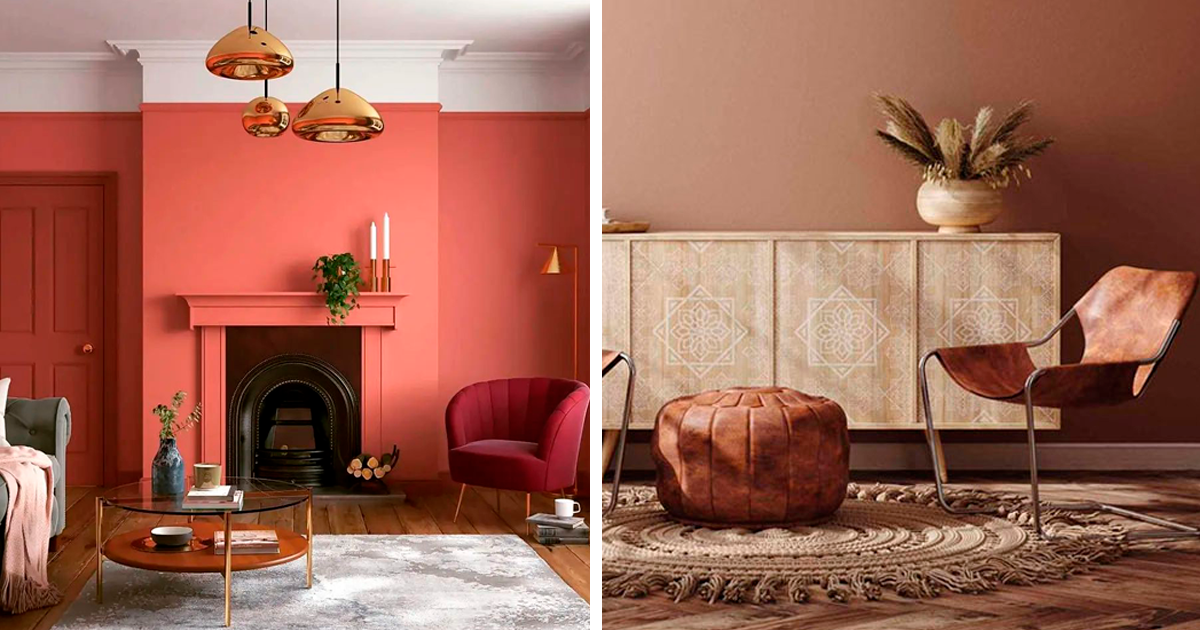
Dark eggshell walls can be stunning. Try deep olive, oxblood, navy, charcoal, chocolate brown, or smoky aubergine in a dining room, library, powder-adjacent hallway, or bedroom. Eggshell gives dark colors a soft glow without turning every wall flaw into a spotlight event.
Common Eggshell Paint Mistakes to Avoid
The first mistake is using eggshell everywhere. It may be versatile, but bathrooms, kitchens, trim, and cabinets often need tougher finishes. The second mistake is skipping prep. Eggshell hides some imperfections, but not dust mountains, bad patches, or old tape lines.
The third mistake is mixing brands or sheens mid-project. One company’s eggshell can look slightly different from another company’s eggshell. If you need more paint, buy the same product line, sheen, and color formula whenever possible. The fourth mistake is touching up small spots on older eggshell walls and expecting invisibility. Because sheen changes over time, touch-ups can flash. Sometimes repainting the whole wall gives a cleaner result.
Real-Life Experience: What Eggshell Paint Teaches You After the Roller Comes Out
The first thing you learn from using eggshell paint is that walls have secrets. In the hardware store, the paint chip looks calm, confident, and perfectly behaved. At home, once the first coat goes up, the wall suddenly reveals every tiny bump, patched nail hole, and ancient roller mark from a previous paint job. Eggshell will not expose flaws as dramatically as satin or semi-gloss, but it does have enough sheen to remind you that prep work matters. The lesson is simple: spend more time cleaning, patching, and sanding than you think you need. Your future self will be much less dramatic.
The second lesson is that lighting controls everything. A warm white eggshell paint in a sunny living room can look creamy and elegant in the morning, balanced in the afternoon, and slightly golden at night. A gray eggshell paint can look tailored in one room and chilly in another. This is why large samples are so important. Paint at least two sample areas, or better yet, use movable sample boards. Check them beside furniture, flooring, curtains, and trim. Eggshell has enough reflection to interact with surrounding colors, so the sofa, rug, and even trees outside the window can influence what you see.
Another experience worth sharing: eggshell is wonderful for homes that are actually lived in. In a living room, it handles normal fingerprints better than flat paint. In a hallway, it can recover from light scuffs with gentle wiping. In a bedroom, it looks soft and peaceful without feeling chalky. However, it is not magic armor. If a chair scrapes the wall every day, if a dog shakes off rain next to the entry, or if kids use the hallway like a sport not yet recognized by the Olympics, satin may be a better choice.
Eggshell also teaches patience. The first coat may look uneven, especially over a patched wall or a strong previous color. Do not panic. Do not start attacking random areas with the roller. Let it dry, then apply the second coat evenly. Many eggshell finishes look dramatically better after coat two. The wall goes from “Did I make a mistake?” to “Please admire my tasteful choices.”
Finally, eggshell paint rewards restraint. It looks best when paired with thoughtful contrasts: matte ceilings, slightly glossier trim, natural wood, woven textures, linen curtains, stone surfaces, or metal accents. It does not need to be the loudest feature in the room. Its job is to make the whole space feel finished, warm, and quietly pulled together. When chosen well and applied carefully, eggshell paint gives interiors that polished-but-relaxed look people lovethe kind of chic that does not announce itself, but somehow makes everyone ask, “Wait, did you redo this whole room?”
Conclusion
Eggshell paint is one of the smartest choices for chic interiors because it sits beautifully between style and practicality. It is softer than satin, more washable than flat, and elegant enough for living rooms, bedrooms, dining rooms, hallways, and home offices. The key is using it in the right places, preparing walls carefully, testing colors in real lighting, and cleaning the finish gently once it has cured.
For homeowners who want polished walls without high shine, eggshell paint is a dependable favorite. It brings warmth, depth, and subtle sophistication to interiors while still standing up to everyday life. No, it will not make your house clean itself. But it can make your rooms look calmer, richer, and more intentionally designedand honestly, that is pretty eggstraordinary.