
Some homes whisper, “Welcome back, take your shoes off, breathe.” Others shout, “Why is there a sock in the fruit bowl and why does this room smell like Tuesday?” If you have ever walked through your front door and instantly felt irritated, tired, foggy, or mysteriously annoyed by the innocent existence of a throw pillow, your home may be playing a bigger role in your mood than you think.
The idea that your home environment affects your emotions is not fluffy design nonsense. It is connected to indoor air quality, natural light, clutter, noise, temperature, sleep, ergonomics, and even how much control you feel over your space. Americans spend a huge amount of time indoors, so the spaces we live in are not just backdrops. They are daily mood machines. Some are beautifully tuned. Others need a screwdriver, a window, and perhaps a stern conversation with the junk drawer.
This article explores how your home may be making you grumpy, what signs to look for, and how to make your space calmer, healthier, and more human-friendly without turning your living room into a sterile showroom where nobody is allowed to eat chips.
How Your Home Environment Affects Your Mood
Your home sends constant signals to your brain. Bright morning light can tell your body it is time to wake up. A dark, messy room can make your mind feel as if it has 47 browser tabs open and one of them is playing music. A noisy street, stale air, poor sleep setup, or uncomfortable chair can quietly drain your patience before breakfast.
The problem is that many mood triggers at home are sneaky. You may not notice the buzzing light fixture, the dusty bedroom, the chair that turns your spine into a question mark, or the kitchen counter buried under mail. But your body notices. Your brain notices. Your mood keeps the receipt.
1. Clutter: The Silent CEO of Irritation
Clutter is not just “stuff.” It is unfinished decisions. A pile of laundry says, “Deal with me.” A stack of unopened mail says, “There may be a bill in here, good luck.” A crowded kitchen counter says, “Cooking tonight will require excavation equipment.”
Research in psychology has linked cluttered living and working spaces with stress and anxiety. The reason is simple: your brain is always scanning your surroundings. When every surface is crowded, your mind receives constant visual reminders of tasks, obligations, and missing scissors. This can make it harder to relax, focus, or feel fully at home.
What to do instead
Do not start by declaring war on the entire house. That is how people end up sitting on the floor at midnight surrounded by old phone chargers and existential regret. Start with one “mood zone.” Choose a place you see often, such as the nightstand, entryway, bathroom counter, or kitchen island.
- Clear one surface completely.
- Return only the items you use every day.
- Give everything else a real home, not a vague “I’ll put it here for now” pile.
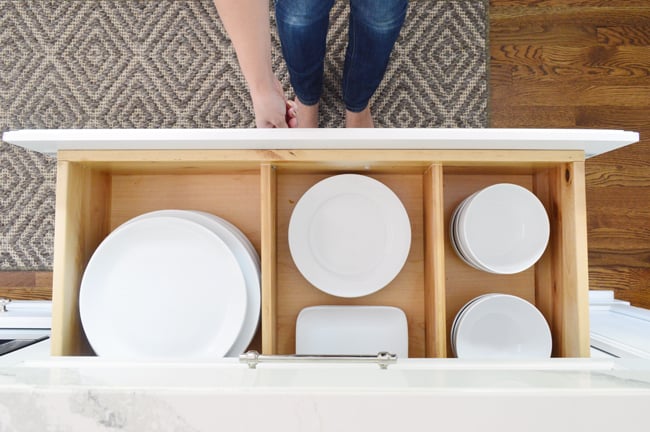
- Use trays, baskets, hooks, or drawer dividers to reduce visual noise.
A tidy home does not need to look like a magazine. It needs to stop yelling at you.
2. Poor Indoor Air Quality: The Grumpiness You Breathe
If your home feels stuffy, dusty, musty, or chemically scented, your mood may be reacting to more than aesthetics. Indoor air can contain pollutants from cooking, cleaning products, paint, furniture, candles, gas appliances, dust, mold, pet dander, and outdoor pollution that sneaks inside like an uninvited raccoon.
Poor indoor air quality can contribute to headaches, fatigue, irritated eyes, coughing, allergy symptoms, and general “why do I feel blah?” energy. When your body is uncomfortable, your patience gets shorter. Suddenly the dishwasher loading technique of another household member becomes a personal attack.
Simple ways to improve indoor air
- Open windows when outdoor air quality is good.
- Use kitchen and bathroom exhaust fans.
- Replace HVAC filters regularly.
- Vacuum with a good filter, especially if you have pets.
- Choose low-VOC paints, cleaners, and furnishings when possible.
- Test for radon if recommended in your area.
- Install carbon monoxide detectors near sleeping areas.
Also, be careful with the “fresh scent” trap. A room that smells like artificial waterfall-citrus-unicorn mist is not automatically clean. Sometimes fragrance simply adds more chemicals to the air. Clean should smell like almost nothing, which is less glamorous but much kinder to your lungs.
3. Mold and Dampness: When Your House Gets Moody First
A damp home can feel heavy, stale, and unpleasant. More importantly, moisture encourages mold growth, and mold exposure can cause symptoms for some people, including stuffy nose, wheezing, itchy eyes, coughing, or worsened asthma. Even if you are not highly sensitive, a damp smell can make a home feel neglected and emotionally draining.
Common trouble spots include bathrooms without ventilation, basements, window frames, under sinks, around washing machines, and anywhere a roof or plumbing leak has quietly decided to become a lifestyle.
Moisture fixes that matter
Fix leaks quickly. Run bathroom fans during and after showers. Use a dehumidifier in damp areas. Keep gutters clear so water moves away from the house. Do not ignore condensation on windows. And if mold covers a large area or keeps returning, consider professional help. Mold is not a design feature, even if it appears to be developing its own personality.
4. Bad Lighting: The Villain Wearing a Lampshade
Light affects circadian rhythm, sleep, alertness, and mood. Bright daytime light, especially morning light, helps your body understand that the day has started. Dim days and dark rooms can leave you feeling sluggish. On the other hand, too much bright light at night, especially from screens, can make it harder to wind down.
Many homes have lighting that is either too harsh or too gloomy. Overhead lights can make a room feel like a dentist’s office with throw blankets. Too little light can make even a clean room feel sad and cave-like. The goal is layered lighting: daylight when possible, task lighting where needed, and warm, softer light in the evening.
Lighting upgrades for a better mood
- Open curtains early in the day.
- Move your desk or breakfast spot closer to natural light.
- Use lamps instead of relying only on ceiling lights.
- Choose warmer bulbs for evening spaces.
- Dim lights one hour before bed.
- Keep screens out of your face right before sleep whenever possible.
A room does not need expensive fixtures to feel better. Sometimes one good lamp can do more for your mood than a cart full of decorative objects with names like “artisan ceramic orb.”
5. Noise: The Invisible Clutter
Noise is clutter you cannot see. Traffic, barking dogs, loud appliances, upstairs footsteps, humming electronics, and constant television background noise can keep your nervous system on alert. Even low-level noise can make it harder to concentrate or relax, especially if you are already stressed.
Nighttime noise is especially damaging because it can disrupt sleep. And poor sleep is practically a grumpiness subscription plan. You wake up tired, your patience shrinks, and suddenly the toaster is “too aggressive.”
How to reduce noise stress at home
- Add rugs, curtains, and soft furnishings to absorb sound.
- Use weatherstripping around doors and windows.
- Place noisy appliances away from rest areas if possible.
- Try a white-noise machine or fan in the bedroom.
- Create quiet hours for shared spaces.
- Use soft-close pads on cabinets and doors.
If you live in a noisy neighborhood, you may not be able to silence the world. But you can create pockets of calm. Your nervous system deserves at least one room that does not sound like a forklift arguing with a blender.
6. Your Bedroom May Be Sabotaging Your Personality
Sleep affects emotional regulation, concentration, appetite, patience, and overall health. A poor bedroom setup can make sleep harder without you realizing it. Too much light, too much noise, an uncomfortable mattress, a hot room, clutter near the bed, or scrolling endlessly under the covers can all interfere with rest.
A restful bedroom does not have to be fancy. It should be cool, dark, quiet, comfortable, and boring in the best possible way. Bedrooms are not meant to be command centers, snack warehouses, laundry museums, or offices with pillows.
Bedroom mood reset
- Keep the room cool and well ventilated.
- Use blackout curtains or an eye mask if light is a problem.
- Charge your phone away from the bed.
- Clear the nightstand.
- Wash bedding regularly.
- Keep work materials out of sight at night.
Think of your bedroom as a landing pad for your nervous system. If the landing pad is covered in receipts, laptops, laundry, and mystery cups, do not be shocked when your brain refuses to land gracefully.
7. Uncomfortable Furniture: The Chair That Ruined Your Day
Many people now work, study, pay bills, scroll, and occasionally panic-email from home. If your chair, desk, monitor, or couch forces awkward posture, your body may respond with stiffness, neck pain, back pain, eye strain, and fatigue. Physical discomfort can easily become emotional irritability.
Ergonomics sounds like a corporate training video, but at home it means one thing: stop making your body fight the furniture.
Home office improvements that help
- Keep your feet flat on the floor or on a footrest.
- Place your screen at eye level.
- Keep elbows relaxed and close to the body.
- Use a chair that supports your lower back.
- Take movement breaks every 30 to 60 minutes.
- Avoid working from bed unless absolutely necessary.
Your body is not being dramatic. It is simply objecting to being folded like a beach chair for eight hours.
8. Color, Texture, and Visual Overload
Color psychology is not magic, and no paint swatch can solve every emotional problem. Still, color, texture, and visual rhythm can influence how a room feels. Bright reds, intense patterns, harsh contrast, and chaotic décor may feel energizing to some people and overstimulating to others. Softer colors, natural textures, and calmer layouts can make a room feel more peaceful.
The key is not to follow a universal rule. The key is to notice your response. Does your living room make you feel rested or restless? Does your bedroom feel cozy or crowded? Does your office feel focused or like a printer exploded in a stationery store?
Design for emotional comfort
Choose a simple color palette for rooms where you want calm. Use stronger colors in smaller doses: pillows, artwork, flowers, or one accent wall. Add texture through blankets, wood, linen, plants, baskets, or rugs. A room with warmth and softness often feels more welcoming than a room filled with shiny surfaces and furniture that looks afraid of humans.
9. Lack of Nature: When Your Home Feels Too Artificial
Nature supports mood, stress reduction, and mental clarity. You do not need a forest in your foyer, although that would certainly make delivery drivers talk. Even small natural elements can help a home feel more alive: houseplants, fresh herbs, natural light, wood textures, stone, water sounds, views of trees, or a tiny balcony garden.
Houseplants are not a complete air-purification system, despite what enthusiastic plant labels may imply. But they can improve the feel of a room, add visual calm, and create small routines of care. Watering a plant is a tiny act of order in a chaotic world. Unless you forget for six weeks. Then it becomes a tiny act of plant hospice.
Easy nature upgrades
- Place one low-maintenance plant where you see it daily.
- Grow herbs near a sunny kitchen window.
- Use natural materials such as wood, cotton, jute, or clay.
- Keep windows clean to maximize outdoor views.
- Spend a few minutes outside each morning when possible.
10. Household Friction: When the Layout Starts Fights
Sometimes the house itself creates conflict. There is no place to drop bags, so the entryway becomes a shoe avalanche. The kitchen has poor storage, so everyone leaves items on the counter. The living room has one good seat, and family members silently compete for it like medieval nobles. A bad layout can turn normal routines into daily irritations.
Design should support behavior. If nobody hangs coats in the hallway closet, maybe the closet is too far away, too full, or guarded by a vacuum cleaner. Add hooks near the door. If mail always lands on the counter, create a mail tray. If shoes pile up, use a basket. Do not design for the imaginary version of yourself who alphabetizes spices at sunrise. Design for the real version who enters the house carrying groceries, keys, phone, and emotional baggage.
11. Too Many Unfinished Projects
A half-painted wall, broken drawer, missing cabinet knob, flickering bulb, or box labeled “sort later” can drain your mood because it represents unresolved work. One unfinished project is manageable. Ten unfinished projects turn the house into a museum of good intentions.
Make a “tiny repairs” list and choose one task per week. Replace the bulb. Tighten the handle. Patch the wall. Donate the box. Each small completion gives your brain a little relief. Your home starts to feel less like a nagging roommate and more like a supportive place again.
12. The Home Mood Audit: A Simple Room-by-Room Check
To figure out whether your home is making you grumpy, walk through each room and ask five questions:
- Does this room feel clean, stale, damp, dusty, or fresh?
- Is the lighting appropriate for what I do here?
- Is there clutter that constantly reminds me of unfinished tasks?
- Is the room physically comfortable?
- What is one small change that would make this space easier to use?
Do not judge the room by internet standards. Judge it by your nervous system. A useful home is better than a perfect home. A peaceful home is better than a photogenic one. Nobody ever achieved emotional wellness by owning 11 decorative wooden beads.
Practical 7-Day Plan to Make Your Home Less Grumpy
Day 1: Clear one visible surface
Pick a counter, nightstand, desk, or table. Remove everything. Put back only what belongs there.
Day 2: Improve the air
Replace a filter, open windows if air quality is good, clean a vent, or run an exhaust fan while cooking.
Day 3: Fix one light problem
Add a lamp, replace a harsh bulb, open curtains, or reduce evening screen brightness.
Day 4: Create a sleep-friendly bedroom
Clear the nightstand, wash bedding, reduce light, and remove work clutter from view.
Day 5: Reduce one noise source
Add felt pads, tighten a rattling vent, use a rug, or set quiet hours.
Day 6: Make one ergonomic improvement
Raise your screen, support your lower back, move your keyboard, or take scheduled stretch breaks.
Day 7: Add one calming detail
Bring in a plant, a soft blanket, a clean scent-free candle, framed art, or a basket that finally controls the remote-control migration.
Real-Life Experiences: When a Home Slowly Turns Into a Mood Thief
Most people do not wake up one morning and announce, “My house has become emotionally suspicious.” It happens slowly. One busy week turns into a cluttered entryway. A few late nights turn the bedroom into an office. A leaky window becomes a musty corner. The dining table becomes a document processing center, snack station, homework island, and laundry annex. Nobody planned this. The house simply absorbed life until life had nowhere comfortable to sit.
One common experience is the “after-work crash.” You come home already tired, open the door, and see shoes scattered across the floor, dishes in the sink, dim lighting, and a package you meant to return three weeks ago. Nothing is catastrophic, but everything is asking for attention. Instead of feeling relief, you feel accused. The house becomes a to-do list with walls.
Another familiar scenario is the bedroom that no longer feels restful. Many people keep laundry baskets, laptops, exercise equipment, books, chargers, and random “temporary” items in the bedroom. The room technically contains a bed, but emotionally it functions like a storage unit with pillows. At night, the brain looks around and sees tasks. In the morning, the same room offers no freshness, no light, and no sense of reset. The person wakes up already irritated, then blames coffee, work, traffic, or the weather. Sometimes the real villain is the pile of clean laundry that has been living on the chair long enough to establish residency.
Home offices are another mood trap. A dining chair may be fine for one email, but after months of remote work it can become a medieval device with upholstery. Neck strain, eye fatigue, and back discomfort do not always feel like “pain” at first. They feel like impatience. You snap faster. You avoid tasks. You feel drained before the work is done. Adjusting the screen height, improving the chair, and taking movement breaks can make the workday feel less hostile.
Air quality is often noticed only after improvement. People get used to stale rooms, dusty vents, pet dander, strong cleaning smells, or damp basements. Then they clean filters, ventilate better, reduce fragrance, or fix moisture problems, and suddenly the home feels lighter. The change can be surprisingly emotional. Breathing easier often means living easier.
Lighting changes can feel equally dramatic. A dark kitchen in the morning can make the whole day start in a minor key. Opening blinds, cleaning windows, or adding under-cabinet lighting can make routine tasks feel less gloomy. In the evening, swapping harsh overhead lighting for lamps can help the household shift from “emergency room energy” to “humans live here peacefully.”
The biggest lesson from these experiences is that grumpiness at home is not always a personality flaw. Sometimes it is environmental feedback. Your irritation may be pointing to friction: too much stuff, too little light, poor sleep, stale air, uncomfortable furniture, constant noise, or routines that no longer fit your life. When you change the environment, you often change the emotional weather inside it.
Conclusion: Your Home Should Help You Recover, Not Recharge Your Stress
Your home does not have to be perfect to support your mood. It does not need designer furniture, a color-coded pantry, or a sofa nobody is allowed to sit on. It needs to be breathable, usable, restful, and honest about how you actually live.
If your home is making you grumpy, start small. Clear one surface. Improve one light source. Fix one air problem. Make the bedroom calmer. Create one quiet corner. Repair the thing that annoys you every day. These changes may seem simple, but simple is powerful when repeated.
A happier home is not a showroom. It is a space that reduces friction, supports health, and gives your nervous system permission to unclench. And if your house still feels grumpy after that, check the junk drawer. There is probably something in there plotting.