
Puffy eyelids have a special talent for showing up at the worst possible time: before a meeting, before photos, or right after you promised yourself you would “start looking well-rested.” The good news is that most eyelid puffiness is temporary and responds well to simple changes like cold compresses, better sleep, allergy care, and gentle eyelid hygiene. The less glamorous news is that eyelids are delicate little drama queens. They can swell from salt, crying, allergies, infection, irritation, makeup, contact lenses, clogged oil glands, sinus congestion, and even sleeping face-down like a peaceful but puffy starfish.
This guide explains 18 ways to get rid of puffy eyelids, plus how to tell when swelling may need medical attention. It is written for everyday readers who want practical, safe, and realistic advicenot a cabinet full of mystery creams or a freezer full of cucumbers pretending to be medicine.
Note: This article is for general education and should not replace medical advice. Seek urgent care if eyelid swelling comes with vision changes, severe pain, fever, eye injury, trouble moving the eye, bulging of the eye, or rapidly worsening redness.
What Causes Puffy Eyelids?
Puffy eyelids happen when fluid builds up in the thin tissues around the eyes or when the eyelids become inflamed. Because eyelid skin is thinner than most skin on the body, even a small amount of fluid can look dramatic. One salty dinner can make your lids look like they applied for their own ZIP code.
Common causes include lack of sleep, allergies, crying, dehydration, high sodium intake, sinus congestion, eye strain, contact lens irritation, makeup residue, blepharitis, styes, chalazia, pink eye, eczema, dermatitis, and aging. Sometimes, puffiness is mostly cosmetic. Other times, especially when swelling is painful, red, one-sided, or linked with discharge, it may point to an infection or another condition that needs treatment.
18 Ways to Get Rid of Puffy Eyelids
1. Use a Cold Compress for Quick Relief
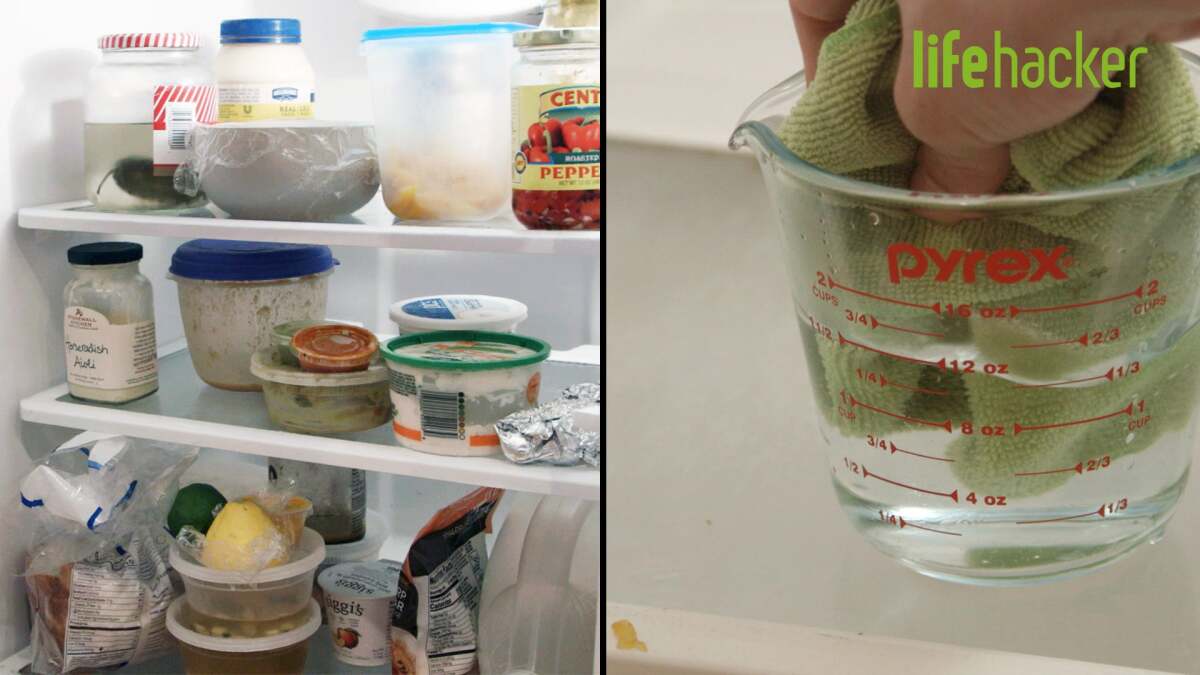
A cold compress is one of the fastest ways to calm mild eyelid puffiness. Cold helps narrow blood vessels and may reduce fluid buildup and inflammation. Wrap a clean, cool washcloth around the eyes for 10 to 15 minutes. You can also use chilled gel masks, cold spoons, or refrigerated eye padsas long as they are clean and not painfully cold.
Avoid putting ice directly on your eyelids. The skin is too thin for that kind of polar expedition. If your lids feel numb, burning, or irritated, remove the compress.
2. Try a Warm Compress for Styes, Chalazia, or Crusty Lids
Cold compresses are helpful for general puffiness, but warm compresses are often better when swelling is caused by a clogged oil gland, stye, chalazion, or blepharitis. Warmth can soften thickened oil and help the eyelid glands drain naturally.
Soak a clean washcloth in warmnot scaldingwater, wring it out, and place it over the closed eyelid for 10 to 15 minutes. Rewarm the cloth as needed. Do this several times a day if you have a tender bump or crusting along the lash line. Never squeeze a stye or chalazion. Your eyelid is not a toothpaste tube, and treating it like one can spread infection.
3. Sleep With Your Head Slightly Elevated
If your eyelids are puffiest in the morning, gravity may be part of the problem. Fluid can collect around the eyes while you lie flat, especially after a salty meal, alcohol, crying, or poor sleep.
Try sleeping on your back with your head slightly elevated using an extra pillow or a wedge pillow. The goal is not to sleep upright like a Victorian ghost in a chair. A small incline is enough to encourage better fluid drainage overnight.
4. Get Consistent, Quality Sleep
Sleep deprivation can make the area around the eyes look swollen, dull, and shadowed. Adults generally do best with a consistent sleep schedule and enough rest to wake feeling functional. Puffy eyelids are not always a sleep issue, but poor sleep can make nearly every eye concern look worse.
Build a calmer evening routine by dimming screens, limiting late caffeine, reducing alcohol close to bedtime, and keeping your bedroom cool and dark. Your eyelids may not write you a thank-you card, but they may look less like they attended a secret midnight meeting.
5. Cut Back on Sodium
High-sodium meals can lead to fluid retention, and that fluid loves to announce itself around the eyes. If you notice puffiness after takeout, chips, processed foods, canned soups, deli meats, or restaurant meals, sodium may be a sneaky contributor.
You do not have to break up with salt forever. Instead, aim for balance. Choose fresh foods more often, read labels, rinse canned beans or vegetables, and season meals with herbs, citrus, garlic, pepper, or vinegar. Your taste buds will survive. They may even become more sophisticated and start wearing tiny scarves.
6. Drink Enough Water
Dehydration can make the body hold onto fluid, which may worsen puffiness. Drinking water consistently throughout the day helps support normal fluid balance. This does not mean you need to carry a gallon jug everywhere like you are training for the Hydration Olympics.
A practical approach is to drink when thirsty, increase fluids during hot weather or workouts, and check that your urine is generally pale yellow. Water-rich foods like cucumbers, oranges, watermelon, soups, and leafy greens can also help.
7. Treat Allergies Early
Allergies are a major cause of swollen, itchy, watery eyelids. Pollen, dust mites, mold, pet dander, and certain cosmetics can trigger inflammation around the eyes. If your eyelids puff up along with sneezing, runny nose, itchy eyes, or seasonal symptoms, allergies may be the culprit.
Over-the-counter antihistamine eye drops or oral antihistamines may help, depending on your symptoms and health history. Artificial tears can also rinse allergens from the eye surface. If symptoms are frequent or severe, ask a healthcare professional about the best allergy plan for you.
8. Stop Rubbing Your Eyes
Eye rubbing feels satisfying for approximately three seconds, then often makes swelling worse. Rubbing can irritate eyelid skin, move allergens around, introduce germs, and aggravate conditions like allergic conjunctivitis or blepharitis.
If your eyes itch, try a cold compress, preservative-free artificial tears, or allergy drops instead. If you wear makeup, remove it gently. If you wear contacts, switch to glasses until irritation settles. Your eyes are not stress balls; they did not sign up for that job.
9. Clean Your Eyelids Gently
Good eyelid hygiene can make a big difference, especially if you deal with blepharitis, crusting, oily lids, flakes at the lash line, or recurring irritation. Use a clean washcloth, sterile eyelid wipe, or a cleanser recommended by an eye professional. Gently clean along the lash line with eyes closed.
Avoid harsh soaps, exfoliating acids, scrubs, or fragranced products near the eyes. The goal is to remove debris and oil, not polish your eyelids like antique silver.
10. Use Artificial Tears
Dry eyes can cause irritation, burning, watery eyes, and sometimes eyelid swelling. It may sound strange, but dry eyes can water excessively because the eye surface is irritated. Preservative-free artificial tears can soothe dryness and help flush away irritants.
Use lubricating drops as directed on the label. If you need drops many times a day or your eyes remain red, painful, or light-sensitive, schedule an eye exam. Chronic dryness may need more targeted treatment.
11. Take a Break From Contact Lenses
Contacts can worsen puffy eyelids when your eyes are irritated, infected, dry, or allergic. If you have redness, discharge, pain, swelling, or suspected pink eye, stop wearing contacts and use glasses until symptoms fully resolve or an eye doctor clears you.
Never sleep in contacts unless your eye doctor specifically prescribed lenses designed for overnight wear. Replace cases regularly, wash hands before handling lenses, and avoid using tap water on contacts. Contact lenses are tiny medical devices, not casual accessories with commitment issues.
12. Remove Makeup Before Bed
Sleeping in eye makeup can clog glands, irritate skin, worsen blepharitis, and invite puffiness to the morning party. Mascara, eyeliner, glitter, lash glue, and heavy creams can all irritate the eyelid margin if left on overnight.
Use a gentle, eye-safe makeup remover and avoid aggressive tugging. Replace mascara every few months, do not share eye makeup, and toss products that smell strange, change texture, or have caused irritation. Your eyeliner should define your eyes, not start a small medical subplot.
13. Avoid New or Irritating Skin Products
Eyelid skin reacts quickly to ingredients that may be tolerated elsewhere on the face. Retinoids, exfoliating acids, fragrances, essential oils, sunscreen, hair dye, nail polish, and even airborne products can trigger contact dermatitis around the eyes.
If puffiness started after a new product, stop using it for a while and simplify your routine. Use a mild cleanser and a bland moisturizer away from the lash line. If swelling, scaling, burning, or itching continues, see a dermatologist or eye doctor.
14. Manage Sinus Congestion
Sinus congestion can create pressure and fluid buildup around the eyes. If your puffy eyelids come with nasal stuffiness, postnasal drip, facial pressure, or seasonal allergies, addressing sinus symptoms may help.
Saline nasal rinses, steam, humidifiers, allergy management, and staying hydrated may reduce congestion. Use decongestants only as directed and ask a healthcare professional if you have high blood pressure, heart conditions, glaucoma, pregnancy, or take other medications.
15. Reduce Alcohol and Late-Night Snacks
Alcohol can dehydrate the body, disrupt sleep, and contribute to fluid shifts that show up around the eyes. Late-night salty snacks can do the same. If you notice swollen eyelids after wine, cocktails, ramen, pizza, or midnight chips, your lids may be giving a tiny weather report: “High chance of puffiness by sunrise.”
Try drinking water alongside alcohol, stopping earlier in the evening, and choosing lighter, lower-sodium snacks. Consistency matters more than perfection.
16. Use Caffeine Eye Products Carefully
Caffeine is a common ingredient in eye creams and gels because it may temporarily reduce the appearance of puffiness by constricting blood vessels. A chilled caffeine eye gel can be helpful for morning puffiness, especially when swelling is mild and cosmetic.
However, eye creams cannot fix infections, blocked glands, severe allergies, thyroid-related eye changes, or significant under-eye bags caused by anatomy or aging. Patch test new products and avoid placing creams too close to the eye itself.
17. Consider Professional Cosmetic Treatments for Chronic Bags
Sometimes what people call puffy eyelids is not fluid swelling at all. It may be under-eye bags from aging, genetics, skin laxity, or fat pads shifting forward. In those cases, lifestyle changes may improve the look slightly but may not remove the bags.
Dermatologists, ophthalmologists, and plastic surgeons may offer treatments such as laser resurfacing, chemical peels, fillers, radiofrequency, or blepharoplasty. These treatments are not for everyone, and they carry costs and risks. A qualified professional can help determine whether your concern is true swelling, skin texture, volume loss, pigmentation, or structural under-eye bags.
18. Know When to See a Doctor
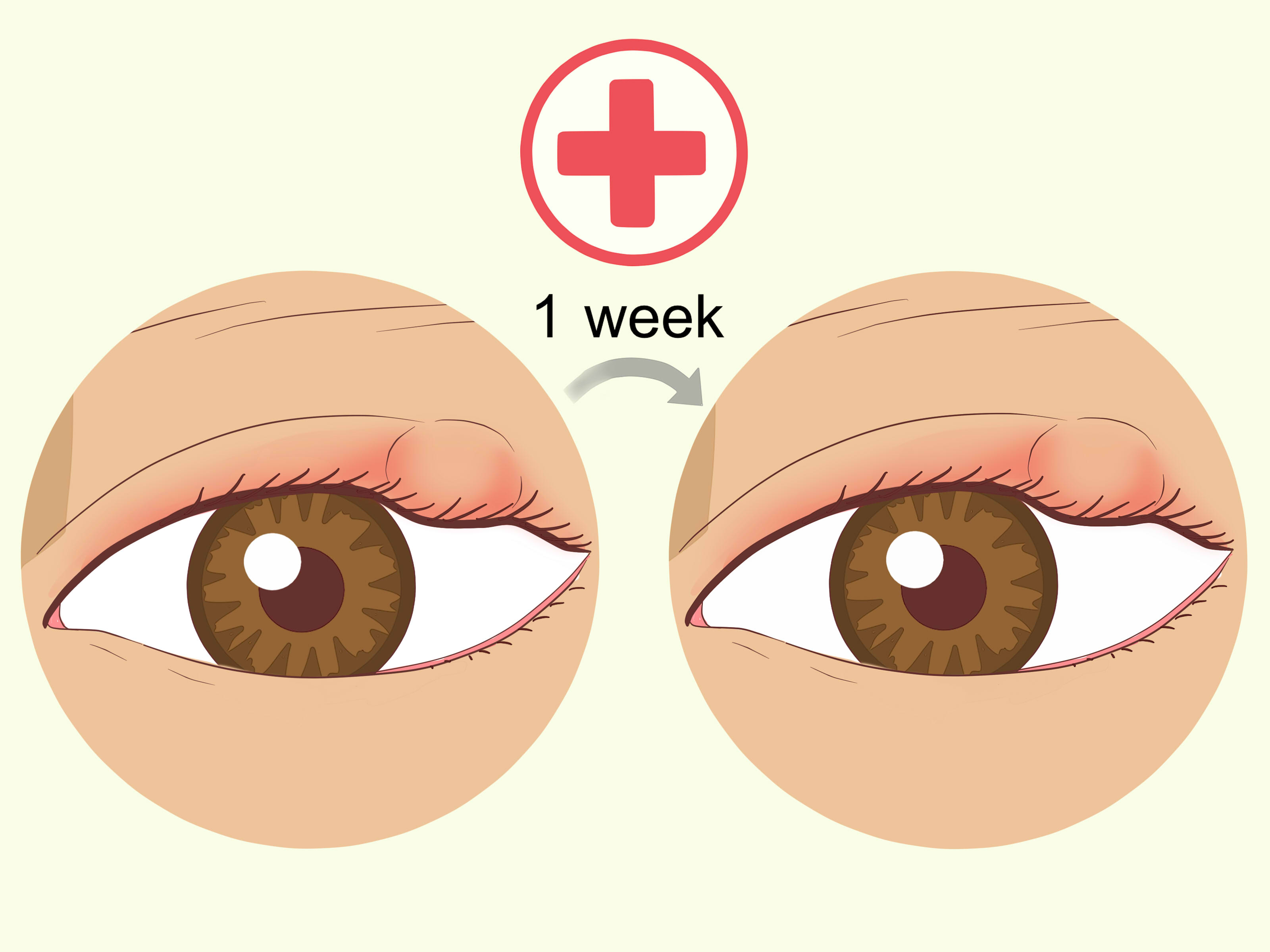
Most mild puffy eyelids improve with home care. But some symptoms deserve medical attention. Call a healthcare professional if swelling is painful, one-sided, worsening, linked with thick discharge, or does not improve after a few days.
Seek urgent care if you have vision changes, fever, severe headache, eye injury, trouble moving the eye, bulging of the eye, spreading redness, severe light sensitivity, or swelling after a chemical exposure. Conditions like orbital cellulitis, serious infections, shingles near the eye, or thyroid eye disease require prompt evaluation.
Cold Compress vs. Warm Compress: Which One Should You Use?
Choose a cold compress for general puffiness, allergy-related swelling, crying-related swelling, or tired-looking eyelids. Cold is best when the goal is to calm inflammation and temporarily shrink swollen tissue.
Choose a warm compress when you suspect a stye, chalazion, clogged oil gland, blepharitis, crusting, or thick eyelid oil. Warmth helps soften oils and supports gland drainage. If you are unsure, pay attention to symptoms. Itchy, watery, allergy-like puffiness usually likes cold. A tender bump or crusty lash line usually prefers warmth.
What Not to Do for Puffy Eyelids
Do not use steroid creams near your eyes unless prescribed. Do not squeeze bumps. Do not put lemon juice, toothpaste, essential oils, or random kitchen experiments on your eyelids. The internet has many ideas; your eyeballs only get one vote, and they vote no.
Also avoid using hemorrhoid cream near the eyes unless a healthcare professional specifically recommends it. Some ingredients can irritate the eye area or be unsafe if they get into the eyes. When in doubt, choose boring and safe over dramatic and regrettable.
How Long Do Puffy Eyelids Take to Go Away?
Simple morning puffiness from sleep position, salt, alcohol, or crying may improve within a few hours. Allergy-related swelling may settle once the allergen is controlled and medication begins working. Styes and chalazia can take days to weeks. Blepharitis may be chronic and usually requires regular eyelid care to prevent flare-ups.
If puffiness is persistent, recurring, or paired with other symptoms, it is worth getting checked. The most effective treatment depends on the cause, and guessing can waste timeor worse, irritate the eyelids further.
of Real-Life Experience: What Actually Helps Puffy Eyelids Day to Day
Anyone who has dealt with puffy eyelids more than once learns an important lesson: the “best” remedy depends on what caused the puffiness in the first place. A cold compress feels magical after a salty dinner, a long cry, or a short night of sleep. But if the problem is a tender bump on the lid, cold may feel nice without doing much. That is where warm compresses earn their place. They are not glamorous, but they are dependablebasically the cardigan of eyelid care.
In everyday life, the most useful strategy is to notice patterns. If your eyelids puff up every spring, allergies are probably involved. If it happens after ramen, pizza, or restaurant meals, sodium may be the trigger. If one eyelid swells after sleeping on one side, your pillow position may be telling on you. If puffiness comes with flakes, crusting, or burning along the lashes, eyelid hygiene may matter more than fancy creams.
A simple morning routine can help: rinse your face, apply a clean cold compress for 10 minutes, use artificial tears if your eyes feel dry, and avoid rubbing. If you wear makeup, keep it light until the swelling goes down. Concealer can help with shadows, but heavy eye products on irritated lids can make things worse. Sometimes the bravest beauty choice is leaving the eyeliner alone for one day. It will recover emotionally.
For people who work on screens all day, eyelid puffiness often travels with dry eyes and eye strain. Blinking more sounds too obvious, but screen focus reduces natural blinking. Taking short breaks, looking away from the screen, using lubricating drops, and keeping the room from getting too dry can make a noticeable difference. If your eyes feel gritty by afternoon, do not wait until bedtime to help them.
Contact lens wearers should be extra careful. A puffy eyelid plus redness, discharge, pain, or light sensitivity is not the time to be loyal to contacts. Switch to glasses and clean or replace your lens case. Contacts can trap irritants and increase the risk of complications when the eye is already inflamed.
The same goes for skincare. Many people accidentally irritate their eyelids with products that were never meant to sit near the lash line. Retinol, exfoliating acids, fragrance, essential oils, and strong acne treatments can migrate toward the eyes while you sleep. If puffiness appears after starting a new product, pause it and simplify. A boring routine can be surprisingly healing.
Finally, do not ignore puffiness that feels different from your usual pattern. Mild swelling after crying is one thing. A hot, painful, rapidly swelling eyelid is another. Vision changes, fever, eye bulging, or trouble moving the eye should be treated seriously. Puffy eyelids are often harmless, but the eyes are too important for guesswork. When symptoms are severe or strange, professional care is the smartest remedy in the room.
Conclusion
Puffy eyelids are common, annoying, and usually manageable with simple steps such as cold compresses, warm compresses, better sleep, reduced sodium, hydration, allergy treatment, eyelid hygiene, and avoiding irritants. The key is matching the remedy to the cause. Morning puffiness may need lifestyle tweaks, allergy puffiness may need antihistamines or eye drops, and bumps or crusting may need warm compresses and regular lid cleaning.
Most mild swelling improves with home care, but painful, worsening, one-sided, or vision-related swelling should be evaluated by a healthcare professional. Treat your eyelids gently, skip risky internet hacks, and remember: the goal is calm eyes, not a bathroom counter that looks like a science fair.