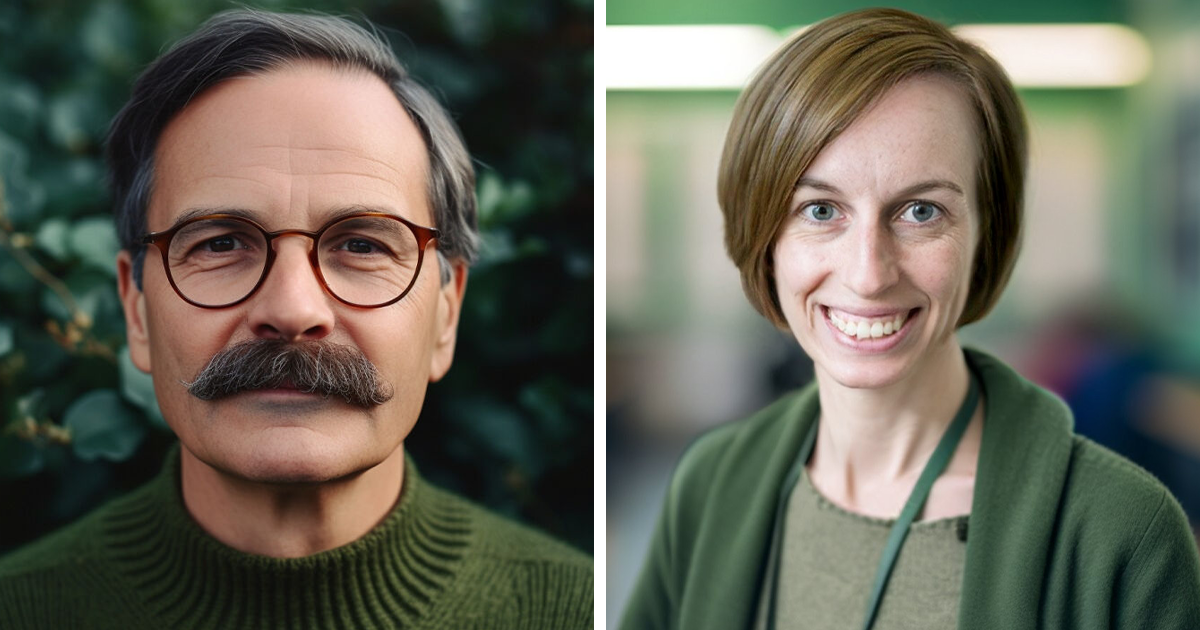
19 AI-Generated Portraits Of Characters From The Simpsons If They Existed In Real Life

There are two kinds of people in the world: folks who see The Simpsons as a cartoon, and folks who see it as a documentary with better hair. If you’re in the second camp,
“AI-generated real-life portraits” hit like a nostalgia-flavored jump scaresuddenly Homer looks like your neighbor, Marge looks like she runs the PTO with military precision, and Bart
looks like he absolutely has a TikTok account that should be banned in 47 states.
Below is a gallery-style breakdown of 19 Simpsons characters reimagined as photoreal, real-world people (and pets), plus how creators typically get these portraits
to look believable without losing the cartoon DNA that makes each character instantly recognizable.
Why “Real-Life Simpsons” Portraits Are Suddenly Everywhere
The short version: image-generation AI has gotten very good at faces, lighting, skin texture, and those tiny “camera-ish” details (lens blur, pores, flyaway hair) that scream
this is a photo. The longer version is more funand a little spooky.
What “AI-generated” usually means (in normal human language)
Most modern image generators are trained on massive collections of images and captions. When you type a promptsomething like “middle-aged dad, five o’clock shadow, donut enthusiasm”
the model predicts pixels that match the description. Instead of copying a single image, it synthesizes a new one by blending patterns learned across tons of examples.
That’s why you can get a “real-life Homer” who feels plausible: the AI has seen millions of dads, millions of expressions, and more shirt-and-pants combos than any wardrobe should allow.
Your prompt is the steering wheel, not the entire engine.
Why the faces look believable (and why that can be risky)
Research has shown that people can struggle to tell AI-generated faces from real onesand may even rate synthetic faces as more trustworthy in some contexts. That realism is exactly why
“cartoon-to-human” portraits land so hard… and also why synthetic media can be misused when it’s presented deceptively.
The good news: the industry (and regulators) are pushing for clearer labeling, watermarking, and provenance signals so viewers can understand what they’re looking at. In the meantime,
the safest rule is simple: make art, don’t make scams.
A Quick, Boring-but-Important Note About Fan Art, Copyright, and Respect
Real-life Simpsons portraits are usually fan art: transformative, playful, and meant for entertainment. But the characters and brand elements are still protected by
intellectual property rules. Also, the rules around AI-generated content (especially who owns what) are evolving fast.
- If you’re posting a gallery: label it clearly as AI-generated or AI-assisted fan art.
- If you’re monetizing: be extra cautiouscommercial use increases the chance of rights issues.
- If you’re “casting” real people: don’t. Avoid prompts that mimic a real person’s likeness without permission.
- If you want to be a good internet citizen: don’t use AI portraits to mislead people (even “as a prank”).
Now that we’ve done the responsible-adult paperwork, let’s do the fun part: imagining Springfield as if it were a real town… which would immediately be shut down by the health department.
The Gallery: 19 AI-Generated “Real-Life” Simpsons Portraits
Each entry below is written like an art director’s breakdownwhat the portrait tends to emphasize, what makes it instantly recognizable, and what details usually sell the realism.
Think of it as a behind-the-scenes tour of how “cartoon logic” becomes “human face logic.”
1) Homer Simpson The Working-Class Dad Who Lost a Fight With a Donut (and the Donut Won)
Real-life Homer typically becomes a middle-aged guy with a soft jawline, tired eyes, and the kind of expression that says, “I meant to be responsible today, but then lunch happened.”
The key is keeping his emotional range: sleepy delight, sudden panic, and confidence that’s 40% courage, 60% confusion.
- Signature keep: short stubble, minimal hair, big heart energy.
- Realism sell: slight under-eye puffiness, natural skin shine, rumpled collar.
- Easter egg: a faint nuclear plant badge or a donut box peeking into frame.
2) Marge Simpson The Mom Who Can Love You and Judge You in One Glance
Marge is where AI portraits get hilariously creative: the towering blue beehive becomes a dramatic updo, a vintage bouffant, or a stylized high-volume curl situation that would require
its own fire code. Her face reads warm, patient, and “I’m smiling, but I’ve also seen what you did.”
- Signature keep: tall hair silhouette, calm-but-steely eyes.
- Realism sell: subtle makeup, soft studio lighting, gentle laugh lines.
- Easter egg: a green dress tone or a pearl necklace that looks inherited and powerful.
3) Bart Simpson Chaos, But Make It Ten Years Old
Real-life Bart is usually a sharp-featured kid with that “I’ve already planned three pranks and a snack” look. The hair becomes spiky gelled strands, and the grin is mischievous in a way
that suggests he’s currently innocent… and also definitely guilty.
- Signature keep: spiky hair, eyebrow swagger.
- Realism sell: scraped knuckles, scuffed sneakers, sunlight like he’s outside causing problems.
- Easter egg: a slingshot shape in the background (or a skateboard wheel).
4) Lisa Simpson The Overachiever Who’s Politely Disappointed in All of Us
Lisa translates beautifully into a real portrait: bright, observant eyes; neat posture; and an expression that says she’s already read the book, highlighted it, and written a better ending.
The spiky hair becomes a short, angular cut or a carefully styled bob with sharp edges.
- Signature keep: alert eyes, composed vibe.
- Realism sell: tidy wardrobe, warm indoor lighting, a hint of “school photo day.”
- Easter egg: a saxophone case or sheet music in the corner.
5) Maggie Simpson The Silent Icon With the Loudest Pacifier
Maggie is often rendered as a toddler with huge curious eyes and a thousand-yard stare that suggests she knows the secrets of the universe, but she’s not tellingbecause she’s busy
vibing with her pacifier. The trick is making her adorable without making her look like a porcelain doll (which is where “uncanny” can sneak in).
- Signature keep: wide eyes, soft baby cheeks.
- Realism sell: messy baby hair, drool sheen, tiny hands mid-grab.
- Easter egg: a star-shaped hair clip as a nod to her spiky bow silhouette.
6) Ned Flanders The Neighbor Who’d Apologize for Your Bad Mood
Real-life Ned looks like the friendliest guy in your suburb: warm smile, tidy grooming, and “I brought you muffins” energy. The mustache is non-negotiable. The sweater usually becomes a
preppy knit that looks like it has never met a stain.
- Signature keep: mustache, upbeat eyes.
- Realism sell: polite posture, soft daylight, clean collar lines.
- Easter egg: a subtle church bulletin or a left-handed baseball glove reference (for the deep fans).
7) Mr. Burns The Billionaire Who Looks Like He’s Allergic to Sunlight (and Joy)
Mr. Burns becomes an elderly, ultra-thin executive with sharp cheekbones, a too-perfect suit, and hands that look like they’ve signed paperwork since the invention of paper. The portrait
often exaggerates pallor and shadows, like he’s lit by fluorescent boardroom bulbs and pure greed.
- Signature keep: hawk-like features, steepled fingers vibe.
- Realism sell: crisp suit texture, dramatic side lighting, faint liver spots.
- Easter egg: a tiny “nuclear” insignia or an old-fashioned pocket watch.
8) Waylon Smithers The Devoted Assistant With a Spreadsheet Soul
Smithers’ real-life look usually lands somewhere between “corporate professional” and “theater kid who grew up and bought a tie.” Neat hair, glasses, and an expression that says he can
solve your problem and also has feelings about it.
- Signature keep: tidy hair, glasses, earnest gaze.
- Realism sell: office background blur, lanyard detail, perfectly aligned collar.
- Easter egg: a subtle Mr. Burns reflection in a glass wall (blink-and-you-miss-it energy).
9) Krusty the Clown The Entertainer Who’s One Makeup Wipe Away From a Breakdown
Krusty becomes a celebrity clown with heavy stage makeup, tired eyes underneath, and a grin that’s doing a lot of emotional labor. The best portraits capture that contrast: bright paint,
dim soul, and the unmistakable look of someone who’s been booed by children and deserves workers’ comp.
- Signature keep: clown makeup, unruly hair silhouette.
- Realism sell: smudged eyeliner, makeup texture, studio harsh lighting.
- Easter egg: a microphone, a backstage pass, or a half-crumpled cue card.
10) Milhouse Van Houten The Sweet Kid Who Looks Like He Apologizes for Existing
Milhouse is often portrayed as a lanky kid with big glasses, anxious eyebrows, and a hopeful smile that’s been emotionally pre-bruised by middle school. The realism magic is in the
posture: slightly hunched, hands unsure, like he’s about to ask permission to breathe.
- Signature keep: oversized glasses, earnest face.
- Realism sell: school hallway lighting, backpack straps, hair slightly too neat.
- Easter egg: a comic book peeking out (or a tiny “Bart” doodle on a notebook).
11) Moe Szyslak The Bartender Who’s Seen Everything and Liked None of It
Real-life Moe shows up as a weathered bar owner with a permanently tired face, heavy-lidded eyes, and the kind of expression that says, “I’ve heard your story, and it’s not even in my
top 200 worst.” Lighting matters herewarm bar glow, shadows, and that cinematic grit that screams “late-night regular.”
- Signature keep: droopy features, world-weary stare.
- Realism sell: textured skin, imperfect grooming, neon reflections.
- Easter egg: a rag, a pint glass, or a blurred “bar” sign behind him.
12) Chief Wiggum The Cop Who Looks Like He’d Forget His Own Meeting
Wiggum often becomes a middle-aged officer with a round face, friendly smile, and that specific brand of confidence that exists only when no one is checking. Portraits usually keep him
approachablemore “local uncle” than “action hero.”
- Signature keep: round cheeks, mustache, easy grin.
- Realism sell: uniform fabric detail, badge shine, soft outdoor lighting.
- Easter egg: donut crumbs. Yes, again. Springfield runs on donuts.
13) Principal Skinner The Administrator Powered by Stress and Laminators
Skinner becomes the most believable human on the list: a tightly wound school administrator with tidy hair, a disciplined expression, and eyes that have witnessed ten thousand
parent-teacher conferences. The best portraits add subtle “sleepless” cuesslight under-eye shadows, clenched jaw, perfect posture.
- Signature keep: rigid posture, controlled smile.
- Realism sell: fluorescent school lighting, lanyard, paper stacks blur.
- Easter egg: a lunch tray or a “Springfield Elementary” hallway banner in soft focus.
14) Edna Krabappel The Teacher Who’s Earned Every Sip of That Coffee
Edna is often portrayed as a practical, exhausted educator with sharp humor in her eyes. AI portraits tend to emphasize lived-in realism: a cardigan, a slightly tilted head, and a look
that says, “If you’re about to ask for extra credit, no.”
- Signature keep: knowing smirk, tired-but-tough vibe.
- Realism sell: chalk dust on sleeves, classroom background blur, warm lamplight.
- Easter egg: a red pen or a stack of papers screaming “grading weekend.”
15) Groundskeeper Willie The Man, The Myth, The Anger Management Referral
Willie becomes a rugged groundskeeper with wild hair, a fiery glare, and forearms that look like they were carved from oak. The realism usually leans into outdoor gritsunlight,
dirt-under-the-nails detail, and a face that has yelled at a lawnmower like it owes him money.
- Signature keep: fiery expression, untamed hair and beard energy.
- Realism sell: textured skin, workwear fabric, hard daylight.
- Easter egg: a rake, a shovel, or a suspiciously dramatic Scottish-style tartan accent… visually.
16) Ralph Wiggum The Kid Who Would Absolutely Wave at a Chair
Ralph is often portrayed as a child with wide, innocent eyes and a slightly off-center smilesweet, weird, and emotionally unstoppable. The challenge is keeping him endearing, not eerie.
The best portraits give him soft lighting and a candid “caught mid-thought” moment.
- Signature keep: wide eyes, gentle confusion.
- Realism sell: playground background blur, cozy sweater texture, natural color variation in cheeks.
- Easter egg: a tiny badge-shaped sticker (because of his dad) or a crayon drawing.
17) Sideshow Bob The Villain Who’d Quote Shakespeare While Cutting Your Brakes
Real-life Sideshow Bob tends to look like a dramatic intellectual with a strong jawline, theatrical eyebrows, and hair that becomes either a perfectly coiffed mane or a glorious,
slightly unhinged cascade. He should feel smart, performative, and just dangerous enough to make you reconsider your life choices.
- Signature keep: intense eyes, theatrical poise, big hair silhouette.
- Realism sell: cinematic shadows, crisp suit texture, controlled smirk.
- Easter egg: an opera program, a book, or a faint “rake” in the background for the true believers.
18) Santa’s Little Helper The Dog Who Looks Like He’s Been Adopted by Chaos (Twice)
When AI portraits go “real-life” on animals, they usually nail fur texture and soulful eyes. Santa’s Little Helper becomes a lean, sweet greyhound-type dog with a gentle face and an
expression that says, “I love this family, but I don’t understand their decisions.”
- Signature keep: long snout, kind eyes, lanky build.
- Realism sell: fur detail, whiskers, outdoor sunlight.
- Easter egg: a worn toy or a collar tag hinting at “Evergreen Terrace.”
19) Snowball II The Cat Who’s Judging You for Reading This Instead of Feeding Her
Snowball II becomes a sleek black cat with glossy fur and a stare that could power a small city through pure disdain. AI portraits often get cats surprisingly right when they focus on
lighting and eye reflectionsthose tiny highlights that make a creature look undeniably alive (and unimpressed).
- Signature keep: jet-black fur, confident posture.
- Realism sell: sharp whiskers, eye reflections, high-contrast lighting.
- Easter egg: a couch corner that looks suspiciously scratched.
How Creators Make “Real-Life Simpsons” Portraits Look Believable
If you’ve ever wondered why some portraits look like Oscar-worthy casting while others look like a wax museum got haunted, it usually comes down to a few repeatable choices.
1) Start with anatomy, then sprinkle in the cartoon
The strongest results don’t try to force a literal translation of every line and color. Instead, they convert iconic shapes into human equivalents: Marge’s hair becomes a tall updo,
Burns’ sharp silhouette becomes extreme cheekbones, Bart’s spikes become messy gel. It’s “recognition first, realism second”but both matter.
2) Use “signature constraints”
Think of each character as having three non-negotiables. For Homer it’s the bald-with-stubble vibe, for Lisa it’s alert eyes and composed posture, for Krusty it’s makeup plus the
tiredness underneath. Good prompts lock those constraints in early so the AI doesn’t drift into generic stock-photo territory.
3) Lighting is the cheat code
Photorealism is often less about perfect facial structure and more about believable light: soft window light for Lisa, harsh backstage bulbs for Krusty, warm neon for Moe. Lighting tells
your brain, “This is a photo,” even when the subject is obviously… a cartoon person.
4) Don’t ignore synthetic-media transparency
As AI imagery gets more convincing, labeling and provenance become more importantespecially if portraits could be mistaken for real people. Watermarking and content authenticity signals
are increasingly discussed as tools to reduce confusion and misuse. If you’re sharing these images publicly, a clear “AI-generated” label is the bare minimum.
5) The ethics checklist (a.k.a. “don’t be the reason we can’t have nice things”)
- Label AI-generated images, especially photoreal ones.
- Avoid prompts that imitate real individuals without permission.
- Don’t present synthetic portraits as news, evidence, or “leaks.”
- Be cautious with monetization, brand use, and character trademarks.
Why These Portraits Feel So Satisfying (And a Little Uncanny)
Part of the thrill is cognitive: your brain already knows these characters, so it fills in gaps instantly. A “real-life” portrait becomes a puzzle you solve in half a second:
“That hair shape + that expression = Marge.” It’s recognition dopamine.
The other part is emotional: The Simpsons is a shared cultural reference for a lot of people. When AI turns a cartoon into something that resembles a real person, it’s like
seeing a childhood memory step into your living room and ask where you keep the snacks.
Quick FAQs
Are AI-generated Simpsons portraits okay to post online?
For most people, sharing as clearly labeled fan art is the norm. The risk grows if you claim it’s official, use it to mislead, or use it commercially. When in doubt: label it,
keep it transformative, and don’t impersonate real humans.
Can you monetize a “real-life Simpsons” gallery?
Monetization is where things get complicated faster. Commercial use can trigger stronger scrutiny around trademarks, character rights, and platform policies. If your goal is a business,
consider original characters or fully licensed partnerships instead of leaning on someone else’s IP.
How can I tell if a portrait is AI-generated?
Look for subtle inconsistencies (odd jewelry, asymmetrical glasses, strange text on signs), and check whether the poster labels it. Also, expect this to get harder over timesome studies
suggest people can be fooled by highly realistic synthetic faces. When stakes matter, treat images as “unverified” until proven otherwise.
Conclusion
“Real-life Simpsons” portraits work because they balance two opposing forces: the exaggerated simplicity of cartoons and the messy complexity of human faces. Done well, they’re funny,
weirdly touching, and instantly recognizablelike Springfield itself.
Enjoy the portraits, share them responsibly, and remember: if an AI-generated Homer starts offering you financial advice, the correct response is to back away slowly and eat a salad out
of pure spite.
Extra: The “Real-Life Simpsons” Rabbit Hole Experience
You know the moment. You’re scrolling late at night, “just for a minute,” and then you see it: a photoreal Marge with a towering updo and tired, loving eyes. For a second your brain
doesn’t process it as “AI art.” Your brain processes it as “I have met this woman at a school fundraiser.” That’s the first weird delighthow quickly your memory upgrades a cartoon into
someone who feels like a person with a Costco membership and a strong opinion about carpool etiquette.
Then comes the second phase: the laugh. Not a polite chuckle, but the kind where you exhale through your nose like you’re trying to keep it quiet. Because real-life Homer looks exactly
like the guy who would hold up the line at a convenience store by asking if nacho cheese counts as a beverage. Real-life Moe looks like he has listened to every bad first date story in
human history and still has to mop the floor afterward. The humor isn’t just “ha, cartoon but human.” It’s “ha, the personality survived the translation.”
After that, you start doing mental casting. You’re not even trying. Your brain just goes, “Okay, if this is Bart, who plays him in the live-action version I made up in my head?”
Suddenly you’re an imaginary Hollywood producer with a budget of zero dollars and a deadline of right now. You start comparing versions: one Lisa looks like a serious student activist,
another looks like she’s about to join a jazz band, and somehow both feel correct. You’re not watching a showyou’re watching your own nostalgia become a mood board.
Then the uncanny part sneaks in. Not always, but sometimes. A portrait is almost righteyes just a little too glassy, smile a little too symmetrical, hair a little too perfect.
Your brain catches it like a splinter. That’s when you remember: realism is a trick of tiny details. You start noticing the “tells” like a detective. Hands that don’t quite hand. Text
that looks like it was invented by an alien who heard English once in an elevator. Earrings that appear to be quantum objectsboth hoops and studs until you look directly at them.
And finally, the soft landing: the wholesome part. Because for all the tech, the reason you care is emotional. These characters have been around long enough to feel like distant cousins.
Seeing them “in real life” is like flipping through a strange family album from a parallel universeone where Springfield is a real place and your neighbor’s dog really is Santa’s Little
Helper and yes, he would steal your sandwich. You close the tab eventually, slightly amused, slightly unsettled, and weirdly comforted… until you remember there are 73 more
portraits in the thread and you are, once again, powerless.