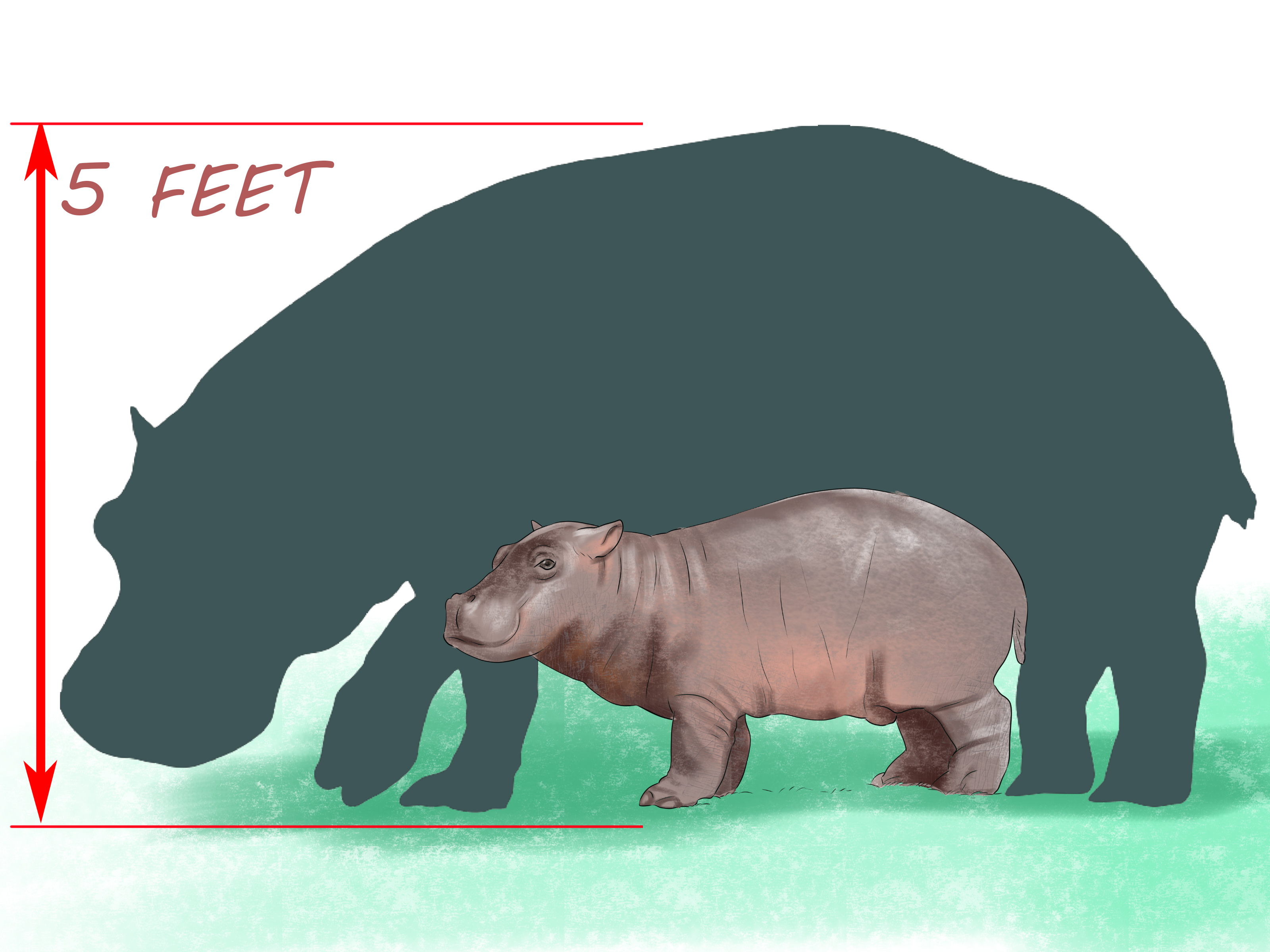

Hippos look like oversized bathtub toys designed by someone with a sense of humor and no concern for personal safety. They have round bodies, tiny ears, expressive faces, and the kind of sleepy vibe that makes tourists whisper, “Aww.” That is usually the exact moment a good guide says, “Please step back.”
A hippopotamus encounter is not the same as spotting a deer on a hiking trail. Hippos are massive, fast, territorial around water, and surprisingly agile when they decide a human, boat, or camera-happy visitor is too close. They are herbivores, yes, but “eats grass” does not mean “wants hugs.” A lawn mower is also associated with grass, and you probably would not try to pet one while it is angry.
The good news is that most hippo problems can be avoided with smart behavior. Hippos generally do not go looking for drama. Trouble usually starts when people surprise them, block their path to water, crowd them in a river, get near calves, or ignore guide instructions. This guide explains three practical ways to deal with a hippo encounter: prevent it, respond correctly on land, and stay safe around water or boats.
Why Hippo Encounters Are So Dangerous
Before learning what to do, it helps to understand what a hippo is trying to do. A common hippopotamus spends much of the day in rivers, lakes, pools, mudholes, or shallow water to stay cool and protect its sensitive skin. At night, hippos often leave the water to graze on land. That daily rhythm creates one of the biggest safety rules: water is the hippo’s comfort zone, escape route, and social headquarters.
Hippos are especially defensive in and around water. Males may hold territories in rivers or pools, and those territories can become crowded during dry seasons. When a large animal weighing thousands of pounds feels boxed in, challenged, or surprised, it does not send a polite email. It may charge.
Another important detail: hippos are not clumsy balloons with legs. They can move quickly on land for short distances, and in shallow water they can push along the bottom with impressive force. A hippo may look like it is floating peacefully, but much of its body can be hidden beneath the surface. That calm patch of water may contain a very large animal with very strong opinions about personal space.
Way 1: Prevent the Hippo Encounter Before It Starts
The best way to survive a hippo encounter is to avoid having one. This is not cowardice. This is strategy. If you are traveling in hippo country, prevention should begin before you walk near a riverbank, board a boat, choose a campsite, or wander around after sunset.
Keep a Serious Distance Near Rivers, Lakes, and Muddy Banks
Hippos are strongly associated with water, so treat riverbanks and lake edges as high-alert zones. Do not assume an area is safe because you cannot see a full animal. Hippos often expose only their eyes, ears, and nostrils above the surface. To an inexperienced visitor, that can look like a wet rock with attitude.
If you see hippos in the water, do not approach for a better photo. A zoom lens is your friend; your feet are not. Stay far back, stay quiet, and never try to make a hippo move. If a guide sets a distance rule, follow it without negotiation. “But I need content for Instagram” is not a survival plan.
Never Get Between a Hippo and Water
This is the golden rule of hippo safety. If a hippo is on land, especially at dawn, dusk, or night, it may want to return to water quickly. If you stand between the animal and that route, you become an obstacle. A panicked or defensive hippo may run toward its safe place, and it may not care that you are currently occupying the hallway.
When walking in hippo habitat, stay aware of the nearest water source. If you spot a hippo on land, move away from its likely path to the river or lake. Do not stand behind it, crowd it, or force it to choose between you and the water. Give it a wide exit route and make yourself uninteresting.
Watch for Warning Signs
Hippos may give signals before things get ugly. A wide-open mouth display can be a warning, not a yawn after a long day of being adorable. Loud snorting, sudden movement, head tossing, water churning, or a hippo turning directly toward you are all reasons to back away immediately.
Calves are another red flag. A mother hippo with a young one nearby deserves extra distance. Do not come between a calf and its mother. Do not assume the calf is alone. And definitely do not call it cute in a voice that makes you forget basic physics.
Use Local Guides and Respect Their Instructions
In hippo habitat, a qualified local guide is more than a narrator. A good guide understands seasonal water levels, animal movement, safe routes, and warning behavior. On walking safaris, boat safaris, fishing trips, or canoe excursions, listen carefully before you move.
Ask practical questions: Are hippos active in this area? Are we walking near a known path between water and grazing grounds? Is it safe to approach this bank? What should I do if a hippo appears? If the guide says stay in the vehicle, stay in the vehicle. If the guide says move, move. This is not the moment to become the main character in a wildlife documentary.
Way 2: React Correctly if You Meet a Hippo on Land
A land encounter can happen when hippos leave water to graze, especially in the evening, at night, or early morning. It can also happen near a riverbank when a hippo is resting, moving between paths, or trying to return to water. Your goal is not to scare it, challenge it, or outrun it in a straight-line race. Your goal is to get out of the danger zone quickly and intelligently.
Stay Calm and Create Space
If you notice a hippo before it notices you, back away slowly and quietly. Do not shout. Do not wave your arms. Do not throw anything. Do not try to “shoo” it like a raccoon near a trash can. A hippo is not a raccoon; it is more like a compact car with teeth and territorial concerns.
Move diagonally away from the animal and away from the route to water. If you are in a group, stay together and avoid sudden scattering unless a guide instructs otherwise. Splitting in different directions can confuse people and create more risk.
Put a Large Obstacle Between You and the Hippo
If the hippo starts moving toward you, look for cover immediately. A strong tree, large rock, termite mound, vehicle, or other solid barrier can help slow or redirect the animal. Do not rely on a bush, a backpack, or positive thinking. Hippos are powerful enough to crush flimsy obstacles without pausing to admire your optimism.
If a climbable tree or steep bank is nearby and you can reach it safely, getting above ground level may help. However, do not waste precious seconds trying to climb something impossible. Choose the fastest realistic barrier. Your decision should be simple: get something solid between you and the hippo.
Do Not Run Straight Down the Hippo’s Escape Route
If you are between a hippo and water, move sideways out of that path. Running directly away from the water may keep you in the route the hippo wants to use. Instead, try to clear the line between the animal and its safe zone. Think of it as stepping out of a very dangerous doorway.
If a hippo charges, do not play dead. This is not bear advice, and even with bears it depends on the species and situation. With a hippo, your best chance is distance, obstacles, and getting out of the animal’s path. Make yourself hard to reach, not dramatically motionless.
Follow the Guide, Not Your Panic
In a guided situation, your guide may clap, speak, move the group, or instruct everyone to back away. Do exactly what you are told. Guides may be reading details you do not notice, such as the animal’s posture, distance to water, wind direction, or whether more hippos are hidden nearby.
Panic makes people sprint, scream, and drop essential items. A calm response does not mean moving slowly when danger is immediate. It means making the right move instead of the loudest move.
Way 3: Handle a Hippo Encounter From a Boat or in Water
Many hippo encounters happen from boats, canoes, or along shorelines. Water can make people feel safe because they are not standing next to the animal. That feeling can be misleading. Hippos are at home in shallow water, and boats can accidentally enter their space.
Give Hippos a Wide Berth From Boats
If you are on a boat safari, keep a generous distance from hippos. Do not ask the captain to get closer. Do not lean over the side, slap the water, whistle, or make noises to get a reaction. The best wildlife viewing is boring to the animal. If the hippo ignores you, congratulations: you are doing tourism correctly.
Avoid narrow channels where a boat could trap a hippo or block its movement. Also avoid shallow areas where hippos are resting. If a hippo submerges, do not assume it has left. It may resurface in a different position, and if the boat is too close, everyone gets an unwanted lesson in aquatic tension.
Let the Boat Operator Maneuver
If a hippo appears close to the boat, stay seated and let the trained operator handle the situation. Sudden movement by passengers can rock a small boat or canoe. Screaming may add stress. Standing up for a better look is a terrible idea with excellent potential for regret.
The operator may back away, angle the boat toward safer open water, or wait for the animal to move. Your job is to keep your balance, follow directions, and avoid turning the boat into a floating circus.
Be Extra Careful in Canoes and Kayaks
Canoes and kayaks sit low in the water and offer little protection. In hippo areas, never paddle without expert local guidance. A peaceful-looking river can change quickly if a hippo surfaces nearby or if you drift toward a pod without realizing it.
If a hippo is seen ahead, stop advancing and move away according to guide instructions. Do not try to paddle between hippos and deep water, between a mother and calf, or through a group. If you are unsure whether a dark shape is a rock or a hippo, assume it is a hippo. Rocks rarely snort.
If You Fall Into Water, Get Out Safely and Quickly
Falling into water near hippos is a serious emergency. Your priority is to reach the safest exit point as quickly as possible without moving toward the animal. Avoid splashing wildly if you can, but do not freeze. Head for shore, a boat, a stable object, or help from your group.
If you are injured, bleeding, or bitten, seek emergency medical care immediately. Hippo bites can be devastating and carry a high risk of infection. Even wounds that look manageable at first may be serious because of crushing force, contamination, and tissue damage.
Common Mistakes That Make Hippo Encounters Worse
Mistake 1: Thinking Herbivores Are Harmless
Hippos eat plants, but danger is not determined by menu. Many large herbivores are dangerous because they are powerful, defensive, and quick to protect space or offspring. A hippo does not need to want to eat you to hurt you. It only needs to decide you are a problem.
Mistake 2: Treating a Hippo Like a Zoo Exhibit
Wild hippos are not behind barriers, and they do not operate on visitor expectations. In the wild, you are entering their habitat. Respect that. Stay inside vehicles where required, keep distance on foot, and do not pressure guides for risky close-ups.
Mistake 3: Walking Near Water at Night
Hippos often graze after dark. Walking near rivers, lakes, campsites, or grassy areas at night increases the chance of surprising one. Use a flashlight, stay with guides or staff, and ask about safe routes before leaving camp. The path that looked romantic at sunset may become a hippo commute lane after dinner.
Mistake 4: Ignoring Local Warnings
If lodge staff, rangers, or residents say an area is unsafe, believe them. Local knowledge is built from repeated observation, not guesswork. A warning sign near a riverbank is not decorative. It is not there because someone had spare paint and a flair for drama.
What to Do After a Hippo Encounter
If no one is hurt, move away from the area and report the encounter to guides, rangers, or lodge staff. The information may help protect other travelers. A hippo that was resting near a trail, feeding near camp, or acting defensively around a boat route may require temporary changes to guest movement.
If someone is injured, treat it as a medical emergency. Stop severe bleeding with direct pressure if it is safe to do so, keep the person still, and call for evacuation. Do not rinse deep wounds in unsafe water. Do not delay professional care because the wound “doesn’t look that bad.” With large animal injuries, what you cannot see can be just as dangerous as what you can.
After the event, write down what happened while details are fresh: location, time, number of hippos, distance, guide instructions, weather, lighting, and injuries. This can help medical teams, conservation staff, and tour operators understand the risk factors.
Practical Safety Checklist for Hippo Country
- Stay far from hippos in rivers, lakes, and muddy banks.
- Never stand between a hippo and water.
- Avoid walking near water at dawn, dusk, or night without a guide.
- Do not approach calves or pods.
- Use trained local guides for walks, boat trips, and canoe routes.
- Watch for warning signs such as mouth displays, snorting, and sudden movement.
- If threatened on land, move out of the path and put a large obstacle between you and the animal.
- If on a boat, stay seated and let the operator maneuver away.
- Seek emergency medical care after any injury.
Experience Notes: What Realistic Hippo Encounters Teach Travelers
Many experienced safari travelers describe their first hippo sighting as a mix of delight and disbelief. From a distance, a pod looks almost lazy: round backs in the water, twitching ears, soft grunts, an occasional enormous mouth opening like nature’s most dramatic suitcase. The scene feels peaceful until a guide explains that the quiet water is not a petting zoo. That first lesson is simple: beauty and danger can share the same riverbank.
One common experience happens on boat safaris. Guests begin the trip expecting birds, crocodiles, and perhaps a few hippos lounging like floating boulders. Then the boat turns a bend and a hippo surfaces closer than expected. Suddenly the mood changes. Cameras lower. People stop joking. The guide slows the engine, gives the animal space, and steers away without rushing. The lesson is not that boats are unsafe by default; it is that safe boating around hippos depends on distance, patience, and a guide who refuses to show off.
Walking safaris teach another lesson. On foot, travelers become aware of how vulnerable humans are without metal doors, high seats, or engines. A good guide may point out hippo trails leading from water to grazing grounds. These paths can look harmless, like ordinary tracks through grass. But at night, they may become active routes. The smart traveler learns not to wander from camp after dark, not to take shortcuts near water, and not to assume silence means emptiness. In hippo habitat, the darkness may be busy.
Camp experiences matter too. Some lodges sit near rivers because the views are spectacular. Guests may hear hippos grunting at night, which can sound funny at first, like a distant argument between tubas. But staff instructions are serious: use escorted paths, stay within lit areas, and do not walk to the water for a moonlit photo. The memory you want is “I heard hippos from my room,” not “I became part of the safety briefing.”
Photographers often learn the hardest lesson: the best shot is not always worth the next step. Hippos reward patience and distance. A long lens, a stable boat, or a vehicle viewpoint can capture behavior without pressuring the animal. Moving closer may change a calm sighting into a defensive encounter. Wildlife photography should document nature, not provoke it into charging.
The final experience-based lesson is humility. Hippos are not villains. They are animals defending space, calves, water access, and routine. Humans are the visitors. When travelers accept that role, hippo encounters become safer and more meaningful. The goal is not to conquer the river horse. The goal is to respect it, observe it wisely, and leave with a great story that does not require stitches, lawsuits, or a guide saying, “I told you so.”
Conclusion: Respect the Hippo, Keep Your Distance, Stay Alive
A hippo encounter is manageable when you understand the animal’s priorities. Hippos want access to water, room to move, protection for their young, and freedom from surprise. Most safety advice flows from those facts. Do not block their path. Do not crowd them in water. Do not approach calves. Do not walk near riverbanks at night without guidance. And please, for the love of every travel insurance policy ever printed, do not chase the perfect selfie.
The three best ways to deal with a hippo encounter are prevention, smart land response, and careful water behavior. Keep your distance before trouble starts. If you meet a hippo on land, move out of its path and use solid obstacles. If you are in a boat or near water, stay calm, avoid crowding the animal, and follow expert instructions. A hippo may look charming, but respect is the real survival tool.