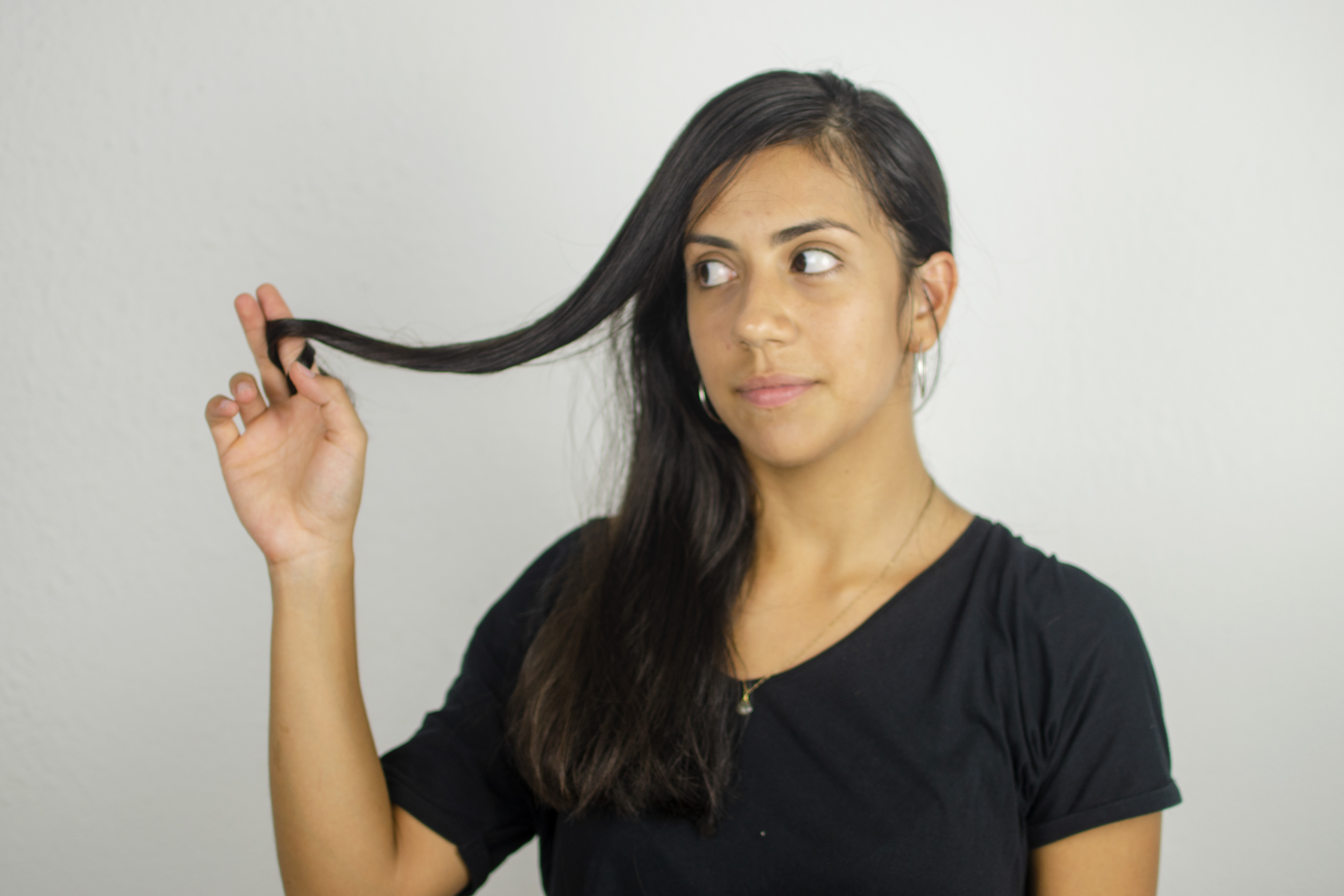

Puffy hair has a talent for showing up at the worst possible time. It waits until you have exactly six minutes to get ready, then turns your nice little blowout into a weather balloon. One minute your hair looks smooth and cooperative; the next, it has expanded like it has personal goals of its own.
If that sounds familiar, the good news is this: puffy hair is usually manageable. In most cases, it is not a mysterious curse. It is simply hair reacting to dryness, damage, friction, humidity, or a routine that is working against it instead of with it. Once you understand why your strands puff up, you can make small changes that lead to a much smoother result.
This guide breaks down four practical ways to get rid of puffy hair without turning your bathroom into a chemistry lab. We will cover how to wash, dry, style, and maintain your hair so it looks softer, shinier, and a lot less dramatic. Your hair can still have volume, texture, and personality. It just does not need to audition for a role as a thundercloud.
What Causes Puffy Hair in the First Place?
Before fixing puffy hair, it helps to know what you are actually dealing with. In everyday language, puffy hair usually means hair that looks swollen, frizzy, fluffy, or overly expanded instead of smooth and defined. Sometimes it happens all over. Sometimes it shows up only at the crown, around the ends, or on the outer layer of the hair.
The biggest culprit is usually lack of moisture. When hair is dry, the outer layer does not lie flat. That rougher surface lets humidity sneak in, which makes strands swell and lose shape. Puffy hair can also happen when you overwash, use too much heat, rough-dry with a regular towel, brush too aggressively, or keep split ends around long after they should have been evicted.
Texture matters too. Curly, coily, wavy, coarse, color-treated, and chemically processed hair tends to get puffy faster because it is naturally more vulnerable to dryness and breakage. Fine hair can also puff up, especially when it is damaged or exposed to humid weather. In other words, puffy hair does not discriminate. It is annoyingly inclusive.
1. Build a Moisture-First Hair Routine
Use less shampoo on the lengths and more conditioner where it counts
If your hair gets puffy after every wash, your routine may be too harsh. One of the easiest ways to get rid of puffy hair is to stop stripping it so aggressively. Shampoo belongs mainly on the scalp, where oil, sweat, and buildup collect. Scrubbing the entire length every time can dry out the mid-lengths and ends, which is exactly where puffiness loves to hang out.
After cleansing, use conditioner generously and match it to your hair type. If you have fine or straight hair, keep heavier conditioner mostly on the ends. If your hair is dry, curly, coarse, or color-treated, condition more thoroughly from mid-length to ends, and sometimes higher depending on what your texture can handle. The goal is not to make your hair greasy. The goal is to make it less thirsty.
A weekly deep-conditioning mask can make a big difference too. Puffy hair often behaves better when it has enough moisture to stop grabbing extra water from the air. Look for ingredients that support smoothness and softness, such as conditioning agents, plant oils, amino acids, or silicone-based smoothing ingredients if your hair responds well to them. That is not cheating. That is strategy.
Do not overwash just because you are frustrated
Many people try to fix puffiness by washing more often, but that can backfire. If your hair is already dry or textured, extra shampooing may remove the natural oils that help keep strands flexible and smooth. A smarter move is to wash based on your scalp and hair type, not on panic. Fine or oilier hair may need more frequent washing, while thicker, curlier, or drier hair often does better with fewer wash days.
And yes, water temperature matters. Super-hot water can feel luxurious, but your hair may not send a thank-you note. Lukewarm water is usually the better call for keeping dryness under control.
2. Change How You Dry and Detangle Your Hair
Stop roughing up the cuticle
You can use all the anti-frizz products in the world, but if you dry your hair like you are polishing a car, you are making the problem worse. One of the most effective anti-frizz hair tips is also one of the simplest: stop rubbing your hair with a standard bath towel. That friction roughs up the outer layer of the hair and encourages frizz, swelling, and breakage.
Instead, gently squeeze out excess water with a microfiber towel or a soft cotton T-shirt. Blot. Press. Scrunch, if that works for your texture. Just do not go full tornado mode. If you have curls or waves, this gentler drying method can help preserve pattern and reduce that puffy halo effect that appears the second humidity enters the room.
Detangle with patience, not aggression
Wet hair is more fragile than dry hair, so the way you detangle matters. A wide-tooth comb is usually a safer choice than a brush, especially for curly, coily, or damaged hair. Start at the ends, work upward slowly, and use conditioner or leave-in product for slip. If you yank through knots like you are in a race, your ends will absolutely remember.
A leave-in conditioner is especially helpful if your hair gets puffy as it dries. Applying it to damp hair helps lock in moisture, soften the strands, and create a smoother starting point before you air-dry, diffuse, or blow-dry. This is one of those small routine changes that often gives surprisingly big results.
Air-drying is not always the villain, but technique matters
Air-drying can be great, but only if your hair is set up for success. If you let wet hair dry with no leave-in product, no shape, and no protection from friction, the result may be fluffier than planned. Apply your smoothing cream, curl cream, or lightweight serum while hair is still damp, then leave it alone as much as possible. Touching it constantly while it dries is a fast track to puffiness.
3. Use Heat Strategically and Defend Against Humidity
Heat is not forbidden, but random heat is not your friend
Heat styling is one of the most common reasons hair becomes rough, dry, and puffy over time. That does not mean you must break up with your blow dryer forever. It means you need boundaries.
If you blow-dry, use a heat protectant first. Then stick to low or medium heat whenever possible. High heat may seem faster in the moment, but repeated overheating can leave the hair surface more damaged and more likely to puff up later. If you use a flat iron or curling iron, reduce the number of passes. Your hair does not need to be grilled into obedience.
For curly or wavy hair, a diffuser can help create more definition and less uncontrolled expansion. For straighter hair, using a nozzle attachment and directing airflow downward can help the hair lie flatter. A cool shot at the end is also useful for setting the style and taking down some of that outer-layer fuzz.
Humidity-proof your style before you step outside
Humidity is basically puffy hair’s favorite co-worker. If your strands are dry or porous, they will pull moisture from the air and swell. That is why a smart finishing product can matter just as much as your shampoo and conditioner.
Use a small amount of anti-humidity serum, smoothing cream, or finishing spray after styling. The point is to create a light barrier so your hair is less likely to absorb extra moisture from the environment. Start small, especially if your hair is fine. You can always add more, but turning your roots into an oil slick is a separate issue that nobody requested.
If you are considering salon smoothing treatments, think carefully. Some can temporarily reduce frizz and cut drying time, but they are not one-size-fits-all. They can be expensive, may change your curl pattern, and certain hair smoothing products have raised safety concerns. For many people, improving the home routine is the better first step.
4. Get the Right Cut and Keep Your Ends Healthy
Yes, your haircut affects puffiness more than you think
If your hair puffs out at the bottom, mushrooms at the sides, or gets fluffy no matter what products you use, your cut may be working against you. Split ends and uneven, damaged lengths can make hair look bigger, rougher, and less controlled. A trim will not magically solve everything, but it often improves the look of puffy hair faster than buying your eighth bottle of miracle serum.
Regular trims help remove frayed ends before they travel farther up the strand. If you live in a humid climate, a cut with enough weight can also help keep hair from expanding too wildly. For some people, blunt ends create a sleeker shape. For others, long layers help distribute volume more evenly. The best option depends on your texture, density, and styling habits.
Protect your hair between appointments
A good cut lasts longer when your daily habits support it. Sleep on a silk or satin pillowcase if you can. Use soft scrunchies instead of tight elastics. Avoid brushing your hair into submission. And if you wear it up often, choose looser styles that do not create breakage around the hairline and crown.
Healthy ends are easier to smooth, easier to style, and far less likely to turn into a puffy mess halfway through the day. Think of trims as maintenance, not punishment.
Quick Routine for Puffy Hair That Actually Makes Sense
Here is a simple routine for dry, frizzy, puffy hair that works for many people:
Wash the scalp, not the whole length. Condition well. Blot with microfiber or a cotton T-shirt. Detangle gently with a wide-tooth comb. Apply leave-in conditioner on damp hair. Add a smoothing cream or curl product based on your texture. Dry with low heat, a diffuser, or careful air-drying. Finish with a tiny bit of anti-humidity serum on the outer layer and ends.
That is it. No 17-step ritual. No moon cycle required.
Experiences: What These 4 Fixes Feel Like in Real Life
For many people, the journey from puffy hair to smoother hair is not dramatic. It is more like a series of small victories that finally add up. The first change people often notice is not even visual. Their hair starts to feel softer in the shower. It tangles less. It stops making that dry, crunchy little sound when they run their fingers through the ends. That is usually the first clue that the routine is moving in the right direction.
A common experience goes something like this: someone has spent years shampooing every inch of their hair, rubbing it with a bath towel, and then wondering why it dries into a triangular cloud by 10 a.m. They switch to cleansing mainly at the scalp, use a better conditioner, and stop rough-drying. Within a couple of wash days, their hair already looks less “before” and more “after.” Not perfect. Just calmer. More willing to cooperate.
People with wavy or curly hair often describe a different kind of breakthrough. Instead of brushing everything out after the shower and ending up with fluffy, undefined volume, they start detangling with conditioner, scrunch in leave-in product, and either diffuse gently or air-dry without touching it every six minutes. Suddenly the hair pattern they thought had disappeared comes back. The puffiness does not vanish completely, but it turns into shape and definition instead of chaos.
Then there is the humidity test, which is the true final exam. Many people say their hair looks fine inside the house, then expands the second they step outdoors. That is where finishing products and better prep make a noticeable difference. A little anti-humidity serum or smoothing cream can be the difference between “my hair held up pretty well” and “my hair entered the atmosphere before I reached the car.”
Trims are another sneaky game changer. Plenty of people resist them because they are trying to grow their hair longer, but once those crispy ends come off, the whole shape improves. Hair looks shinier, falls better, and stops puffing outward at the bottom like it is trying to escape the rest of the style. It is not just about length. It is about whether the ends still look like hair or like a tiny broom.
One of the most encouraging experiences people report is that they do not need to “fix” their texture to reduce puffiness. Straight hair can still look sleek without being flat. Waves can look soft instead of poofy. Curls can stay full without becoming frizz-first, curl-second. The goal is not lifeless hair. The goal is controlled, healthy-looking hair that behaves more like a style and less like a weather event.
Most of all, people tend to realize that puffy hair is rarely solved by one miracle product. It usually improves when a few smart habits work together: less stripping, less friction, better moisture, safer heat, and a haircut that supports the hair you actually have. Once that clicks, the routine feels less frustrating and a lot more effective.
Conclusion
If you want to get rid of puffy hair, focus on four things: moisture, gentle drying, smarter heat use, and healthier ends. That combination addresses the real reasons hair puffs up, whether the cause is dryness, damage, humidity, or a rough routine.
You do not need to buy every trendy product on the shelf. You need a routine that respects your texture, protects the cuticle, and keeps the hair from losing moisture and grabbing it back from the air five minutes later. When you do that consistently, puffy hair becomes a lot more manageable. Not because you fought your hair into submission, but because you finally gave it what it was asking for all along.