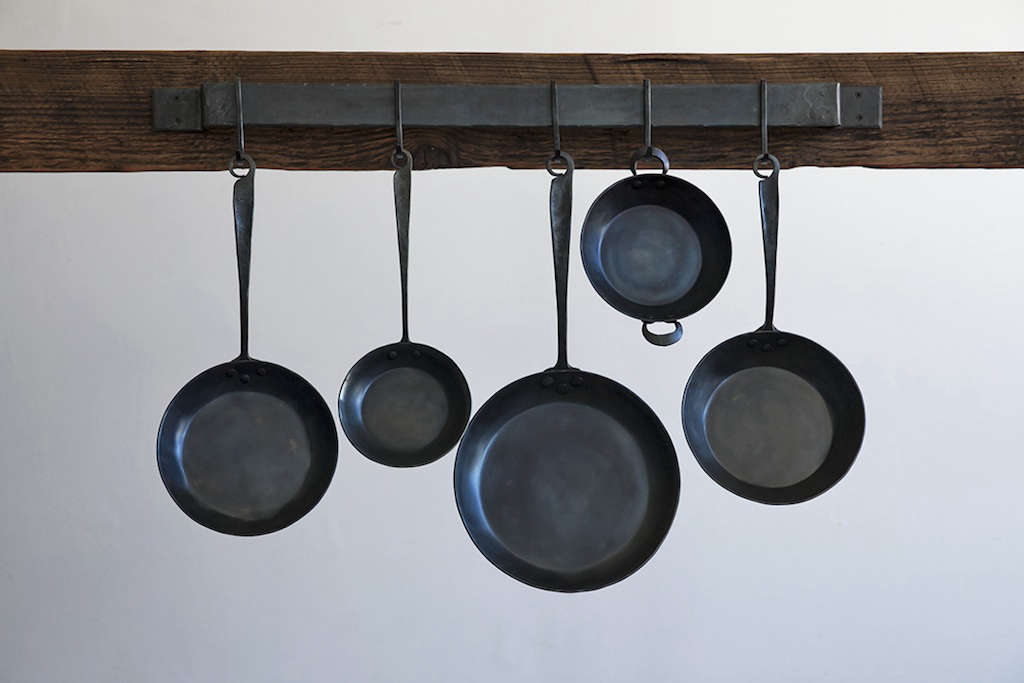

Blu Skillet’s fry pans are the kind of cookware that make people say things like, “I only came here for a pan,” and then leave emotionally attached to a piece of forged steel. Handmade by Blu Skillet Ironware, a small Seattle studio known for blue carbon steel cookware, these pans sit in that delicious middle ground between kitchen tool and functional art. They are not mass-market nonstick pans wearing a fancy outfit. They are hand-forged carbon steel fry pans made for cooks who enjoy heat, seasoning, patina, and the tiny thrill of using something that looks like it could survive both brunch and a minor kitchen apocalypse.
At their core, Blu Skillet fry pans are built around a classic idea: a great pan should cook beautifully, age gracefully, and feel personal the more you use it. Carbon steel has long been loved by restaurant cooks because it heats quickly, handles high temperatures, develops a naturally slick seasoned surface, and is easier to maneuver than traditional cast iron. Blu Skillet adds another layer to that appeal by making each pan by hand, giving it a blue-black finish, a long forged handle, and a look that says, “Yes, I can fry eggs, but I also deserve to be hung on the wall.”
What Makes Blu Skillet’s Fry Pans Different?
The biggest difference is process. Blu Skillet Ironware is not a giant cookware company stamping out anonymous pans by the thousands every hour. It is a small studio founded by Patrick Maher and Caryn Badgett, combining blacksmithing, design, and practical cooking. Their pans are made from carbon steel, an iron-based material that behaves somewhat like cast iron but is generally smoother, less porous, and more responsive on the stove.
That matters because a fry pan is not just a flat thing you put food in. It is a heat management tool. A good fry pan needs to preheat properly, hold enough heat to sear, release food when seasoned, and recover quickly when cold ingredients hit the surface. Blu Skillet’s fry pans are designed for that kind of daily work: eggs in butter, steak with a proper crust, potatoes that actually brown instead of politely steaming, and vegetables that pick up color before they surrender into softness.
The Blue Finish Is Not Just for Drama
The “Blu” in Blu Skillet comes from the blue iron oxide layer created by heat treatment. This gives the pans their signature color when new and helps act as a natural rust deterrent. The pans are also preseasoned, traditionally with organic virgin coconut oil, so they arrive with a head start. That does not mean they behave exactly like a brand-new PTFE nonstick pan. Carbon steel is more like a cast iron skillet with ambition: it needs a little care, but it rewards you by getting better over time.
As you cook, the original blue tone will darken. This is not damage. It is patina, the cookware version of laugh lines. The more you use the pan, the more its surface develops character and a naturally stick-resistant layer. In other words, your pan will not stay showroom-perfect, and that is the point. A spotless carbon steel pan is usually a pan that has not had enough fun yet.
Sizes, Pricing, and Buying Reality
Blu Skillet’s official fry pan lineup includes several sizes, commonly listed from 7 inches to 13 inches. The smaller sizes are useful for single eggs, toasting spices, warming tortillas, or making a personal grilled cheese that you definitely do not have to share. Mid-size pans, such as 9- and 10-inch versions, are everyday workhorses for eggs, fish, vegetables, and smaller portions of meat. The 13-inch pan is the big personality in the room, ideal for family portions, searing multiple pieces of protein, or cooking enough potatoes to make everyone suddenly appear in the kitchen.
Current official pricing places Blu Skillet’s fry pans in premium territory, with prices increasing by size. That is important for shoppers to understand. These pans are not meant to compete with budget carbon steel skillets from big-box stores. They are artisan cookware, made in limited quantities, sold directly, and often available through online sales, lotteries, or studio events. The scarcity is real, and so is the appeal. For some buyers, the limited availability makes the pans feel special. For others, it may feel like trying to buy concert tickets for a very talented frying pan.
How Blu Skillet Fry Pans Cook
The real test of any pan is not how poetic it looks on Instagram. It is what happens when the butter hits the surface. Blu Skillet’s fry pans are made for high-heat cooking, browning, searing, and sautéing. The low, sloped sides help moisture evaporate, which is exactly what you want when cooking foods that need color. If mushrooms are crowded into a deep pan, they can sulk in their own liquid. In a wider carbon steel fry pan, they have a better chance of browning like responsible adults.
Carbon steel is especially useful for foods that benefit from a hot surface: steak, pork chops, smashed burgers, crispy potatoes, blistered green beans, fried eggs, and crepes. Once seasoned well, the surface can release delicate foods surprisingly well. The trick is patience. Preheat the pan, use enough fat, and let food cook until it naturally releases. If you throw a cold egg into a barely warm pan and poke at it like a detective, it will punish you. Carbon steel likes confidence.
Compared With Cast Iron
Cast iron is beloved for heat retention, durability, and old-school charm. Carbon steel offers many of the same strengths but usually with a smoother surface and a lighter, more maneuverable feel. Blu Skillet’s forged construction also gives the pan an elegant profile that feels less bulky than many cast iron skillets. For cooks who love cast iron flavor and browning but wish their skillet were easier to lift, carbon steel can feel like the practical upgrade.
That said, carbon steel is not magic. It can develop hot spots if heated too quickly, and it can warp if abused. Blu Skillet specifically recommends avoiding sudden temperature shock, such as running a hot pan under cold water. Treat it with basic respect, and it will probably outlast several generations of trendy countertop appliances.
Compared With Nonstick
Traditional nonstick pans are convenient, especially for eggs and pancakes, but their coatings wear down over time. Carbon steel takes the opposite path: it starts with a learning curve and improves with use. A well-seasoned Blu Skillet fry pan can become wonderfully slick, but it will never be as maintenance-free as a disposable-feeling nonstick skillet. You should not soak it overnight, put it in the dishwasher, or scrub away the seasoning every time dinner gets dramatic.
The trade-off is longevity. A carbon steel pan does not rely on a delicate synthetic coating. If the seasoning gets damaged, you can rebuild it. If food sticks, you can clean, dry, oil, and continue. That makes Blu Skillet fry pans attractive to cooks who want durable cookware with a lower-waste mindset and a more traditional cooking feel.
How to Season and Care for Blu Skillet’s Fry Pans
Blu Skillet’s fry pans arrive with a preseasoned foundation, but owners should continue building the seasoning. The first step is simple: wash the pan with mild soap before first use, dry it thoroughly, then cook with fat. Early meals matter. Roasting or frying potatoes, cooking bacon, sautéing onions, and making grilled sandwiches can all help strengthen the seasoning layer.
For daily cooking, preheat gradually. Carbon steel does not love being blasted on maximum heat while empty. Start lower, let the metal warm evenly, then increase the heat as needed. Add oil or butter before food goes in. If food sticks, resist the urge to panic. Often the pan was not hot enough, the food was moved too soon, or the seasoning still needs time to develop.
Cleaning Without Overthinking It
After cooking, wipe the pan clean or wash it with hot water. A little mild soap is acceptable when needed, especially if the pan is greasy or messy, but avoid harsh scrubbing that strips seasoning unnecessarily. Dry the pan thoroughly on the stove for a few minutes, then apply a very thin layer of oil while it is still warm. Think “barely there,” not “spa treatment.” Too much oil can become sticky.
For stuck-on bits, a salt scrub can help. Warm the pan, add a little oil and kosher salt, gently rub the surface, discard the salt, and wipe clean. This method polishes the pan without treating it like a crime scene. Avoid soaking, dishwashers, and sudden cold-water shocks. Also be careful with acidic foods like tomato sauce, vinegar-heavy reductions, or citrus-based dishes, which can strip seasoning. Carbon steel can handle many things, but it does not want to become your spaghetti sauce cauldron.
Best Uses for Blu Skillet’s Fry Pans
A Blu Skillet fry pan shines when food needs direct heat and browning. For breakfast, it can handle fried eggs, omelets, hash browns, sausage, and pancakes once the seasoning is mature. For lunch, it is excellent for quesadillas, grilled cheese, reheating pizza, or crisping leftover rice. For dinner, it can sear steak, brown chicken thighs, fry fish, sauté vegetables, and finish dishes in the oven.
The visual appeal also makes it a natural stovetop-to-table piece. Some pans do the cooking and then get hidden in the sink like evidence. Blu Skillet pans look good enough to serve from, especially when filled with roasted vegetables, crispy potatoes, or a rustic skillet dessert. Just warn guests that the handle may be hot. Nothing ruins artisan cookware romance like someone learning thermal conductivity the hard way.
Who Should Buy Blu Skillet’s Fry Pans?
Blu Skillet fry pans are best for cooks who appreciate craft, longevity, and the ritual of maintaining cookware. They are ideal for people who already enjoy cast iron or carbon steel and want a handmade piece with more personality than a factory pan. They also make sense for design-conscious kitchens where tools are visible, used often, and expected to look beautiful while working hard.
They may not be the best choice for someone who wants zero maintenance. If you want to scramble eggs without preheating, toss the pan in the dishwasher, and forget about drying it, carbon steel will not be your happiest match. A Blu Skillet pan asks for a small relationship: heat it thoughtfully, cook with fat, clean it by hand, dry it fully, and let the patina grow. In return, it gives you a pan that can become more useful and more personal every year.
Practical Buying Tips
If you are choosing your first Blu Skillet fry pan, the 9- or 10-inch size is usually the most versatile for everyday home cooking. It is large enough for eggs, fish fillets, vegetables, and small cuts of meat, but not so large that it becomes awkward. If you regularly cook for a family, the 13-inch pan offers more room, though storage and burner size become more important. A pan that overhangs a small burner may heat unevenly, so matching pan size to your stove matters.
Because Blu Skillet produces limited quantities, buyers should pay attention to official sale announcements and availability updates. These pans can sell out quickly, and the company does not operate like a typical retailer with endless inventory. That scarcity is part of the brand’s story, but it also means patience may be required. Think of it as cookware courtship: slightly inconvenient, oddly exciting, and likely to produce strong feelings.
Experiences With Blu Skillet’s Fry Pans: What Cooking With One Feels Like
The first experience many people have with a Blu Skillet fry pan is visual. Before the first egg, before the first sear, there is the moment of holding it. The pan feels crafted rather than manufactured. The handle has a hand-worked quality, the surface has depth, and the blue-black finish gives it a moody elegance that ordinary cookware rarely manages. It looks like something from a professional kitchen, a farmhouse, and an art studio all at once.
Cooking with one is a slow friendship. On day one, the pan may not behave like a mature nonstick skillet. Eggs may need extra butter. Potatoes may test your patience. Fish may require a confident spatula and a deep breath. But after repeated use, the pan begins to change. The surface darkens. The seasoning becomes more even. Foods that once clung stubbornly begin to release. It is satisfying in a way that button-pushing appliances are not. You are not just using the pan; you are improving it.
One of the most enjoyable experiences is cooking simple food. A Blu Skillet fry pan turns humble ingredients into tiny kitchen victories. A fried egg with crisp edges feels special. A grilled cheese develops an even golden crust. Thin slices of zucchini pick up color fast. Chicken skin browns with the kind of confidence that makes you briefly consider narrating your own cooking show. The pan encourages you to pay attention: to heat, fat, timing, and sound. When butter stops foaming, when potatoes stop sticking, when steak releases from the surface, the pan teaches you what is happening.
The care routine also becomes part of the experience. At first, drying and oiling the pan may feel like extra work. After a while, it becomes a small closing ritual. Wipe, rinse, dry on the burner, add a whisper of oil, and admire the patina like a person who has definitely become emotionally invested in cookware. That may sound dramatic, but anyone who loves a good pan understands. Some kitchen tools are replaceable. Others become part of how you cook.
There are quirks. The handle can get hot. The pan should not be shocked with cold water. Acidic sauces can undo some seasoning. It is not a pan for neglectful soaking or dishwasher shortcuts. But those limitations are easy to accept when the reward is a durable, beautiful, high-performance skillet that feels alive in the kitchen. Blu Skillet’s fry pans are not for every cook, and that is exactly why they have such a loyal following. They are for people who want their cookware to have a story, a surface that changes, and a personality stronger than the average kitchen drawer can handle.
Final Verdict: Are Blu Skillet’s Fry Pans Worth It?
Blu Skillet’s fry pans are worth considering if you value handmade craftsmanship, long-term durability, and the performance of carbon steel. They are premium pans with premium pricing, limited availability, and a maintenance routine that rewards engaged cooks. For the right person, that combination is not a drawback; it is the whole charm.
If your ideal pan is cheap, instantly slippery, and dishwasher-safe, this is probably not your skillet soulmate. But if you want a hand-forged carbon steel fry pan that can sear, sauté, fry, darken, season, and become more beautiful with use, Blu Skillet deserves a serious look. It is cookware with a pulse: practical enough for weeknight eggs, handsome enough for open shelving, and sturdy enough to become the pan someone argues over inheriting someday.