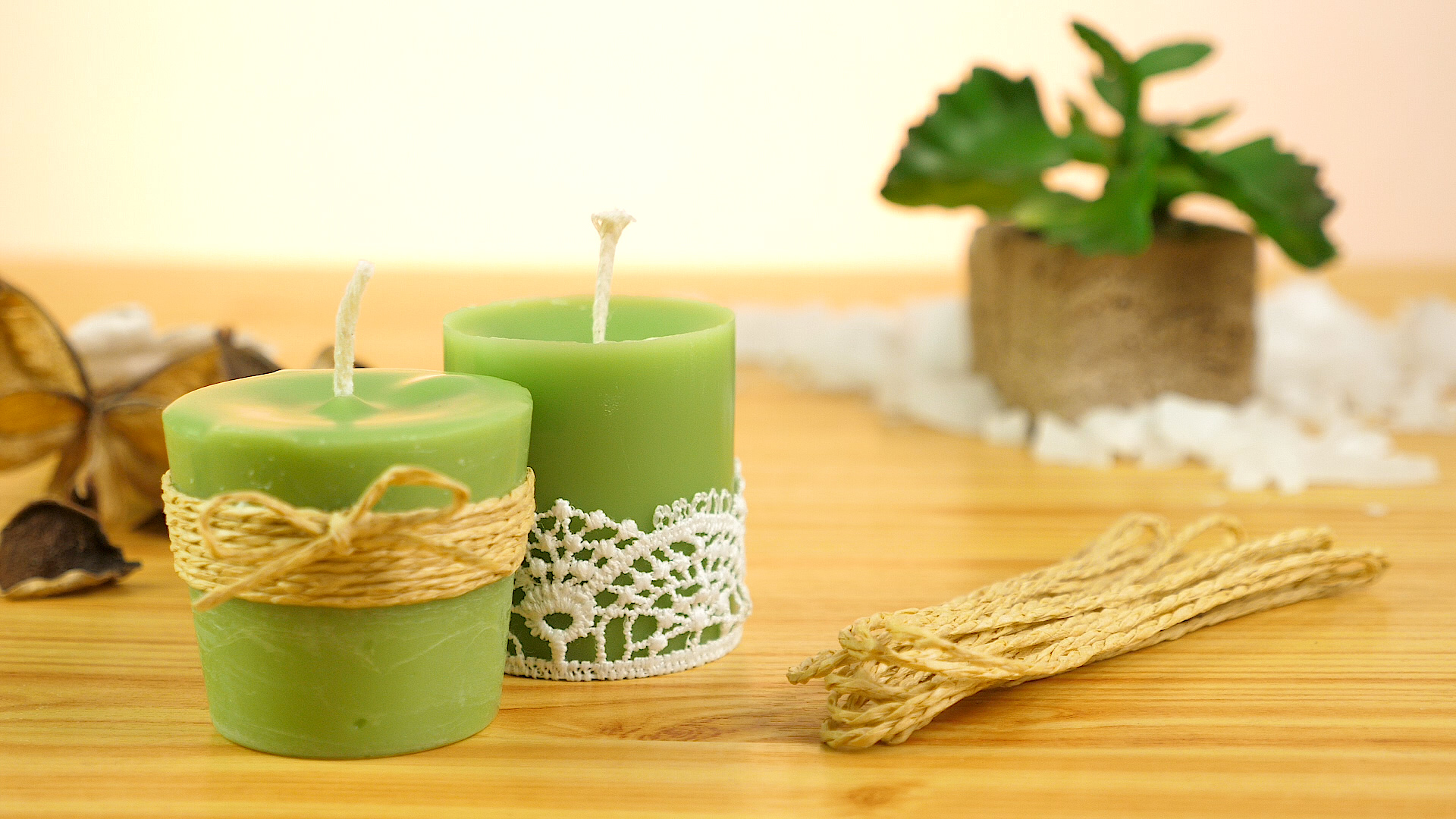

Old candles are like that one sock without a partner: technically not useful in their current condition, yet strangely hard to throw away. Maybe there is a half-inch of wax clinging to the bottom of a pretty glass jar. Maybe the wick gave up before the scent did. Maybe you bought a “fresh linen” candle that now smells like “laundry room with ambition.” Whatever the case, those leftovers still have value.
Learning how to make the most from your old candles is a practical, budget-friendly, and surprisingly satisfying way to reduce waste. Instead of tossing candle jars, wax scraps, and almost-finished candles into the trash, you can reuse them as new candles, wax melts, drawer fresheners, decorative accents, organizers, mini planters, and more. The trick is knowing what is safe, what is worth saving, and what belongs in the bin with yesterday’s takeout containers.
This guide walks you through 13 simple steps to repurpose old candles without turning your kitchen into a wax-themed crime scene. You will learn how to remove leftover candle wax, clean candle jars, reuse candle containers, refresh your home with wax scraps, and avoid common mistakes. Let’s rescue those sad little candle stubs and give them a second act worthy of applause.
Why Reuse Old Candles Instead of Throwing Them Away?
Old candles often leave behind more usable material than people realize. A jar candle may stop burning because the wick is too short, not because all the wax is gone. That leftover wax can often be melted down and used again. The container may also be useful once it is cleaned properly. Many candle jars are sturdy, attractive, and just begging to hold cotton swabs, pens, makeup brushes, craft supplies, matches, or tiny plant cuttings.
Repurposing candles also supports a more sustainable home routine. You get more value from something you already bought, reduce household waste, and avoid buying extra storage containers. In other words, your old candle may not be finished; it may simply be waiting for a career change.
How to Make the Most from Your Old Candles: 13 Steps
1. Gather Your Old Candles and Sort Them
Start by collecting all your used candles in one place. Sort them by scent, wax color, container type, and condition. This step matters because not every candle should be reused the same way. A lightly scented vanilla wax may blend nicely with another warm fragrance, while lavender mixed with pumpkin spice could smell like a confused spa inside a pie shop.
Separate clean wax from dirty wax. Remove obvious debris such as burned wick pieces, match fragments, dust, or pet hair. If a candle jar is cracked, chipped, or heat-damaged, do not reuse it for burning. It may still work as a decorative holder, but it should not be used for a new candle.
2. Follow Basic Candle Safety Before You Begin
Before melting, scraping, or relighting anything, remember that candles involve heat, glass, wax, and flame. That is not a horror movie cast list, but it does deserve respect. Work on a stable, heat-resistant surface. Keep paper towels, curtains, loose clothing, pets, and curious little siblings away from the work area.
When burning candles, trim the wick to about one-quarter inch before each use, place candles on a sturdy surface, and keep them away from anything that can burn. Never leave a lit candle unattended. If you leave the room, blow it out. A candle should make your home smell cozy, not introduce your smoke alarm to its big solo performance.
3. Remove Leftover Wax with the Freezer Method
The freezer method is one of the easiest ways to remove leftover wax from a candle jar. Place the candle in the freezer for several hours or overnight. As the wax gets cold, it shrinks slightly and may pull away from the glass. Once frozen, use a butter knife or spoon to gently loosen the wax. Often, the wax pops out in one satisfying chunk.
This method works especially well for harder waxes and small amounts of residue. Do not force the wax aggressively, especially in thin glass containers. If it does not loosen, let the jar come back to room temperature and try another method. Candle jars are useful; shattered candle jars are just glitter with consequences.
4. Use Hot Water to Lift Wax Safely
Another popular method is the hot water technique. Place the candle jar on a protected surface, then pour hot water into the jar, leaving a little room at the top. The wax will soften, melt, and float upward. After the water cools completely, the wax usually hardens into a disk that you can lift out.
Important: do not pour waxy water directly down the drain. Wax can harden in pipes and cause clogs. Strain out any wax pieces first, discard unusable bits in the trash, and wipe the jar with a paper towel before washing it. Your plumbing did not sign up to become a candle.
5. Try the Double Boiler Method for Stubborn Wax
For stubborn candle wax, use a double boiler approach. Place the candle jar in a pot with a few inches of gently simmering water, making sure water does not splash into the jar. The indirect heat softens the wax slowly, allowing you to pour it into a disposable container or remove it with care.
This method is especially useful for soy wax and softer candle blends. Keep the heat low and never leave melting wax unattended. Use oven mitts when handling warm glass. If the jar has labels, metal decorations, or unknown materials, remove what you can before heating.
6. Clean Candle Jars Thoroughly
Once the wax is removed, clean the candle jar with warm water, dish soap, and a sponge. For soot marks, use a small amount of baking soda paste or a gentle scrubber. For sticky label residue, a little cooking oil, adhesive remover, or rubbing alcohol can help, depending on the jar material.
Let the container dry completely before reusing it. If a scent remains, air it out for a day or two. Some candle jars hold fragrance like they are protecting state secrets, so be patient. Avoid using old candle jars for food storage unless you are absolutely sure all wax, fragrance, dye, soot, and adhesive residue are gone. Even then, decorative or organizational use is usually the smarter choice.
7. Combine Similar Wax Scraps
After removing leftover wax, group scraps by scent family and color. Warm scents such as vanilla, amber, cinnamon, and sandalwood often blend well. Fresh scents such as cotton, linen, citrus, and eucalyptus can also work together. Floral scents can be lovely, but mix too many and you may accidentally create “grandma’s perfume drawer after a thunderstorm.”
For the best result, avoid combining highly different fragrances. Also remove wick tabs, burnt wick pieces, and dirty sections before melting wax scraps. Clean wax gives cleaner results and a better scent throw.
8. Make a New Layered Candle
One of the best ways to reuse old candle wax is to create a new layered candle. Melt one scent or color at a time using gentle indirect heat. Place a new wick in a clean, heat-safe candle container. Pour the first layer of melted wax and let it cool before adding the next layer. Repeat until the jar is filled to a safe level.
Use only containers designed to handle candle heat. Not every pretty glass jar is safe for a flame. Thin glass, cracked glass, and mystery containers should be used for non-burning projects instead. Choose the correct wick size for the container diameter. A wick that is too large can create too much heat, while a wick that is too small may tunnel and waste wax.
9. Turn Leftover Wax into Wax Melts
If you do not want to deal with wicks, turn old candle wax into wax melts. Melt the wax gently, then pour it into a silicone mold, mini muffin liner, or heat-safe mold. Once hardened, the pieces can be used in a wax warmer.
This is a great option for wax from candles with broken or buried wicks. It also lets you enjoy fragrance without an open flame if you use an electric warmer properly. Keep wax warmers on stable surfaces and follow the manufacturer’s instructions. Wax melts may be small, but they still deserve grown-up supervision and common sense.
10. Use Candle Wax to Freshen Small Spaces
Small pieces of scented wax can freshen drawers, closets, linen cabinets, or storage bins. Place clean wax chunks in a breathable fabric pouch, small bowl, or open container. Do not place loose wax directly on clothing, wood, paper, or delicate surfaces because oils and dyes can stain.
This works especially well with leftover lavender, cedar, clean linen, vanilla, and citrus scents. The fragrance will be subtle, not room-filling. Think of it as a quiet background singer, not a Broadway lead.
11. Repurpose Candle Jars as Home Organizers
Clean candle jars are excellent organizers. In the bathroom, they can hold cotton balls, cotton swabs, hair ties, bath salts, or makeup brushes. On a desk, they can organize pens, binder clips, rubber bands, and charging cords. In a craft area, they can store buttons, beads, thread, paintbrushes, or tiny tools that otherwise disappear into the household Bermuda Triangle.
Matching candle jars can make shelves look more polished. Different jars can create a charming collected look. Add labels if you want a tidy pantry-style effect, but keep non-food items inside unless the jar is completely safe and clean for food use.
12. Transform Candle Containers into Decor
Old candle containers can become mini vases, propagation jars, succulent planters, tealight holders, or seasonal displays. Fill a clean jar with pebbles and a small plant cutting, or use it to hold dried flowers. Decorative tins can store matches, sewing supplies, or small keepsakes.
If using a candle jar as a planter, add drainage materials or use it as a cachepot with a nursery pot inside. Most candle jars do not have drainage holes, and plants dislike soggy roots almost as much as people dislike stepping on a LEGO.
13. Know When to Let an Old Candle Go
Not every old candle deserves a second life. Toss wax that smells rancid, contains lots of debris, has been contaminated, or came from a candle that burned strangely. Do not reuse a cracked container for a new candle. Do not continue burning a candle when only a tiny amount of wax remains at the bottom, because the container can overheat.
Repurposing is smart, but safety is smarter. The goal is to reduce waste and enjoy your candles longer, not to audition for a home insurance commercial.
Creative Ideas for Old Candle Wax
Once you know how to remove and clean old candle wax, the possibilities open up quickly. You can make custom wax melts for different rooms, create small votive candles, refresh drawers with scented wax pouches, or save scraps until you have enough for a larger project. The easiest projects are usually the best: wax melts, decorative jars, and storage containers require minimal supplies and deliver quick results.
For a personalized touch, combine wax scraps by season. Use cozy scents like cinnamon, clove, vanilla, and amber for fall and winter. Save citrus, mint, coconut, or floral wax for spring and summer. Label your wax bags so you do not accidentally mix “holiday bakery” with “ocean breeze.” That combination sounds like a beach house where someone burned cookies.
Common Mistakes to Avoid When Reusing Candles
Overheating Wax
Wax should be melted gently. High heat can discolor wax, reduce fragrance quality, or create safety risks. Use indirect heat whenever possible and stay nearby while wax is warming.
Pouring Wax Down the Drain
Never rinse melted wax into the sink. It can cool, harden, and clog pipes. Wipe wax residue with paper towels and throw solid wax scraps in the trash if they cannot be reused.
Using the Wrong Wick
If you make a new candle, wick size matters. A wick that is too small may tunnel; a wick that is too large may burn too hot. When in doubt, use the wax as melts instead of making a new burning candle.
Reusing Unsafe Containers
Only use heat-safe candle containers for new candles. Decorative jars, drinking glasses, and thin glass containers may not tolerate candle heat. If you are unsure, use the container for storage or decoration instead.
Extra Experience: What I Learned from Reusing Old Candles at Home
The first time I tried to reuse old candles, I was wildly overconfident. I looked at a tray full of nearly empty candle jars and thought, “How hard can this be?” Famous last words, right up there with “I don’t need to measure” and “This hot glue will probably not touch my finger.”
My first lesson was that patience matters. I tried scraping wax from a jar before freezing it, and the wax fought back like it had signed a long-term lease. After a night in the freezer, though, the same wax popped out with almost no effort. That was the moment I realized candle recycling is less about muscle and more about method.
The second lesson was that scent mixing is an art, not a dumping ground. I once combined leftover peppermint, vanilla, rose, and smoky cedar wax. Individually, those candles were lovely. Together, they smelled like a candy cane got lost in a flower shop during a campfire. Since then, I group wax scraps by scent family. Sweet goes with sweet, fresh goes with fresh, woody goes with woody, and mystery wax goes into the “maybe never” pile.
I also learned that candle jars are more useful than I expected. A cleaned amber jar became a holder for makeup brushes. A small ceramic candle cup now holds paper clips on my desk. A wide glass jar became a tiny plant propagation container. These little upgrades made my shelves look organized without buying new storage. That is the kind of domestic victory that deserves a tiny parade, preferably one with snacks.
The best results came from wax melts. They are forgiving, simple, and do not require choosing the perfect wick. I melted similar wax scraps, poured them into a silicone mold, and ended up with neat little cubes that worked beautifully in a warmer. No tunneling, no wick drama, no flame. For beginners, wax melts are the easiest win.
One experience also taught me when to stop. I had a candle jar with a hairline crack that I almost reused because it was pretty. Then common sense tapped me on the shoulder and said, “Absolutely not.” I cleaned it and used it as a pencil cup instead. It still looked great, and nobody had to explain to the smoke detector what happened.
Reusing old candles is rewarding because it turns small leftovers into practical objects. You do not need a full craft room, expensive tools, or advanced skills. You only need a careful approach, a little creativity, and the willingness to accept that not every wax scrap is destined for greatness. Some become wax melts. Some become drawer fresheners. Some become trash. That is fine. Sustainability works best when it is realistic.
My favorite habit now is keeping a small labeled bag for clean wax scraps. When a candle is finished, I remove the wax, clean the container, and decide immediately whether the wax is worth saving. This prevents clutter from growing in the name of “future projects.” Reuse should make your home better, not turn one cabinet into a candle retirement village.
In the end, old candles are not just leftovers. They are little opportunities. With the right steps, a candle that once seemed finished can become a new scent, a useful jar, a pretty vase, or a tidy desk accessory. That is a pretty good comeback story for something that used to sit at the bottom of a glass cup looking sad.
Conclusion
Making the most from your old candles is a simple way to save money, reduce waste, and add a little creativity to your home. Start by sorting your candles, removing wax safely, cleaning the jars, and choosing the right reuse method. Some wax scraps are perfect for new candles or wax melts. Some jars become stylish organizers, vases, or planters. And some pieces should simply be discarded safely.
The secret is balance: reuse what is clean and safe, avoid risky shortcuts, and do not force every candle into a second life if it is clearly ready to retire. With these 13 steps, your old candles can go from forgotten shelf clutter to useful home upgrades. Not bad for something that used to just sit there smelling like vanilla.