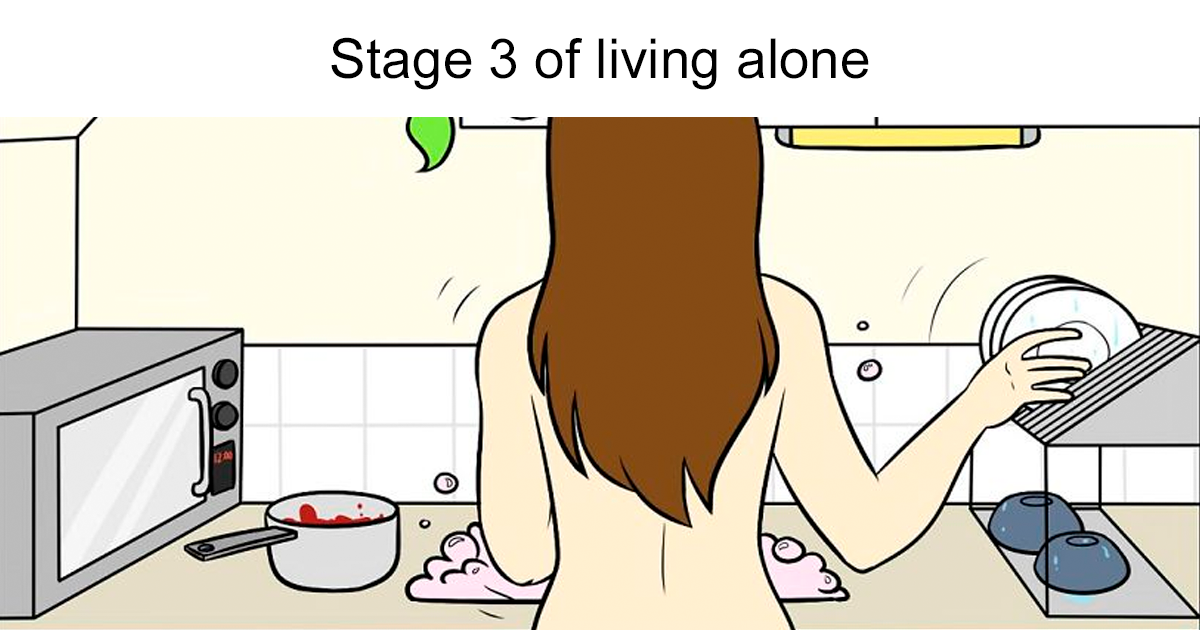

Love is not always candlelight, dramatic airport reunions, and perfectly folded laundry. Sometimes love is stealing the blanket at 2 a.m., making a face so weird your partner questions the future, or turning a tiny domestic misunderstanding into a full-blown cartoon opera. That is exactly the charming territory explored by Julie, the Danish artist behind In Your Face Cake Comics, whose silly, honest, and delightfully awkward drawings turn everyday couple life into laugh-out-loud webcomics.
The appeal of these 30 new silly comics is simple: they do not try to make relationships look polished. Instead, they celebrate the small, ridiculous moments that happen when two people share space, snacks, moods, pets, hobbies, and occasionally one brain cell. Julie’s comics are funny because they feel real. They are not about perfect romance; they are about the comedy of being known too well by another human being.
In a digital world full of glamorous couple photos and aggressively photogenic brunch plates, these comics feel like a refreshing little cartoon sneeze. They remind readers that intimacy often lives in the unfiltered details: sleepy conversations, inside jokes, weird habits, dramatic reactions to minor inconveniences, and the sacred battle for couch territory.
Who Is Julie, the Artist Behind In Your Face Cake Comics?
Julie is best known online for her comic series In Your Face Cake Comics. Earlier public features introduced her as a Danish artist who draws inspiration from her everyday life, especially her relationship with her boyfriend. Her work has also expanded into comics about friendships, creative struggles, and life with her cat, Panini, who appears to have the natural stage presence of a small furry chaos manager.
What makes Julie’s style memorable is not just the subject matter, but the attitude. Her comics often begin with ordinary situations and then push them into playful exaggeration. A tiny awkward moment becomes a visual gag. A casual comment becomes a miniature emotional weather system. A silly facial expression becomes, somehow, the whole plot.
Julie has described many of her ideas as coming from her own silliness and everyday behavior. That self-mocking spirit is essential to the comics. She does not position herself as the wise narrator observing everyone else’s flaws. She happily throws herself into the joke, wearing the metaphorical clown shoes with confidence. That is why the humor feels generous instead of mean.
Why These Relationship Comics Feel So Relatable
The best relationship comics do not need grand drama. They need recognition. A reader should be able to look at one panel and think, “Unfortunately, yes, that is me.” Julie’s comics do this beautifully by focusing on the tiny rituals of couple life: teasing, sharing space, miscommunicating, being dramatic over small problems, and finding comfort in someone who has already witnessed your strangest version and stayed anyway.
1. They Turn Ordinary Couple Life Into Comedy
Most couples do not spend their days making cinematic speeches in the rain. They ask what to eat, forget where they put things, accuse each other of blanket crimes, and communicate through noises that would confuse a professional linguist. Julie’s comics understand that domestic life is already funny if you look at it from the right angle.
By illustrating these moments, she gives everyday life a punchline without making it feel fake. The humor comes from recognition, not from forced jokes. It is the kind of comedy that sneaks up on readers because it looks suspiciously like their own living room.
2. The Boyfriend Dynamic Feels Playful, Not Perfect
One reason the comics work is that the relationship does not feel like an advertisement for romance. It feels lived-in. Julie and her boyfriend are often shown as two people navigating each other’s habits, moods, and weird little behaviors. The result is warm, funny, and occasionally absurd.
This is where the comics become more than cute drawings. They show that closeness can be silly. In fact, silliness may be one of the clearest signs that people feel safe with each other. When you can be ridiculous around someone without constantly editing yourself, the relationship becomes a comedy club with shared rent.
3. Self-Deprecating Humor Makes the Comics More Human
Julie’s willingness to make fun of herself gives the comics their sparkle. She often presents herself as awkward, dramatic, goofy, or wonderfully unreasonable in the way all humans are occasionally unreasonable. This makes her art feel honest. Readers are not asked to admire a flawless artist-character; they are invited to laugh with someone who already knows she is being ridiculous.
That matters because self-deprecating humor, when done kindly, creates connection. It says, “I know I am a mess sometimes. You too? Excellent. Welcome to the club. Snacks are on the left.”
The Art Style: Simple, Expressive, and Built for the Internet
Julie’s comics use a clean, expressive style that works perfectly for quick online reading. The characters are easy to recognize, the emotions are clear, and the punchlines land fast. This is important for webcomics, where readers often scroll through content quickly on phones.
Her process has been described as digital, with sketches and separate layers for characters, hands, backgrounds, objects, and other details. That layered method helps the final comics look simple while still being carefully built. In other words, the art may look breezy, but the work behind it is not just “draw funny face, post, become internet wizard.”
The charm lies in how much expression she can pack into a pose, an eyebrow, or a sudden shift in body language. Many of the funniest moments in relationship comics happen before a character says anything. A stare, a slump, or an over-the-top reaction can do the heavy lifting.
Why Silly Comics Thrive on Social Media
Relationship comics are practically designed for platforms like Instagram because they are visual, fast, and highly shareable. Readers can understand the joke in seconds, tag a partner, and start a conversation with one dangerous sentence: “This is us.”
That social sharing loop is powerful. A comic about couple habits does not just entertain one reader; it becomes a little mirror passed between friends, partners, roommates, and anyone who has ever argued about food, blankets, pets, chores, or personal space.
Julie’s comics also fit into a larger trend of creators using personal experience as creative fuel. Instead of inventing elaborate fantasy worlds, many modern webcomic artists mine the absurdity of daily life. The result is a form of storytelling that feels immediate and intimate. It is art made from the stuff people usually forget: tiny jokes, awkward pauses, bad moods, and the strange poetry of sharing a home.
The Hidden Strength of “Silly” Art
Calling these comics silly is accurate, but it should not be mistaken for shallow. Silly art can be deeply effective because it lowers the emotional drawbridge. A reader may not click on a long essay about communication in relationships, but they will absolutely stop for a comic where someone behaves like a gremlin over snacks.
Humor can make everyday frustrations easier to recognize. It can soften conflict, turn embarrassment into connection, and help people admit, “Yes, I do that too.” That is why these comics feel comforting. They are not trying to solve every relationship problem. They are saying that imperfection is normal, and sometimes the best response is to laugh before the dishwasher argument becomes a courtroom drama.
Common Themes in the 30 New Silly Comics
While each comic has its own joke, Julie’s work often circles around several recurring themes that fans of relationship comics instantly recognize.
Comfort Versus Chaos
Living with someone means building routines, but routines are rarely smooth. One person wants peace; the other brings chaos, sound effects, strange questions, or a cat. Julie’s comics often find humor in the gap between wanting a calm life and being the reason calm is unavailable.
Inside Jokes as Relationship Glue
Many couples have jokes that make no sense to outsiders. Julie’s comics capture that private language. A strange phrase, a repeated bit, or a ridiculous reaction can become part of a couple’s shared culture. It may look silly from the outside, but inside the relationship, it is emotional furniture.
Pets as Tiny Household Dictators
With Panini the cat appearing in Julie’s broader comic universe, the household dynamic gains another layer. Pets are excellent comic characters because they have strong opinions, no rent obligations, and the confidence of ancient royalty. In relationship comics, a pet often becomes the third roommate who silently controls the plot.
Creative Burnout and Everyday Inspiration
Julie has also spoken about how creative work can be draining when many things are happening at once. That honesty adds depth to the comics. Behind every simple strip is an artist who has to notice the idea, shape the joke, draw the panels, edit the details, and release it into the wild internet jungle, where someone may laugh, share it, or crop out the credit like a goblin with Wi-Fi.
Why Readers See Themselves in Julie’s Comics
The strongest webcomics often feel specific and universal at the same time. Julie’s comics are clearly drawn from her own life, but the emotions are familiar to many readers. The exact situation may be different, but the feeling is recognizable: being dramatic, being adored anyway, teasing someone you love, wanting attention, needing space, or realizing the cat is now in charge.
This is why the comics travel well online. They do not require long explanations. They work across cultures because the basic comedy of human relationships is widely understood. People everywhere know the strange math of living with another person: two toothbrushes, one blanket, three opinions about dinner, and zero certainty about who moved the remote.
What Creators Can Learn From In Your Face Cake Comics
Artists, bloggers, and content creators can learn several lessons from Julie’s success. First, personal experience is valuable when it is shaped with clarity. Not every ordinary moment becomes a good comic automatically. The creator has to find the emotional hook, the visual contrast, and the punchline.
Second, a simple style can be powerful if the storytelling is strong. Readers do not need hyper-realistic detail to feel connected. They need timing, expression, and a clear idea. A well-placed awkward face can defeat a thousand decorative backgrounds.
Third, consistency of voice matters. Julie’s comics have a recognizable personality: silly, honest, self-aware, and playful. That voice is what keeps readers returning. They are not just looking for a joke; they are looking for a familiar comic world where everyday weirdness is welcomed.
Experience Section: Why These Comics Feel Like Real Couple Life
Anyone who has spent enough time around couples knows that the funniest relationship moments are rarely planned. They happen in kitchens, on couches, during errands, or in the half-awake zone where one person says something so strange that it deserves to be preserved in a museum. Julie’s comics feel true because they capture that exact energy: the tiny, ridiculous moments people usually laugh about privately.
Think about the classic couple debate over what to eat. It begins as a simple question and somehow becomes a psychological maze. One person says, “I don’t care,” which does not mean “I don’t care.” It means “I care, but I would like you to guess correctly.” The other person suggests three restaurants, all of which are mysteriously wrong. A comic artist sees this not as a failure of dinner planning, but as a tiny stage play about desire, fatigue, and fries.
Or consider the comedy of shared space. Before living closely with someone, people imagine cozy evenings and meaningful conversations. Afterward, they discover the true tests of love: who gets the good pillow, why there is a sock in that location, and how one person can occupy 78 percent of a bed while insisting they are “barely taking any room.” These are not grand romantic moments, but they are deeply recognizable. They are the little negotiations that make a relationship feel real.
Julie’s comics also tap into the joy of being weird with someone. In public, people often behave like edited versions of themselves. At home, the editing software crashes. People sing nonsense songs, invent nicknames, make dramatic announcements about snacks, and hold conversations with pets as if the pets are difficult coworkers. A good relationship comic does not mock that weirdness from above. It celebrates it from inside the blanket fort.
There is also comfort in seeing minor flaws turned into jokes. Everyone has habits that are slightly annoying, slightly funny, or both. Maybe someone forgets things constantly. Maybe someone overreacts to harmless bugs. Maybe someone becomes a different person when hungry. In real life, those habits can cause friction. In comics, they become shared laughter. That shift is powerful because it reminds readers that not every imperfection needs a dramatic soundtrack.
The best part of these silly comics is that they make ordinary love feel visible. They show that a relationship is not built only from anniversaries, vacations, and big speeches. It is built from repeated small moments: laughing at the same dumb joke, forgiving a cranky mood, rescuing someone from a spider, sharing memes from opposite ends of the couch, and accepting that your partner’s idea of “cleaning up” may involve creating several new piles with confidence.
That is why Julie’s work resonates. Her comics are not trying to be perfect portraits. They are funny little snapshots of emotional truth. They say that love can be chaotic, goofy, inconvenient, warm, and occasionally covered in cat hair. And honestly, that sounds much more believable than a flawless romance where nobody ever loses the charger.
Conclusion
Danish Artist Illustrates Life With Her Boyfriend In 30 New Silly Comics is more than a catchy title. It describes a style of storytelling that turns everyday couple life into a shared laugh. Julie’s In Your Face Cake Comics succeed because they are honest without being heavy, sweet without being sugary, and silly without being empty.
Her work reminds readers that the most relatable relationship stories often come from ordinary moments: a weird face, a dramatic reaction, a pet interruption, a private joke, or a tiny domestic battle that feels enormous for three minutes and hilarious forever afterward. In a world that often presents love as polished perfection, these comics choose something better: the beautifully ridiculous truth.
Note: This article is an original, SEO-friendly rewrite based on publicly available information about Julie and In Your Face Cake Comics, combined with broader analysis of relationship humor, webcomics, and social media storytelling.