
A seasonal celebration is not just a party with better napkins. It is a small cultural event disguised as dinner, a neighborhood market pretending to be shopping, and a creative collaboration wearing a very attractive scarf. When creatives are includedartists, designers, makers, cooks, florists, musicians, writers, ceramicists, photographers, and that one friend who can turn brown paper into gift wrap that looks suspiciously expensivethe season gains texture, story, and soul.
The beauty of A Seasonal Celebration, Creatives Included is that it shifts attention away from perfect performance and toward meaningful connection. Instead of asking, “Did I buy enough decorations?” the better question becomes, “What can we make, share, taste, remember, and laugh about together?” That tiny change transforms a gathering from a calendar obligation into a living, breathing experience.
Across the United States, seasonal events increasingly blend food, craft, local business, art, design, music, and community storytelling. Holiday markets spotlight independent makers. Museums and cultural centers host craft workshops, performances, and food traditions. Cities encourage people to shop small. Design publications celebrate homes filled with handmade details, natural materials, and tables that look lived-in rather than laser-measured. In other words, the best seasonal celebrations are no longer just about decorating the room. They are about activating it.
What Makes a Seasonal Celebration Feel Special?
A seasonal celebration feels special when it honors time. Spring brings freshness and color. Summer favors open doors, easy food, and long conversations. Fall invites texture, harvest flavors, and candlelight. Winter, naturally, arrives wearing knitwear and demanding soup, sparkle, and emotional baked goods.
But seasonality is not only about weather. It is about mood. People gather differently in December than they do in June. A winter dinner may feel intimate and reflective, while a summer evening might be loose, noisy, and full of people balancing plates on their knees. A great host does not fight the season. A great host listens to it.
The Creative Difference
Including creatives adds depth because creative people tend to notice what others rush past. A floral designer sees sculptural beauty in branches. A ceramicist understands the pleasure of a handmade bowl. A musician can change the entire atmosphere with three songs. A food maker knows that jam, bread, pickles, or oysters can carry a place’s identity more powerfully than a store-bought centerpiece ever could.
This does not mean every guest must be a professional artist. Creativity at a seasonal gathering can be wonderfully democratic. Someone can bring a handwritten recipe card. Someone else can arrange citrus slices and herbs on a platter. Another guest can make place cards, fold napkins, write a toast, or photograph the evening. The point is not prestige. The point is participation.
Why Creative Seasonal Gatherings Are Having a Moment
Modern life is convenient, but convenience has a sneaky side effect: sameness. We can order the same decorations, the same gifts, and the same scented candle called “Winter Cabin” even if the closest we have come to a cabin is watching one in a streaming thriller. Creative celebrations push back against that sameness.
People are craving experiences that feel local, handmade, and human. This is one reason artisan markets, pop-up fairs, community arts festivals, and small business shopping events continue to attract attention. They offer more than products. They offer stories. A handmade cutting board is not just a cutting board; it is wood, skill, time, and the maker’s fingerprintshopefully metaphorically, unless food safety has gone on vacation.
Seasonal gatherings that include creatives also support the broader creative economy. When people buy local art, commission flowers, hire musicians, serve regional food, or invite makers to share their work, money circulates through real communities rather than disappearing into the foggy kingdom of “add to cart.” The result is cultural as much as financial: neighborhoods become more interesting, artists become more visible, and celebrations become less disposable.
The Table as a Creative Stage
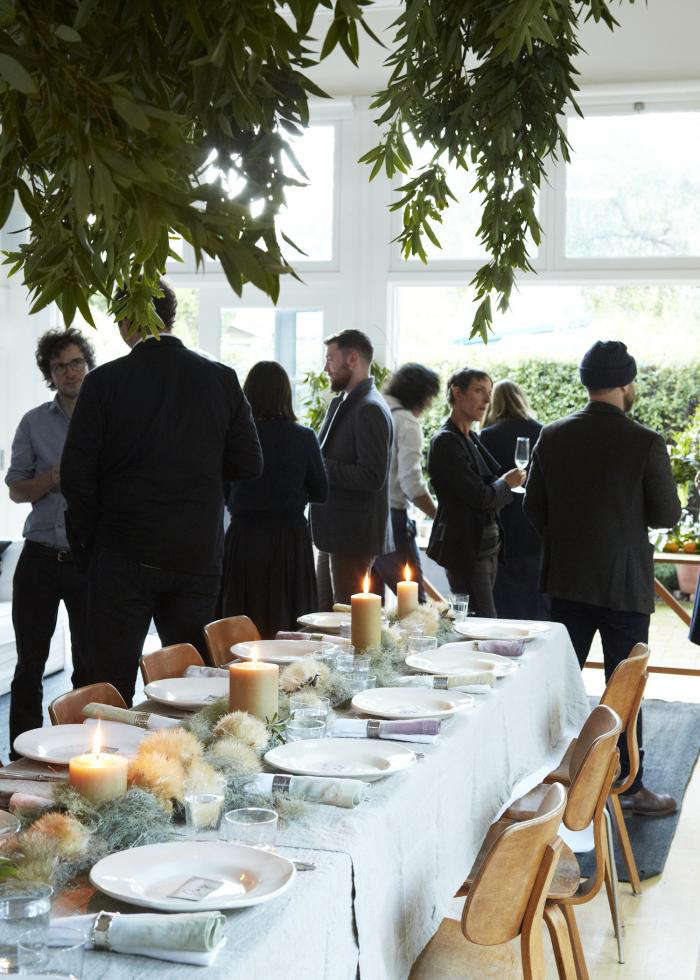
One of the easiest places to begin is the table. A table can be fancy, casual, rustic, modern, or cheerfully chaotic. What matters is intention. A seasonal table tells guests, “You were expected. You were considered. Also, please admire these napkins because someone spent twenty minutes choosing them.”
Natural materials are especially effective. Bay laurel, rosemary, eucalyptus, dried grasses, citrus, pomegranates, pinecones, gourds, mossy branches, and beeswax candles bring the outside world indoors. They also age gracefully during the evening. Unlike plastic decorations, natural elements do not scream for attention. They whisper, which is generally preferable unless your centerpiece is trying to host the party itself.
Handmade Details That Matter
Small handmade details often create the strongest memories. Dip-dyed place cards, handwritten menus, linen napkins, mismatched vintage plates, locally made candles, or ceramic salt cellars make a gathering feel personal. They do not need to be expensive. A charcoal pencil on thick paper can look more soulful than a glossy printed card. A bundle of herbs tied with twine can outperform a department-store ornament that looks like it was designed by a committee trapped in a glitter factory.
The best rule is simple: choose fewer elements, but make them meaningful. A table crowded with every seasonal object known to civilization may technically be festive, but it also leaves no room for food, elbows, or basic human confidence.
Food as the Heart of Seasonal Celebration
Food is where seasonality becomes tangible. You can talk about autumn all day, but roasted squash, apples, mushrooms, grains, and warm spices will make the point faster. Winter can arrive through oysters, citrus, braised greens, hearty salads, spiced nuts, mulled drinks, and desserts that make people briefly reconsider their entire personality.
A creative seasonal menu does not need to be complicated. In fact, complicated menus often turn hosts into exhausted stage managers. Better choices include shared platters, family-style salads, soups, breads, roasted vegetables, local cheeses, preserves, simple desserts, and one memorable drink. The goal is abundance without panic.
Local Food Builds Local Feeling
Using local food gives a celebration a sense of place. Oysters from a nearby coast, jam from a regional maker, bread from a local bakery, honey from a nearby farm, or vegetables from a farmers market make guests feel connected to where they are. A seasonal celebration should not feel like it could have been copied and pasted into any city. It should have an address, a climate, and a personality.
Inviting guests to bring something handmade or locally sourced also turns dinner into an exchange. One person may bring home-brewed liqueur. Another may bring knitted trivets, drawings, small ceramics, or a playlist. Suddenly the gathering is not only hosted by one person. It is co-authored by everyone in the room.
Creative Gift Exchanges Without the Clutter
Gift exchanges can be delightful, but they can also produce objects that begin their lives in a gift bag and end them in a donation box by February. Creative seasonal celebrations work better when gifts are thoughtful, useful, edible, experiential, or handmade.
Consider a “bring something you made” exchange. It could be a sketch, a jar of pickles, a poem, a loaf of bread, a pressed flower bookmark, a tiny painting, a candle, or a recipe. Set a low price limit if people are buying rather than making. Creativity flourishes when nobody feels pressured to perform wealth in wrapping paper.
Experience-based gifts are another smart option. A guest might offer a short performance, a song, a mini photography session, a calligraphy name card, a floral demonstration, or a quick lesson in mixing a seasonal drink. These moments become stories, and stories take up far less closet space.
How to Include Creatives Without Making It Awkward
There is a right way and a very wrong way to involve creative guests. The wrong way is inviting artists and then treating them like unpaid entertainment. Nobody wants to hear, “You brought your guitar, right?” from across the room while holding a plate of beans.
The right way is to ask gently, clearly, and respectfully. If you want a musician to play, ask ahead of time and offer payment or a meaningful exchange. If you want a maker to show work, give them space and credit. If you want guests to bring handmade items, make it optional and low-pressure. Creativity should feel like an invitation, not homework wearing a festive hat.
Give People Roles, Not Chores
Creative people often enjoy contributing when the role is specific and manageable. Ask one friend to create a playlist. Ask another to design name cards. Invite a baker to bring dessert if they enjoy baking. Ask a gardener to bring greenery. Ask a photographer to take a few candid shotsbut only if they want to, and not if they came hoping to eat pie in peace.
The secret is matching the contribution to the person’s joy. When people contribute from enthusiasm, the celebration gains energy. When they contribute from obligation, the party starts to feel like a group project, and everyone remembers why they hated group projects.
Designing the Atmosphere: Light, Sound, Scent, and Flow
A great seasonal celebration works on the senses. Lighting should flatter humans, not interrogate them. Use lamps, candles, string lights, lanterns, or dimmers to create warmth. Overhead lighting has its place, but that place is usually a hardware store or a dentist’s office.
Sound matters too. Music should support conversation rather than challenge it to a duel. Begin with softer tracks as guests arrive, build energy during food and drinks, then ease back later. If live music is part of the evening, create a clear moment for it so people can pay attention.
Scent should be subtle. Natural greenery, beeswax candles, citrus peel, baked bread, simmering spices, or fresh herbs can make a room feel seasonal without turning it into a candle aisle. If guests can taste the fragrance in their eyebrows, the scent has gone too far.
Seasonal Celebrations Beyond the Home
Not every seasonal celebration happens around a private table. Some of the most exciting examples unfold in public spaces: holiday markets, museum programs, craft fairs, neighborhood walks, art-center pop-ups, winter festivals, spring garden tours, summer music series, and harvest events.
These gatherings matter because they bring creative work into everyday life. A person who might not visit a gallery may buy a handmade mug at a market. A child who has never met a working artist may watch someone weave, carve, paint, or perform. A local business district may become more walkable and lively because music, food, and craft give people a reason to linger.
Community Celebration as Creative Placemaking
Creative placemaking is the idea that arts and culture can help shape the character of neighborhoods, towns, and cities. In seasonal form, it looks wonderfully approachable: storefront windows decorated by local artists, public wreath-making workshops, outdoor concerts, handmade markets, community meals, and cultural festivals that highlight traditions through food, craft, dance, and storytelling.
When done well, these events do more than entertain. They help people feel ownership of a place. They make main streets feel alive. They give artists visibility. They encourage residents to support small businesses. They remind communities that culture is not something that only happens in large institutions. It can happen under a tent, beside a food truck, in a library meeting room, or at a table where someone is teaching kids how to make paper stars.
Planning Your Own Creative Seasonal Celebration
Start with one clear mood. Do you want cozy and candlelit? Bright and playful? Rustic and natural? Elegant and minimal? Nostalgic and family-style? Once you know the mood, every decision becomes easier. The menu, music, decor, guest list, and activities should all support the same feeling.
Next, choose a simple creative anchor. This could be a handmade table, a local-food menu, a maker gift exchange, a collaborative playlist, a craft station, a short performance, or a mini market corner where guests can display small pieces. One strong idea is better than twelve weak ones fighting for attention like reindeer in a parking lot.
A Sample Creative Winter Gathering
Imagine a winter dinner for twelve. The table is set with linen, beeswax candles, evergreen branches, dried citrus, and handwritten place cards. Guests are asked to bring one small handmade or local item to exchange. The menu includes oysters or smoked fish, roasted vegetables, grain salad with pomegranate, local bread, soft cheese, citrus dessert, and warm spiced cider. One guest reads a short winter poem. Another brings a playlist. Someone contributes a jar of jam. Nobody is forced to wear novelty antlers, which is how civilization advances.
A Sample Spring Creative Brunch
For spring, the celebration might shift toward brightness. Use tulips, herbs, tender greens, eggs, fruit, fresh bread, and a table covered with small bud vases. Invite guests to bring a favorite seed packet, recipe, or small sketch. A local ceramicist could supply mugs, or a florist friend could demonstrate simple arrangements. Keep the food fresh and easy: quiche, salad, berries, citrus, tea, and sparkling drinks. The feeling should be renewal, not competitive brunch athletics.
Common Mistakes to Avoid
The first mistake is overdesigning. A creative gathering should not look like guests are entering a photo shoot where touching anything is punishable by social exile. Leave room for real life: coats, children, seconds, spills, laughter, and someone asking where the bathroom is even though it is clearly down the hall.
The second mistake is ignoring comfort. Beautiful chairs that punish the spine are not festive. Food that looks artistic but leaves everyone hungry is not hospitality. A playlist that drowns out conversation is not ambiance. The best design serves people first.
The third mistake is trying to do everything alone. Seasonal celebrations become richer when others contribute. Let guests bring dishes, stories, flowers, music, or handmade details. Shared effort creates shared memory.
Experiences Related to “A Seasonal Celebration, Creatives Included”
The most memorable seasonal celebrations I have experienced were never the most expensive ones. They were the ones where the room felt alive before the first course arrived. There was usually some small imperfection that made the whole thing better: a candle that leaned slightly, a dog stationed hopefully beneath the table, a guest who brought too much bread and became an instant hero, or a handmade ornament that looked charming from one angle and emotionally unstable from another.
One winter gathering stands out because every guest was asked to bring something creative, but the instruction was intentionally broad. Nobody had to be impressive. Someone brought a jar of marmalade made from backyard citrus. Someone else brought a tiny watercolor of the host’s house. A designer brought leftover fabric squares and turned them into improvised ribbon. A musician brought a small instrument and played two songs after dessert. The most unexpected contribution came from a quiet guest who wrote one-sentence “fortunes” for everyone at the table. Mine said, “You will overthink less after soup.” It was wildly inaccurate, but deeply appreciated.
The table was not perfect. The plates did not match. The greenery had been clipped from a yard with permission, mostly. The menu was simple: bread, cheese, roasted vegetables, salad, soup, and a cake that leaned like it had heard troubling news. Yet the evening felt luxurious because everything had a human touch. People asked questions about the marmalade, the fabric, the music, the drawing. Objects became conversation starters instead of decorations silently begging for compliments.
Another experience happened at a neighborhood holiday market. It was cold enough for everyone to walk with their shoulders near their ears, but the market glowed with lights, music, and the smell of hot drinks. There were ceramic mugs, block-printed cards, beeswax candles, knit hats, wooden toys, handmade jewelry, and baked goods wrapped with the confidence of people who own better twine than the rest of us. What made the event powerful was not just the shopping. It was meeting the makers. A mug came with a story about clay. A candle came with a story about bees. A card came with a story about an old printing press that apparently had more personality than most office equipment.
These experiences reveal the real promise of a seasonal celebration with creatives included: it slows people down. Instead of consuming the season at full speed, guests notice texture, flavor, labor, and care. They remember who made what. They remember the song after dinner. They remember the handmade place card. They remember the slightly lopsided cake more fondly than any flawless dessert from a catalog.
For hosts, the lesson is freeing. You do not need to create perfection. You need to create openings. Leave space for guests to contribute. Choose materials with character. Serve food that invites sharing. Use local makers when possible. Let the table be beautiful, but not bossy. Let the evening have structure, but not stiffness. The season already brings the atmosphere; your job is to give it somewhere to sit down.
In the end, the phrase A Seasonal Celebration, Creatives Included is more than a title. It is a philosophy of gathering. It says the season becomes richer when artists, makers, cooks, gardeners, musicians, and thoughtful friends are not treated as decorative extras but as part of the celebration’s heartbeat. It says beauty can be handmade, hospitality can be collaborative, and the best memories often arrive carrying a covered dish.
Conclusion
A seasonal celebration becomes unforgettable when it combines atmosphere, creativity, food, local culture, and shared participation. Whether it happens in a private dining room, a backyard, an art center, a holiday market, or a neighborhood street, the strongest celebrations invite people to make meaning together. Creatives help turn ordinary seasonal rituals into memorable experiences through handmade details, thoughtful design, music, food, storytelling, and objects with soul.
The goal is not perfection. The goal is presence. A good celebration gives guests something to taste, something to notice, something to talk about, and something to remember after the candles are out. Include creatives, support local makers, honor the season, and let the gathering feel human. That is where the magic livesand yes, it usually lives near the snacks.
Note: This original article was written in publication-ready American English and synthesized from reputable U.S. design, arts, small business, cultural, and seasonal entertaining sources.