
There are two kinds of dish soap: the kind you buy because a pan is greasy, and the kind you buy because you would like your kitchen sink to have a personality. Astier de Villatte Liquid Dish Soap belongs proudly in the second category.
This Paris-made liquid dish soap is not pretending to be a budget hero. It is a fragrant, beautifully packaged kitchen indulgence designed for people who believe a daily chore can be softened by good scent, good design, and the faint feeling that they may be living in a French apartment with excellent lighting.
Below is a practical guide to Astier de Villatte dishwashing liquid: what it is, why it costs more than supermarket soap, which scents may suit your kitchen, how to use it wisely, and whether this luxurious sink-side ritual deserves a place beside your sponge.
What Is Astier de Villatte Liquid Dish Soap?
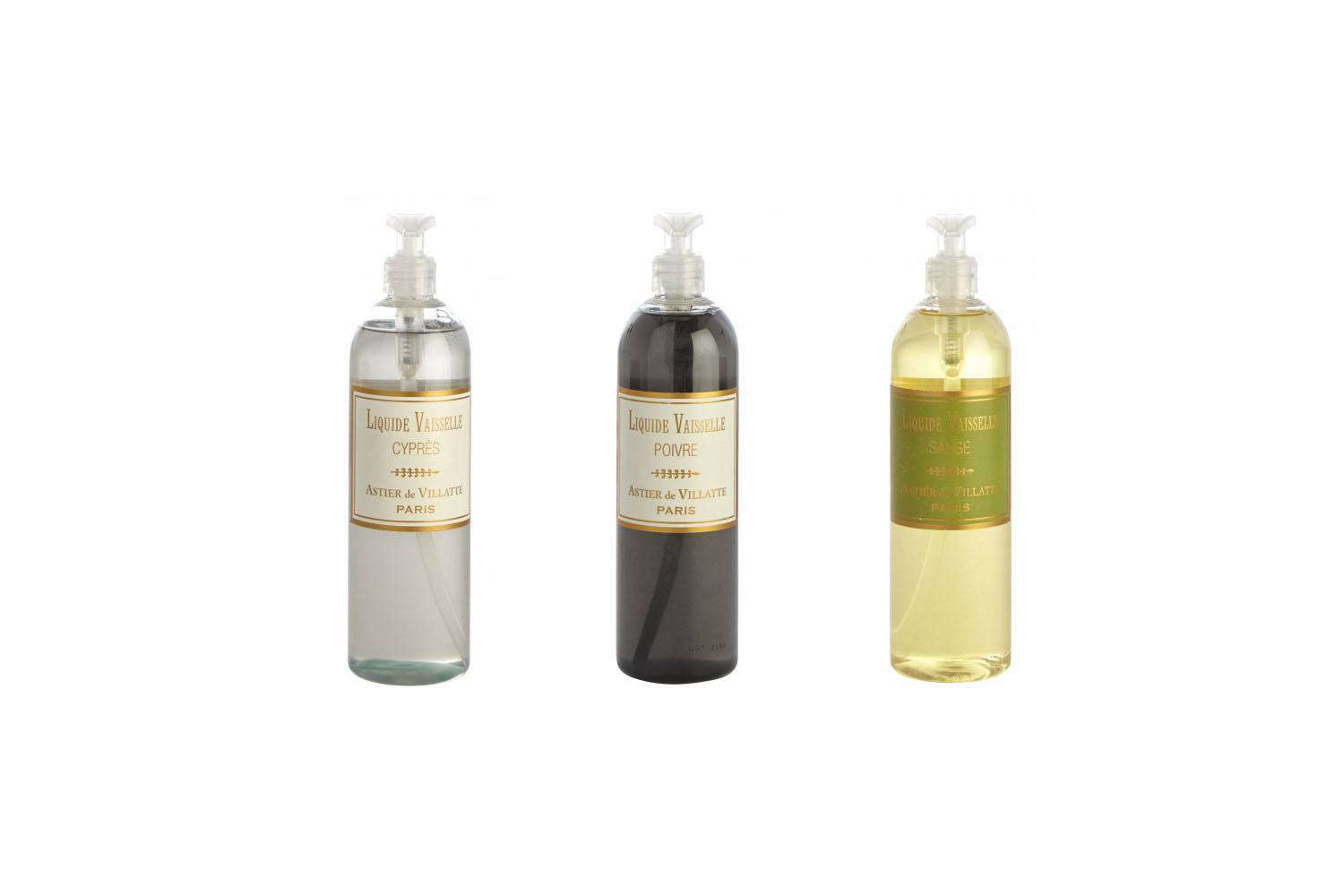
Astier de Villatte Liquid Dish Soap, also called Liquide Vaisselle, is a premium scented dishwashing liquid made in Paris. It is sold in a compact 500 mL bottle and, depending on the scent and retailer, larger 1-liter bottles and 1-liter refill formats are also available.
The product comes from Astier de Villatte, a Paris-based design house known for its handmade ceramic tableware, incense, candles, stationery, perfumes, and objects that make ordinary rooms look slightly more poetic. The dish soap makes sense in that world: it is practical, but it also acts like a small decorative object that happens to clean forks.
Selected retailer descriptions identify an organic base, natural fragrance blends, carefully selected essential oils, and less than 5% anionic surfactants. Some listings also mention fragrance components such as limonene and citronellol. Because formulas and labeling can change, shoppers with sensitivities should always check the current package before buying.
Why This Luxury Dish Soap Feels Different
It Treats Dishwashing Like a Small Ritual
Most dish soaps have one job: remove grease and get out of the way. Astier de Villatte adds a second job: make the time at the sink feel less like a punishment assigned by the universe after pasta night.
The bottle is tall, simple, and quietly elegant. It looks at home near a handmade ceramic soap dish, a wooden brush, or a row of cookbooks that are more aspirational than stained. Rather than hiding under the sink, this is a product people leave on the counter deliberately.
The Fragrance Is the Main Event
Astier de Villatte dishwashing liquid is not designed to smell like generic “fresh rain,” which is a fragrance category that has somehow survived despite rain having no customer-service department. The line leans into botanical, aromatic, and distinctly atmospheric scents.
Commonly available fragrance options include Pink Pepper, Cypress, Black Pepper, Sage, and Bergamot. Availability varies by retailer, season, and refill format, so your preferred scent may occasionally play hard to get.
- Bergamot: Bright, citrusy, and polished. A strong choice for kitchens that favor clean, sunny, tea-like scents.
- Cypress: Green, woody, and fresh. It gives a kitchen the energy of an expensive cabin that definitely has a perfectly folded linen towel.
- Pink Pepper: Warm, lively, and slightly spicy. This scent works well for anyone who finds plain citrus a little too obedient.
- Black Pepper: More dramatic and aromatic, with a sharper edge that feels sophisticated rather than sugary.
- Sage: Herbal, calm, and kitchen-friendly. It is an easy match for homes with a natural, garden-inspired aesthetic.
Does Astier de Villatte Liquid Dish Soap Actually Clean Well?
A beautiful bottle cannot negotiate with olive oil. Dish soap still needs to do the practical work of loosening grease, food residue, and cooking oils so they can be rinsed away.
Like other liquid dish soaps, its cleaning action depends on surfactants. These ingredients help bridge the long-running feud between oil and water. One part of the surfactant is attracted to water, while another part attaches to grease. When you scrub and rinse, that grease is lifted from the dish rather than simply being moved to a new zip code on the plate.
Astier de Villatte is best understood as an elevated everyday dish soap, not a commercial-grade degreaser in couture. It should be well suited to glasses, plates, utensils, mugs, serving pieces, and routine cookware cleanup. For a roasting pan covered in baked-on cheese from an event known as “I forgot the timer,” soaking first is still the smarter strategy.
The product is often positioned by retailers as gentle enough for beautiful ceramics and delicate objects. That does not mean every object should be casually submerged in hot, soapy water. Hand-painted china, antique gilding, unfinished wood, damaged glaze, silver with special care requirements, and fragile heirlooms may need more specific cleaning methods.
How to Use Astier de Villatte Dish Soap Without Wasting It
Premium dish soap becomes absurdly expensive only when used like a fire hose. A little restraint lets the bottle last longer and keeps the experience pleasant instead of financially theatrical.
Use a Small Amount on a Wet Sponge or Brush
Start with a modest squeeze on a damp sponge, dish brush, or cloth. Add water gradually as you wash. This gives you better control than filling the entire sink with a giant soap cloud worthy of a bubble-bath commercial.
Wash the Least Greasy Items First
Begin with glasses, cups, and cutlery. Move on to plates, then cookware. This keeps the washing water clearer for longer and helps the fragrance remain a pleasant background detail rather than a perfume battling last night’s garlic butter.
Soak Stubborn Pans Before Scrubbing
For dried rice, baked sauce, or a skillet that has clearly been through something, use warm water and allow time to help. A brief soak reduces the amount of force required, which is kinder to your hands, cookware, sponge, and general mood.
Rinse Thoroughly
A scented soap should leave your kitchen smelling inviting, not leave a floral or peppery flavor on a wineglass. Rinse dishes well with clean water, especially mugs, cups, glassware, and anything that will hold food or drink.
Pair It With a Reusable Tool
A wooden dish brush, washable cloth, natural-fiber scrubber, or sturdy sponge fits the product’s low-waste, considered-home appeal. It also keeps you from pairing a $40-ish bottle of French dish soap with a sad sponge that looks like it has seen classified information.
Is Astier de Villatte Liquid Dish Soap Worth the Price?
That depends on what you expect from dish soap. If you are seeking the lowest cost per ounce and the strongest possible grease-cutting performance for a household that produces a mountain of pans every day, this is not the practical winner. A conventional supermarket formula will usually be cheaper and may be more appropriate for high-volume cleanup.
Astier de Villatte is worth considering when you see dishwashing as a sensory home ritual, enjoy elevated fragrance, care about countertop aesthetics, or want a useful housewarming gift that feels unexpected. It is also appealing for people who own handmade ceramics, collect beautiful tableware, or simply want one daily-use item that makes the kitchen feel more intentional.
Official pricing has placed select 500 mL bottles around $32, while U.S. retailer pricing may range higher depending on scent, location, availability, and import costs. Larger bottles and refill options can reduce the cost per ounce, although they remain firmly in the luxury category.
The useful question is not, “Is it expensive for dish soap?” Of course it is. The better question is, “Would I enjoy this enough to use it often?” A luxury product that sits untouched because it feels too precious is not a luxury; it is countertop guilt in a bottle.
Who Will Love This Premium French Dish Soap?
Astier de Villatte Liquid Dish Soap is an especially good fit for:
- People who enjoy aromatic kitchen products and botanical scents.
- Design lovers who want countertop essentials to look intentional.
- Hosts who care about tableware, linens, candles, and the little details guests notice.
- Gift buyers seeking a useful but memorable housewarming, hostess, or holiday present.
- Fans of Astier de Villatte ceramics, incense, candles, and Parisian home goods.
- Anyone trying to make a repetitive chore feel just a bit more civilized.
It may not be the right choice for shoppers who need fragrance-free dish soap, have known fragrance sensitivities, prefer fully documented third-party environmental certifications, or want the strongest possible value for a busy family kitchen. There is no shame in using a basic detergent for mountain-sized cleanup and saving the fancy soap for everyday dishes, glassware, and moments when you want the sink to feel less bleak.
Fragrance, Skin Sensitivity, and Smart Shopping
Natural fragrances and essential oils can smell wonderful, but “natural” does not automatically mean suitable for every person. Fragrance ingredients may bother people with sensitive skin, scent-triggered headaches, allergies, eczema, or contact sensitivities.
If you are unsure how your hands will react, start by using gloves, limit direct contact, and check the current ingredient label. Stop using the product if you notice irritation. A beautiful scent should improve your evening, not turn your knuckles into a strongly worded complaint.
It is also wise to buy from an established retailer and review the exact size before ordering. The 500 mL bottle is substantial but not enormous, while a 1-liter refill may make more sense if you already know you love a particular scent and plan to reuse the original bottle.
Astier de Villatte Liquid Dish Soap FAQs
Is Astier de Villatte dish soap made in France?
Yes. Current brand and retailer descriptions identify the liquid dish soap as made in Paris or France.
What sizes are available?
Common formats include a 500 mL bottle, a 1-liter bottle, and a 1-liter refill. Exact offerings vary by scent and retailer.
Which Astier de Villatte dish soap scent is best?
Bergamot is usually the safest pick for bright citrus fans. Cypress is excellent for woody, green scents. Sage suits herbal kitchens, while Pink Pepper and Black Pepper bring more spice and drama.
Can it be used on delicate ceramics?
Retailers often present it as suitable for beautiful ceramics and special tableware. Still, follow the care instructions for the specific object, particularly if it is antique, hand-painted, cracked, gilded, or otherwise fragile.
Does the refill make it more economical?
Usually, yes. Refill bottles can lower the cost per ounce compared with buying several small bottles, while also allowing you to reuse the original container.
Final Thoughts: A Little Luxury for the Sink
Astier de Villatte Liquid Dish Soap will not make dishes disappear, load themselves into cabinets, or explain why there are four identical mugs in the sink when everyone in the house insists they used only one. What it can do is make a familiar task feel more deliberate.
Its appeal is not just fragrance, bottle design, or French pedigree. It is the idea that a practical household product can also carry atmosphere. For the right buyer, that small lift in mood is the point. A kitchen does not need to be extravagant to feel special; sometimes it just needs a good brush, a clean towel, and dish soap that smells like someone cared.
Experience Notes: What Living With Astier de Villatte Dish Soap Can Feel Like
The Astier de Villatte experience begins before the first plate is even washed. The bottle arrives looking less like a cleaning product and more like something that accidentally wandered out of a well-styled Parisian pantry. It has presence without screaming for attention. Put it beside a neutral dish brush, a folded linen towel, or a favorite ceramic spoon rest, and suddenly the sink area looks suspiciously organized. This can be mildly dangerous because you may start believing the rest of the kitchen is equally tidy.
During a normal evening cleanup, the scent is the first noticeable difference. A bergamot version can feel bright and clean, especially after cooking fish, onions, or anything with the social confidence to linger in the room. Cypress can feel cooler and greener, almost like opening a window after rain. Sage has a softer, herbal character that works beautifully in kitchens with wooden boards, potted herbs, and at least one jar of flaky salt that gets more admiration than use.
The most satisfying use case is not an enormous post-party cleanup involving three casseroles, a roasting pan, and someone’s mystery cocktail shaker. It is the small reset after dinner: two plates, a saucepan, a wineglass, perhaps one bowl that held berries and now contains exactly three abandoned blueberries. In that moment, the soap makes the task feel less transactional. You use a modest amount, work up a soft lather, rinse carefully, and notice that the kitchen smells gently polished rather than aggressively “clean.”
There is also a psychological trick at work. When a product feels special, you tend to slow down. You rinse the good glassware properly. You wipe the counter instead of leaving one suspicious breadcrumb colony near the toaster. You hang the dish towel instead of launching it onto a chair with the accuracy of a disappointed basketball coach. The soap does not create discipline, but it can make domestic routines feel more pleasant to maintain.
For hosts, it earns its keep in a different way. After a dinner with friends, the scent can soften the aftermath while you wash serving spoons and stack plates. It makes an excellent conversation starter, particularly when a guest notices the label and asks what it is. Saying, “It is French dish soap,” is objectively more fun than saying, “It was on sale in aisle seven.”
The key is to use it without turning it into a museum piece. Keep it by the sink. Use it for your everyday mugs and favorite bowls. Refill it when possible. Let it be part of the kitchen instead of a prop in the kitchen. That is where Astier de Villatte Liquid Dish Soap works best: not as a tiny symbol of perfection, but as a fragrant reminder that even chores can have a little style.