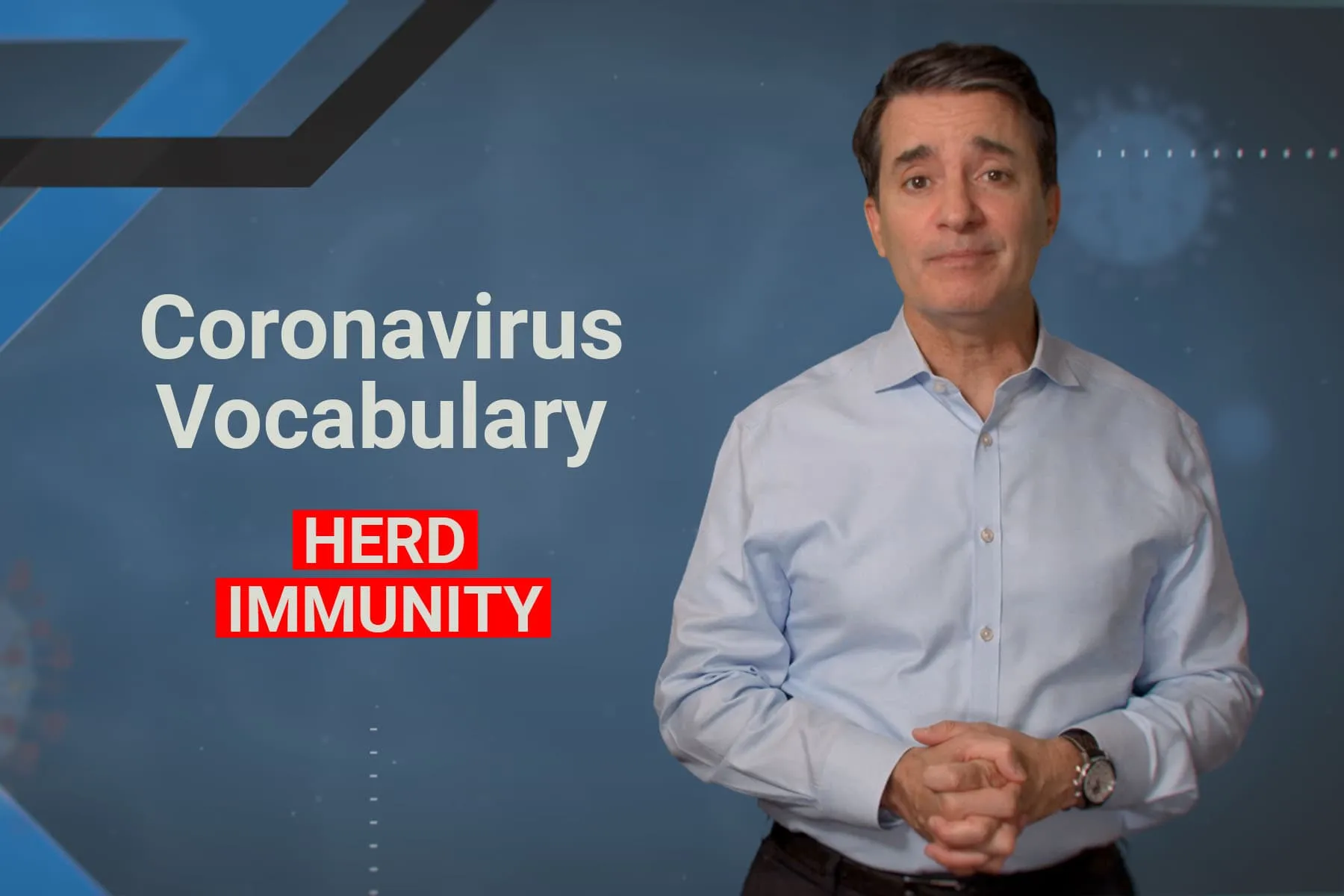

If there were a prize for “phrase most likely to show up in a pandemic press conference and your group chat on the same day,” herd immunity would have a real shot at winning. Before COVID-19, it mostly lived in epidemiology textbooks, vaccine discussions, and the occasional public health article. Then the coronavirus arrived, and suddenly this once-technical term was being tossed around by politicians, doctors, exhausted parents, and that one cousin who became an overnight expert after reading three headlines and half a Facebook post.
So what does herd immunity actually mean? Why did it become such a hot-button term during the pandemic? And why did the idea sound simple at first, but turn out to be about as straightforward as assembling furniture with one missing screw and a vague sense of optimism?
Let’s break it down in plain English. No jargon overload. No scare tactics. Just a clear, useful guide to one of the most misunderstood phrases in the coronavirus vocabulary.
What Is Herd Immunity?
Herd immunity, also called community immunity, happens when enough people in a population have protection against an infectious disease that the germ has a much harder time spreading from person to person. Once transmission slows enough, even people who are not protected themselves may get some indirect benefit because the virus has fewer chances to move around.
Think of it like trying to pass a note across a crowded classroom. If nearly everyone is there and paying attention, that note can travel fast. But if many desks are empty, or many students refuse to pass the note along, the chain breaks. In disease terms, immunity blocks some of the possible routes the virus could take.
That is why herd immunity has long mattered in public health. It is not only about the people with protection. It also helps shield newborns, people with certain medical conditions, and others who may not respond well to vaccines or may not be able to get them at all.
How Do People Become Part of That “Herd”?
There are two broad ways people can build immunity: through infection or through vaccination. Infection can trigger an immune response because the body learns to recognize the virus after fighting it off. Vaccination also trains the immune system, but without making people pay full tuition through the disease itself. That distinction matters. A lot.
During the COVID-19 pandemic, early debates often treated these two routes as if they were equally practical ways to get society to the same endpoint. On paper, both can contribute to population-level protection. In real life, however, infection-based immunity comes with hospitalizations, long COVID, death, missed work, medical bills, and stress on families and health systems. That is why public health experts consistently warned against the idea of “just let it spread” as a safe shortcut to herd immunity.
Vaccines, by contrast, were designed to lower the odds of severe illness and death while helping the immune system recognize the virus. They offered a safer path to protection than rolling the dice with infection and hoping for the best.
Why Herd Immunity Sounded Like a Finish Line
Early in the pandemic, herd immunity was often discussed like a magical threshold. Hit the right percentage, and the virus would supposedly throw down its tiny microscopic briefcase and leave town. It was an appealing story: painful, yes, but temporary. Once enough people had immunity, normal life would return and everyone could stop learning new Greek letters.
That expectation was understandable, but it was also too neat for the reality of COVID-19. For some diseases, herd immunity behaves more predictably. Measles is the classic example. It spreads efficiently, but the vaccine is extremely effective at blocking infection, and the virus itself is relatively stable. That makes the herd immunity concept highly useful.
COVID-19, however, turned out to be a much trickier customer.
Why COVID-19 Made Herd Immunity More Complicated
1. The Virus Mutates
SARS-CoV-2, the virus that causes COVID-19, changes over time. Variants and subvariants can spread differently, partially dodge prior immune protection, and alter the math that people once hoped would deliver a neat herd immunity threshold. Public health experts increasingly emphasized that a mutating respiratory virus does not play by the same tidy rules people often associate with textbook herd immunity.
2. Immunity Can Fade
Protection is real, but it is not necessarily permanent or identical in every person. Immunity from vaccination, infection, or a combination of both can wane over time, especially when the virus evolves. That does not mean immunity is useless. Far from it. It often still helps reduce severe outcomes. But it does mean that “immune once, safe forever” was never a realistic slogan.
3. Immunity Is Unevenly Distributed
National averages can be deceiving. Even if a large share of a country has some level of protection, pockets of low vaccination or low prior exposure can still give the virus room to spread. One neighborhood, school, workplace, or social network can behave very differently from another. Viruses do not care about national talking points; they move through actual people in actual communities.
4. COVID Vaccines Are Strong at Reducing Severe Disease, but They Are Not a Perfect Wall Against Every Infection
This is one of the biggest reasons the public conversation got messy. Many people heard “vaccine” and assumed that meant total prevention of infection forever. But with COVID-19, the biggest win has been reducing the risk of severe illness, hospitalization, and death. Vaccines can also reduce transmission, but not in a perfectly absolute, permanent way. That makes the public-health goal more practical than theatrical: lower the overall burden of disease, protect the vulnerable, and keep outbreaks from turning into disaster.
So, Is Herd Immunity Against COVID-19 Impossible?
Not exactly. The better answer is that classical herd immunity, the kind people imagined as a one-time finish line, is not a very reliable way to describe how COVID behaves. Experts now often frame the goal differently. Instead of asking whether society can cross one dramatic threshold and declare victory forever, they look at how much population protection exists at a given time and whether that protection is enough to blunt transmission and keep severe disease lower.
In other words, herd immunity is still a useful concept, but it is not a magic trick. It is more like a weather forecast than a light switch. Conditions change. Protection rises and falls. New variants arrive. Human behavior shifts. Vaccine uptake varies. Risk never drops to absolute zero, but it can be pushed lower with smarter public-health strategies.
What Public Health Experts Want People to Understand
Herd Immunity Is About Community, Not Just the Individual
One of the most important lessons from the pandemic is that immunity is not just a personal matter. It has social consequences. Your choices affect the people around you, especially older adults, medically fragile relatives, immunocompromised neighbors, and anyone whose body may not mount a strong immune response. Herd immunity, at its core, is a reminder that infectious diseases are team sports, even for people who hate teamwork.
Vaccination Is Safer Than Infection
This point cannot be repeated enough without becoming annoying, so let’s call it firmly helpful instead: getting protection from vaccination is safer than getting it from a disease that has caused massive illness and death worldwide. Infection may produce immunity, but it is a risky and uneven way to build it. Vaccination gives the immune system a controlled preview rather than a full-contact surprise.
Updated Protection Still Matters
Because the virus continues to evolve, updated COVID vaccine recommendations remain part of the conversation. The modern strategy is less about chasing a mythical moment of perfect, permanent herd immunity and more about maintaining protection that reduces severe outcomes and supports community-level resilience over time.
Common Myths About Herd Immunity
Myth 1: Herd immunity means the virus disappears.
Nope. It means the virus has a harder time spreading widely. A disease can still circulate, flare up, and cause outbreaks even when a population has substantial immunity.
Myth 2: Once enough people have had COVID, the problem solves itself.
That idea ignores reinfection, waning immunity, variants, and the human cost of getting to that point through illness. “Let it rip” may sound bold in a comment section, but in public health it translates into preventable harm.
Myth 3: Herd immunity is the same thing as personal immunity.
Not quite. Personal immunity is about your body’s protection. Herd immunity describes what happens across a group when enough people have protection that transmission becomes less likely overall.
Myth 4: If herd immunity is hard to reach, vaccines are pointless.
Absolutely not. This is like saying seat belts are useless because car accidents still happen. COVID vaccines have remained valuable because they reduce the risk of the worst outcomes and help build broader community protection, even if they do not create a flawless shield against every infection forever.
Real-World Examples That Help the Term Make Sense
Here is a simple comparison. In diseases where immunity is strong and long-lasting and the pathogen does not change much, herd immunity can be a powerful stabilizing force. That is why routine childhood vaccination programs are so important. They do not just protect one child at a time. They create a community barrier.
With COVID-19, the picture is more dynamic. A highly vaccinated family may still see a breakthrough infection, especially when a new variant is circulating. But the outcomes are often very different from what they might have been without prior immunity. There may be fewer severe cases, shorter illness, and lower pressure on hospitals. That still counts as a major public-health success, even if it lacks the cinematic flair of a final boss battle.
Researchers have also shown a version of the herd effect in households: when more people in a family have immunity, the people without immunity can face lower risk because the virus has fewer easy paths to move through the group. That is the core logic of herd immunity in action, even outside a perfect textbook scenario.
Why the Phrase Still Matters Today
Even if COVID changed how experts talk about herd immunity, the phrase still belongs in the coronavirus vocabulary because it helps explain a basic truth: infectious diseases are connected problems. What happens at the population level shapes what happens in homes, schools, workplaces, hospitals, and nursing facilities.
The term also reveals how public health has matured during the pandemic. Early messaging sometimes leaned too hard on one clean threshold. Over time, experts shifted toward a more realistic view: layered protection, updated vaccines, attention to high-risk groups, and an understanding that community protection is valuable even when it is imperfect.
That may be less catchy than “we’re 10 points away from herd immunity,” but it is far closer to how the real world works.
What Living Through the Phrase Felt Like: A Shared Pandemic Experience
For many people, “herd immunity” was not just a scientific concept. It was an emotional landmark. It became one of those phrases that carried hope, confusion, argument, and fatigue all at once. In 2020 and 2021, people heard it in press briefings, television interviews, podcasts, social media debates, and tense family conversations over takeout containers. It sounded technical, but it landed personally.
At first, the term often felt like a promise. If enough people got protection, maybe the anxiety would finally loosen its grip. Maybe grandparents could hug grandkids without a risk calculation. Maybe weddings would stop doubling as epidemiology case studies. Maybe everyone could retire the phrase “out of an abundance of caution,” which frankly deserved its own vacation.
Then reality complicated the story. People started learning that herd immunity was not one clean number etched into stone tablets by the gods of public health. The target shifted as variants emerged. One month brought optimism. Another brought a surge. Many people experienced that as whiplash. They were not wrong to feel confused. The science was evolving in real time because the virus was evolving in real time too.
There was also a social side to the experience. Herd immunity forced people to think beyond themselves, and not everyone enjoyed that homework assignment. The term raised uncomfortable questions: What do we owe each other during a pandemic? How much does one person’s decision affect a whole community? Why can two neighbors read the same headlines and come away with completely different ideas about risk, duty, and freedom?
Healthcare workers experienced the phrase differently still. For many of them, herd immunity was never an abstract talking point. It was tied to bed capacity, staff burnout, protective equipment, and whether hospitals could safely care for everyone who needed help. In that world, population protection was not a theory. It was the difference between manageable strain and heartbreaking overload.
Parents, teachers, and caregivers had their own version of the journey. They learned that community immunity was not just about charts and percentages. It shaped school policies, childcare decisions, travel plans, holiday gatherings, and whether a sniffle felt like a minor nuisance or the opening scene of a two-week logistical disaster.
Even now, the phrase carries a memory of the pandemic’s strange blend of science and suspense. It reminds people how quickly a once-obscure public-health term became household language. More importantly, it reminds us that no one experiences a virus alone. A pandemic turns private decisions into public consequences. That is the real lesson hidden inside the phrase. Herd immunity is not only a medical concept. It is a community mirror, showing how connected we are whether we like it or not.
Final Takeaway
If you remember only one thing, make it this: herd immunity is not a magic doorway that swings open once society hits the right number. It is a public-health effect that happens when enough people have protection that a virus struggles to spread efficiently. With COVID-19, that effect is real, but it is also fluid because the virus mutates, immunity changes over time, and protection is uneven across communities.
That does not make the idea useless. It makes it more honest. In the coronavirus era, herd immunity is best understood not as a permanent trophy, but as a moving measure of community protection. It still matters. It still helps explain why vaccines, updated protection, and public-health awareness matter. And it still offers a useful reminder that in an outbreak, your health is never just your own business. Microbes are nosy like that.