
Some news stories arrive with all the subtlety of a cannon blast. This one arrived with gold, silver, and a healthy dose of “wait, that’s still down there?” Off Florida’s Treasure Coast, divers working a historic wreck site tied to the famous 1715 Spanish Fleet recently recovered a remarkable cache of coins and artifacts, including more than 1,000 silver and gold coins. The haul, announced in 2025, was valued at about $1 million. That is enough to make collectors sweat, historians grin, and anyone with a metal detector immediately check the weather forecast.
But the real story is bigger than a dollar figure. This discovery is part of the long, strange afterlife of one of the most famous maritime disasters in North American waters. In July 1715, a fleet of Spanish ships carrying riches from the Americas toward Spain was smashed by a hurricane off the Florida coast. More than three centuries later, the ocean is still giving up pieces of that loss, one coin, one artifact, one sandy miracle at a time.
So yes, this is a treasure story. It is also a story about empire, shipping, storms, archaeology, legal headaches, and the stubborn human belief that somewhere beneath all that water and sand, history is waiting to be found. Sometimes history even comes up shining.
What Was the 1715 Spanish Fleet?
The 1715 Spanish Fleet, often called the 1715 Treasure Fleet or Plate Fleet, was not a single lonely ship drifting toward disaster. It was a convoy carrying wealth from Spain’s American territories back across the Atlantic. The treasure included silver, gold, and other valuables collected through colonial trade networks that stretched across what are now Mexico, Peru, Bolivia, and beyond.
After leaving Havana in July 1715, the fleet encountered a violent hurricane along Florida’s east coast. The storm wrecked most of the ships near what is now known as the Treasure Coast, a nickname the region wears like a permanent wink. The loss was catastrophic. Ships broke apart, cargo scattered across reefs and seabeds, and many lives were lost. Spain mounted salvage efforts almost immediately, because empires are many things, but casually relaxed about missing treasure is not usually one of them.
Even after those early recovery operations, plenty remained underwater. Over time, storms shifted the sands, wreck sites spread out, and artifacts disappeared into layers of sediment. That is one reason the fleet still captures the imagination today. It is not a tidy shipwreck in a museum case. It is a sprawling underwater puzzle, still being solved piece by piece.
The New Discovery That Put the Fleet Back in Headlines
A million-dollar haul with historical weight
The recent discovery involved divers recovering more than 1,000 coins during the 2025 summer salvage season. Reports described the find as including large numbers of silver reales, five gold escudos, and other gold artifacts. In plain English, that means this was not one lonely coin popping out of the sand like a lucky arcade token. It was a major recovery.
What makes the find especially fascinating is the condition and clarity of many of the coins. Mint marks, dates, and origins can still be seen on some pieces, which helps researchers connect them to the colonial mints of Spanish America. These were not random trinkets tossed overboard by a seasick passenger. They were part of a global economic machine that moved wealth from the Americas into Europe.
Treasure hunters understandably focus on rarity and value. Historians and archaeologists focus on context. Both groups had plenty to talk about here. A cluster of coins from the same area can reveal how cargo was stored, how the wreck broke apart, and how storms buried or shifted material over time. A million-dollar headline is great for attention, but the real jackpot is information.
Not the first big surprise, and probably not the last
This was not the first modern recovery tied to the 1715 fleet, and it almost certainly will not be the last. The same wreck complex has produced notable finds before, including earlier discoveries of hundreds of coins and high-profile gold pieces. That continuing pattern is part of what makes the 1715 fleet so irresistible. Every season carries the possibility that a storm, current, or plain old persistence will expose something new.
In other words, the Treasure Coast remains living history. It just happens to glitter.
Why These Coins Matter Beyond Their Price Tag
Coins are tiny historical documents
A coin can be money, yes, but it can also be a passport stamp, a government memo, and a trade record all rolled into one small metal circle. The recently recovered reales and escudos help show how Spain’s colonial economy worked, where precious metals were minted, and how wealth moved through imperial routes. Coins from mints in places like Mexico City, Lima, or Potosí can tell historians a great deal about regional production, circulation, and political authority.
That is why serious researchers do not look at these finds and merely see “expensive pirate stuff.” They see evidence. A visible date can narrow chronology. A mint mark can connect the object to a specific location. Wear patterns can reveal circulation. A group of coins found together may suggest how they were stored before the wreck. One chest of coins can open a whole chapter of Atlantic history.
The fleet is a time capsule of the Spanish Empire
The 1715 disaster happened during a period when Spain still depended heavily on treasure fleets to move wealth across the ocean. These voyages were high-stakes operations. Hurricanes, reefs, privateers, and sheer bad luck made every crossing risky. The fleet’s destruction shows how fragile even the most powerful systems could be when weather decided to end the conversation.
That is part of the appeal here. The coins are dazzling, but they also remind us that imperial power was carried in wooden hulls through storm-prone seas. History sometimes looks enormous in textbooks. Then a hurricane shows up and turns it into driftwood.
How Divers Actually Recover Treasure from a 310-Year-Old Wreck
This is the part where movies usually lie. Real treasure recovery is not a glamorous sequence of dramatic dives, immediate triumph, and somebody shouting, “We’re rich!” while orchestral music swells. Most of the time, it is painstaking work in shifting conditions.
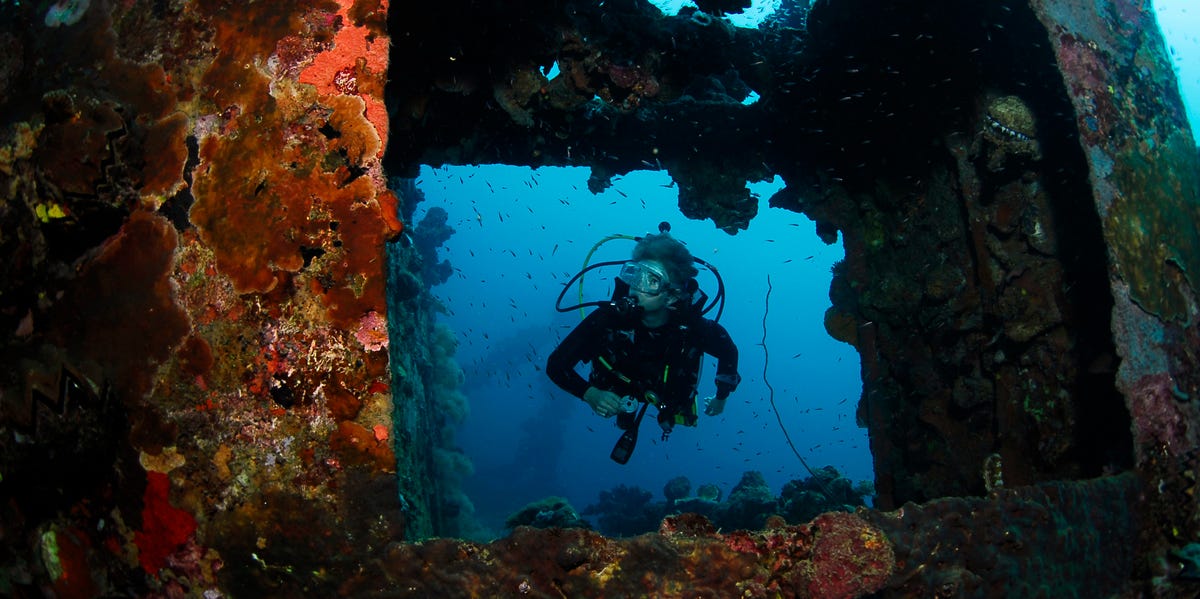
Divers on these wreck sites use underwater metal detectors, hand-fanning techniques, and sand-moving equipment to identify and carefully uncover objects buried beneath the seabed. Visibility can be poor. Sand shifts constantly. Storms can bury a site one month and reveal it the next. A promising signal can turn out to be junk. Then, every so often, it turns out to be a coin that has not seen daylight since the early 18th century.
That mix of science, endurance, and stubborn optimism is what makes salvage work so compelling. It is part fieldwork, part treasure hunt, part weather gamble. Divers are not just looking at history; they are trying to find history in an environment that keeps rearranging the filing system.
Conservation is as important as discovery
Bringing an artifact to the surface is only the beginning. Coins and metal objects recovered from saltwater need careful conservation, cleaning, and documentation. Without that step, the ocean can keep damaging them even after recovery. Proper cataloging also matters because once an object is pulled from its setting, context can be lost forever if nobody records what was found, where, and with what else.
That is why serious recoveries involve far more than holding up a shiny coin for the camera. The best work turns a find into preserved history, not just a headline.
The Legal and Ethical Side of Treasure Hunting
Any story involving shipwreck treasure eventually bumps into the law, and this one is no exception. Florida has rules governing historic shipwrecks and artifacts in state waters. Recovery is not supposed to be a free-for-all in swim fins. The legal framework exists because shipwrecks are cultural resources, not just underwater vending machines for lucky divers.
Under Florida’s system, historic shipwreck material in state waters is subject to state authority, and recovery work operates through permits and legal oversight. In the case of the 1715 fleet, salvage rights, artifact division, and public-interest considerations have long involved both state processes and federal court supervision. A portion of recovered material may be reserved for public collections, research, or museum display.
That matters because treasure finds can easily drift into controversy. Who owns the past? How much should be sold? How much should stay in museums? When does recovery become preservation, and when does it become extraction? These are not abstract questions. They shape how discoveries are handled and how the public ultimately experiences them.
Recent theft cases added another layer
The fleet has also been tied to modern disputes and criminal investigations involving stolen coins from earlier recoveries. That ugly chapter is a useful reminder that historical value attracts bad behavior as surely as it attracts public fascination. Once artifacts leave the seabed, they enter a world of markets, collectors, paperwork, and temptation. Treasure may be romantic, but chain-of-custody forms are what keep the romance from turning into a courtroom drama.
Why the 1715 Fleet Still Fascinates People
Part of the answer is obvious: treasure stories are catnip for the human brain. Gold coins from a 1715 shipwreck sound like the setup to a blockbuster, not a real news report. But the deeper reason is that the 1715 fleet sits at the intersection of several irresistible themes: disaster, wealth, empire, survival, mystery, and the ocean’s maddening habit of keeping secrets.
It also helps that the wrecks are connected to a real place ordinary people can visit. Florida’s Treasure Coast is not some unreachable legend. It has museums, beaches, and a long culture of wreck lore. Storms still reshape the shoreline. Beachcombers still hope to spot something unusual in the wash. The distance between history and daily life feels shorter there.
And then there is the emotional math of it all. A coin that sat underwater for more than 300 years makes time feel strange in the best possible way. One moment it was part of a global imperial cargo. The next, at least in historical terms, it is being photographed under modern lights while someone in a dive mask tries not to grin too hard.
Experiences Related to the 1715 Spanish Fleet: What Treasure Hunting Really Feels Like
For anyone imagining treasure recovery as one long parade of dramatic discoveries, the reality is more interesting and a lot more human. The experience of working around the 1715 fleet sites is often described less as nonstop excitement and more as a blend of patience, physical effort, routine, and sudden moments of pure disbelief. Most days begin with weather checks, gear checks, and the kind of cautious optimism familiar to fishermen, archaeologists, and people who keep reopening the fridge as if a better snack might appear.
On the water, the mood can swing quickly. Conditions change. Visibility can go from manageable to miserable. A site that looked promising yesterday may be covered by sand today. Divers descend into water that does not care about schedules, headlines, or human feelings. They search methodically, listening to detector signals, feeling through sand, and trying to separate meaningful clues from noise. In that environment, the experience is rarely cinematic. It is tactile. It is repetitive. It is often exhausting. And then, without warning, a shape appears that does not belong to the natural seafloor.
That moment is where the emotional punch lives. A coin emerging from packed sand is not just an object; it is a time shock. The diver knows immediately that this small disc was last handled in a world of wooden ships, imperial trade, candlelight, and handwritten ledgers. Even for experienced recovery crews, that can be hard to process. Some describe major finds as almost numbing because the mind needs a second to catch up to the eyes. You spend hours finding nothing, then suddenly history is in your hand pretending it never left.
There is also a strange intimacy to the whole experience. Treasure stories often emphasize value, but divers and historians alike talk about texture, detail, and context. The edge of a coin, the faint stamp of a mint mark, the way several pieces are clustered together in one patch of seabed, these details create a sense of direct contact with the past. You are not reading about 1715. You are kneeling in the aftereffects of it.
For people onshore, the experience is different but no less powerful. Visiting Treasure Coast museums, walking the beaches after storms, or seeing recovered artifacts on display can create a similar jolt. The fleet stops being a paragraph in history and becomes something tangible. Children stare at coins the size of cookies. Adults suddenly understand why storms, salvage, and shipwreck law are such big deals in Florida. Even people who arrive for the treasure often leave talking about the hurricane, the sailors, and the sheer scale of the catastrophe.
That is probably the most lasting experience attached to the 1715 Spanish Fleet. It begins with fascination over gold and silver, but it ends with a sharper sense of history. Treasure draws people in. Human stories keep them there. And somewhere off Florida’s coast, under layers of shifting sand, the ocean is still holding the next chapter with the patience of a very dramatic librarian.
Conclusion
The latest recovery from the 1715 Spanish Fleet is thrilling because it combines everything people love about maritime history: glittering coins, deadly weather, high stakes, and a mystery that refuses to stay finished. Yet the most important part of the story is not the million-dollar estimate. It is the way these finds connect modern divers and readers to a real event that reshaped lives in 1715 and still shapes the culture of Florida’s Treasure Coast today.
Treasure may grab the headline, but history is the real prize. The coins matter because they survived a hurricane, a shipwreck, centuries underwater, and the long randomness of time. That is not just valuable. That is extraordinary.