
Some packaging walks into the room wearing a tuxedo. Other packaging arrives in a crinkly plastic jacket, looking like it lost a fight with a shipping label. Then there is the hard pulp box with lid shallow: simple, sturdy, low-profile, and surprisingly elegant. It is the packaging equivalent of a calm person at the airportorganized, practical, and not interested in drama.
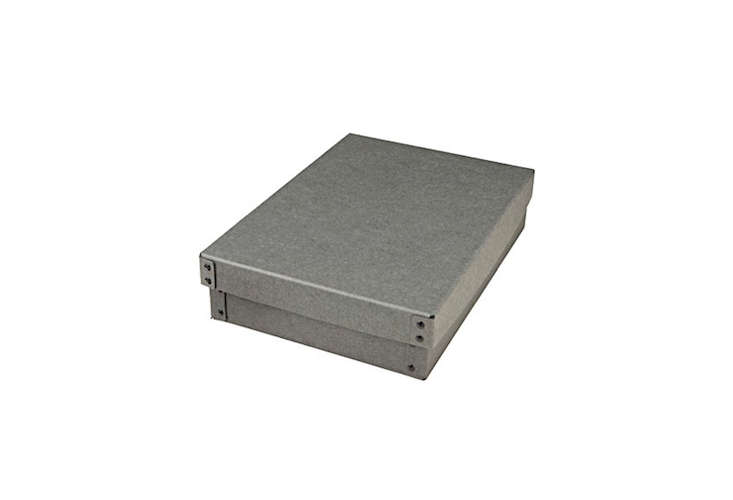
A shallow hard pulp box with a lid is a molded fiber packaging solution designed to protect, present, and store products without relying heavily on plastic. It is often made from recycled paper, paperboard, bagasse, bamboo fiber, wheat straw, or other plant-based fibers. The “hard” part usually refers to its rigid or semi-rigid molded structure, while “shallow” describes its lower depth. Add a fitted lid, and you have a neat little packaging system that works for cosmetics, small electronics, jewelry, gift sets, wellness products, dry food items, sample kits, stationery, and premium retail displays.
At first glance, it may look modest. But this box is doing a lot behind the scenes. It can cushion products, reduce movement, improve shelf appeal, support sustainable branding, and give customers that satisfying “this brand actually thought this through” feeling. In a marketplace where consumers notice packaging almost as quickly as they notice price, that matters.
What Is a Hard Pulp Box with Lid Shallow?
A hard pulp box with lid shallow is a molded pulp or molded fiber container with a rigid body and a separate or integrated lid. Unlike a deep clamshell, tall shipping carton, or flimsy paper tray, it is built with a low profile. That makes it ideal for products that need presentation more than vertical storage: think soap bars, compact skincare jars, sample perfumes, tea sachets, handmade chocolates, USB accessories, replacement parts, candles, seed packets, craft kits, or small subscription box items.
The box is created through a pulp molding process. Fibers are mixed with water to form a slurry, shaped in molds, dried, and sometimes hot-pressed for a smoother, denser, more refined surface. Depending on the production method, the final box can have a rustic natural texture or a premium smooth finish. Some brands choose the raw fiber look because it says “earth-friendly” before the customer even reads the label. Others use embossing, debossing, color, sleeves, belly bands, or paper labels to create a more polished retail experience.
Why Shallow Packaging Is Having a Moment
Shallow packaging is not just a design choice; it is a practical response to modern retail and shipping realities. Smaller, flatter packages can be easier to stack, store, photograph, ship, and display. A shallow hard pulp box with lid also prevents the dreaded “tiny product in a giant box” problem. Nobody wants to open a package and discover one lip balm rolling around inside a container large enough to house a sandwich.
For e-commerce brands, shallow pulp boxes can reduce wasted space and improve the unboxing experience. For retail brands, they provide a clean, tactile display format. For product developers, they offer a middle ground between protective packaging and attractive presentation. And for customers, they feel less disposable than thin plastic trays or oversized cardboard boxes.
Key Benefits of a Hard Pulp Box with Lid Shallow
1. Strong Protection Without the Plastic Drama
Molded fiber packaging has natural cushioning qualities. The structure can absorb minor impacts, reduce product shifting, and protect edges or surfaces. A shallow hard pulp box is especially useful for compact products that do not need deep walls but still require secure containment. The lid keeps dust, handling marks, and accidental bumps away from the product while creating a tidy finished look.
2. Sustainable Appeal Customers Can Understand
Many shoppers do not know the difference between every packaging resin, coating, or recycling symbol. But they generally understand paper-based packaging. A molded pulp box communicates simplicity and responsibility. When made with recycled or renewable fiber, it supports a more circular story than many single-use plastic formats. That does not mean every pulp box is automatically perfect for every waste stream, but it gives brands a strong foundation for more responsible packaging decisions.
3. A Premium Natural Texture
Hard pulp packaging has a visual honesty that many brands love. It looks grounded, minimal, and organic. For skincare, wellness, handmade goods, natural candles, eco gifts, and boutique food products, that texture can become part of the brand identity. A shallow pulp box with a lid can feel like a small keepsake container rather than throwaway packaging. That is a big win when you want the customer to pause before tossing it.
4. Custom Shapes and Inserts
One of the best advantages of molded fiber is that it can be shaped around the product. A shallow box can include a molded cavity, raised rim, corner support, finger notch, divider, or insert area. This matters for brands selling fragile or premium items. A product that sits neatly in its own molded nest instantly looks more expensive. It is the packaging version of giving your product its own reserved parking spot.
5. Stackability and Storage Efficiency
Because shallow boxes are low-profile, they often stack well. That helps during warehouse storage, retail display, and shipping preparation. The lid also allows multiple units to be layered without direct product contact. For businesses handling hundreds or thousands of units, small improvements in stackability can translate into better workflow, cleaner storage, and fewer damaged items.
Common Uses for Shallow Hard Pulp Boxes with Lids
The shallow hard pulp box is versatile because it combines presentation, protection, and sustainability. In beauty packaging, it works well for facial bars, lip care, refill pods, solid perfumes, eye masks, compact jars, and mini skincare sets. In food packaging, it may be used for dry treats, chocolates, tea collections, cookies, or giftable snack assortments when the material and coatings are appropriate for food contact.
In consumer electronics, molded pulp boxes can hold cables, earbuds, chargers, small accessories, and replacement parts. For jewelry and fashion accessories, they create a soft natural look that pairs beautifully with minimalist branding. In corporate gifting, a shallow pulp box with lid can hold notebooks, pens, pins, patches, cards, and small branded items without looking like a boring office supply shipment.
Artisan sellers also love this format. Handmade soap, wax melts, pottery ornaments, small prints, craft kits, incense, natural dyes, and seed collections can all benefit from a rigid shallow pulp structure. The box protects the item while still feeling warm and personal.
Design Features That Make the Box Work Better
Fit of the Lid
The lid is not a decorative afterthought. It is central to the box’s performance. A good lid should fit snugly without requiring a wrestling match. If it is too loose, the product feels cheap and insecure. If it is too tight, customers may bend the box trying to open it. The best designs balance friction, ease, and confidence.
Wall Thickness
A hard pulp box needs enough wall thickness to hold its shape. Thin walls may save material, but they can crush, warp, or feel flimsy. Thicker walls improve rigidity and perceived value, though they can also increase weight and cost. The right choice depends on the product’s fragility, retail price, and shipping route.
Surface Finish
Rough molded pulp gives a rustic look. Smooth hot-pressed pulp feels more premium and can support finer branding details. A shallow hard pulp box for luxury skincare may benefit from a smoother finish, while a box for seed kits or handmade soaps may look better with visible fiber texture.
Branding Options
Pulp boxes can be branded in several ways: embossed logos, debossed marks, printed sleeves, paper stickers, soy-based inks, belly bands, or printed cards placed inside the lid. Embossing is especially attractive because it adds branding without extra labels. It whispers instead of shouting, which is often exactly what premium sustainable packaging should do.
Food Contact, Coatings, and Compliance Considerations
If a shallow hard pulp box will touch food directly, brands need to think beyond appearance. Food-contact packaging must use appropriate materials, additives, coatings, and manufacturing controls. Paper and paperboard food-contact components are regulated in the United States, and companies should confirm that the packaging is suitable for the intended food type, temperature, and use conditions.
Dry foods are usually less demanding than oily, wet, acidic, or hot foods. A box for wrapped tea sachets has different requirements than a box for greasy pastries. If the product needs grease resistance, moisture resistance, or heat tolerance, the coating becomes a major decision. Historically, some fiber food packaging used fluorinated chemistry for oil and grease resistance, but the industry has been moving quickly toward PFAS-free alternatives. Brands should ask suppliers for documentation, not just cheerful adjectives.
Helpful supplier questions include: Is the box approved for direct food contact? Does it contain intentionally added PFAS? What coatings or barriers are used? Is it suitable for fatty foods? Is it suitable for hot fill or microwave use? Is it recyclable or compostable after coating? Does it meet the required testing standard for the claim being made?
Recyclable, Compostable, Biobased: Know the Difference
Packaging language can get slippery. “Recyclable,” “compostable,” “biodegradable,” and “biobased” do not mean the same thing. A hard pulp box may be made from renewable fiber but still have a coating that affects recyclability. It may be technically compostable but only accepted in commercial composting facilities. It may be recyclable in some communities but not others. It may be biobased without being automatically compostable.
For SEO, product pages, and packaging copy, clarity matters. Instead of saying “eco-friendly packaging,” a stronger claim would be more specific: “Made with molded plant fiber,” “Designed to reduce plastic packaging,” “BPI-certified compostable where accepted,” or “Made with recycled paper fiber.” Specific claims build trust. Vague green claims can make customers suspicious, and suspicious customers are very good at closing browser tabs.
How to Choose the Right Shallow Hard Pulp Box
Start with the product, not the box. Measure the item carefully, including any inner wrap, label, insert, or protective sleeve. Decide whether the product should sit tightly, float slightly, or be lifted with a finger notch. Think about how the customer will open it. Think about whether it will be mailed, displayed, gifted, refrigerated, stacked, or photographed for an online store.
Next, consider the material. Recycled paper fiber is common and practical. Bagasse has a clean sustainability story because it uses sugarcane byproduct fiber. Bamboo and wheat straw can also be attractive depending on sourcing, cost, and performance. For premium goods, a smoother hot-pressed finish may be worth the upgrade. For rustic goods, a natural molded texture may be more authentic.
Finally, request samples. Digital mockups are useful, but packaging is physical. You need to feel the lid, press the corners, stack the boxes, test labels, photograph the surface, and ship a few samples to see what happens. Packaging that looks perfect on a screen can behave differently after a truck ride, warehouse shelf, or enthusiastic delivery toss.
SEO and Product Page Tips for Selling This Packaging
If you sell or describe a hard pulp box with lid shallow, your product page should be clear and useful. Include dimensions, material composition, color, finish, lid style, wall thickness, minimum order quantity, customization options, food-contact suitability, end-of-life guidance, and common applications. Search engines reward helpful pages, but more importantly, customers reward them with fewer confused emails.
Use natural keywords such as “shallow molded pulp box,” “hard pulp packaging box with lid,” “rigid fiber box,” “eco-friendly gift packaging,” “molded fiber box,” “pulp box for cosmetics,” and “sustainable retail packaging.” Avoid repeating the exact phrase every two sentences. That makes the article sound like it was written by a robot trapped inside a cardboard factory.
Cost Factors to Expect
The cost of a shallow hard pulp box depends on tooling, material, finish, order volume, customization, coating, printing, and shipping. Custom molded shapes usually require tooling investment, but they can dramatically improve product fit and presentation. Standard stock shapes cost less and are faster to source. A simple natural box with a paper sleeve will usually be more economical than a custom-colored, hot-pressed, embossed, coated, food-contact-certified box with a precision insert.
Brands should evaluate total value, not just unit cost. A better-fitting box may reduce product damage. A flatter box may reduce shipping volume. A premium tactile package may improve perceived value. A cleaner sustainability story may support customer loyalty. In other words, the cheapest box is not always the least expensive choice.
Experience Notes: What It Is Like to Use a Hard Pulp Box with Lid Shallow
From a practical point of view, the first thing you notice about a shallow hard pulp box with lid is how calm it makes the packing process feel. When the dimensions are right, the product drops into place neatly, the lid closes without fuss, and the whole package feels intentional. There is no frantic search for extra filler, no awkward folding, and no sad little product rattling around like a coin in a washing machine.
For small retail products, the shallow format is especially satisfying. A handmade soap bar, for example, looks much more premium when it rests inside a molded pulp base with a simple lid than when it is wrapped in thin plastic. A small candle tin feels more giftable. A jewelry piece feels more curated. A skincare sample set suddenly looks like something from a boutique instead of a last-minute promotional giveaway.
In shipping tests, the biggest lesson is that fit matters more than optimism. A hard pulp box can be sturdy, but it is not magic armor. If the product is fragile, heavy, sharp-edged, or glass, it may still need an inner cavity, corner support, outer mailer, or additional cushioning. The shallow box does an excellent job of organizing and presenting the product, but it should be part of a complete packaging system. Expecting one small pulp box to survive every possible delivery adventure is unfair. Delivery trucks have their own weather system.
The lid experience also deserves attention. A lid that lifts too easily can make customers nervous, especially for gift items. A lid that grips too hard can make opening feel clumsy. The sweet spot is a gentle hold with a clean release. When customers open the package smoothly, the product feels more refined. That tiny moment matters because unboxing is not just packaging removal; it is the first physical interaction with the brand.
Labeling can be both fun and tricky. Smooth pulp accepts labels more predictably, while rougher fiber surfaces may require stronger adhesive or a paper band instead of a small sticker. Embossed logos look beautiful, but subtle. If the product needs bold shelf communication, pair the box with a printed sleeve or belly band. This keeps the pulp box natural while giving shoppers the information they need.
Storage is another pleasant surprise. Shallow pulp boxes stack well, especially when lids and bases are designed consistently. For small studios or growing e-commerce brands, this can make packing stations cleaner and faster. The boxes are light, easy to handle, and visually tidy. They also photograph well under natural light, which is great news for product pages, social media, and anyone who has ever spent forty minutes trying to make plastic packaging look “premium” in a photo.
The main takeaway from real-world use is simple: a hard pulp box with lid shallow works best when the product, box, branding, and end-of-life claim are planned together. It is not just a container. It is a presentation tool, a protection layer, a sustainability message, and a customer experience packed into one low-profile shape.
Conclusion
A hard pulp box with lid shallow is a smart packaging choice for brands that want structure, sustainability, and style without overcomplicating the customer experience. It can protect small products, improve presentation, support plastic reduction goals, and create a tactile unboxing moment that feels modern and thoughtful. The best results come from choosing the right fiber, finish, lid fit, coating, size, and branding method for the product’s actual use.
Whether you are packaging cosmetics, dry foods, electronics accessories, handmade goods, or premium gift sets, this humble molded fiber box can do more than hold an item. It can help tell the customer what kind of brand you are: practical, responsible, detail-oriented, and maybe just a little obsessed with boxesin the best possible way.