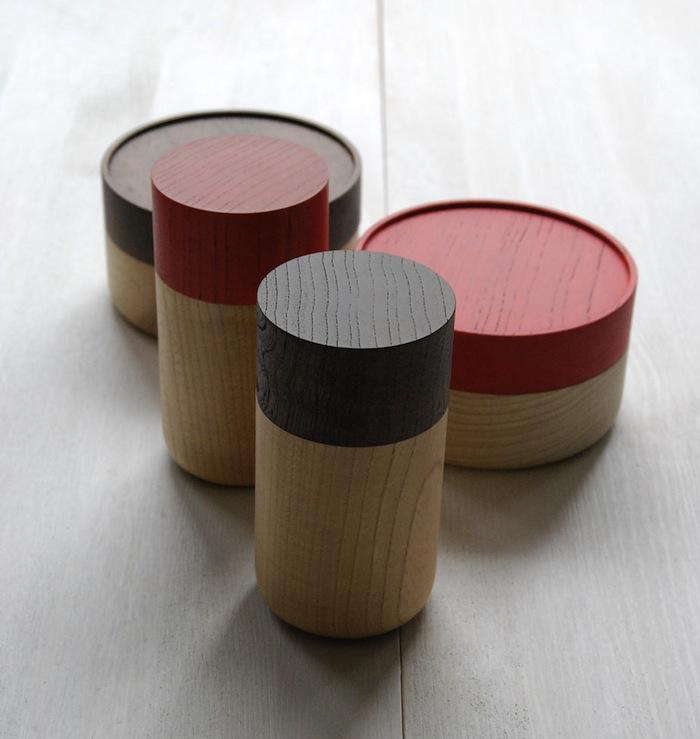

If your desk currently looks like a paperclip avalanche happened during a coffee emergency, take heart: there is a more elegant way to work. And no, it does not require becoming the kind of person who labels their labels. It simply means borrowing a few ideas from Japanese design, where desk accessories are often treated less like disposable office junk and more like tiny tools of civilized living.
That is the magic of high-style desk accessories with a Japanese edge. They do the practical stuffhold pens, corral paper, tame cables, keep notes in sightbut they also make your workspace feel intentional. Calm. Efficient. Maybe even a little smug, in the best possible way. The Japanese approach to desk design has long favored clean lines, compact forms, smart storage, tactile materials, and objects that do not shout for attention yet somehow make everything around them look better.
In an age of digital overload, these accessories also bring back something many home offices quietly miss: pleasure. The pleasure of a brass pen that gains character over time. The pleasure of a tidy tray that gives your earbuds a home instead of a permanent exile under the monitor. The pleasure of scissors so handsome you almost feel bad using them to open a utility bill.
This is not about filling your desk with random “cute” imports or turning your workspace into a museum of precious stationery. It is about choosing fewer, better pieces that improve how you work every day. A Japanese-influenced desk is not just stylish. It is thoughtful. And that difference matters.
What Gives Desk Accessories a Japanese Edge?
When people talk about Japanese desk accessories, they are usually responding to a specific mix of qualities rather than one single look. Yes, there is often minimalism involved. But the real appeal goes deeper than a clean white pen cup and a tasteful lack of chaos.
Japanese design, especially in stationery and small office tools, tends to prioritize usefulness first. A product has to earn its place. That is why so many beloved Japanese desk items are compact, multi-functional, portable, or cleverly engineered. The styling is rarely flashy for the sake of being flashy. Instead, it comes from proportion, materials, texture, and restraint.
That restraint is a big part of the charm. A Japanese-style tape dispenser, for example, might be made from cast iron, shaped like a simple geometric object, or designed so neatly that it feels more like a sculpture than an office supply. A pen might collapse into a tiny brass cylinder. A document organizer might tuck beneath the desk instead of occupying valuable surface space. The visual language says, “I am here to help,” not, “Look at me, I came in neon fuchsia and 14 unnecessary compartments.”
There is also a strong cultural respect for tools. In Japan, everyday objectsfrom kitchen knives to notebooksare often designed with unusual care. That attitude spills beautifully into desk accessories. Even mundane things like clips, rulers, correction tools, and scissors can feel refined, durable, and oddly satisfying to use.
Why This Style Works So Well in Modern Home Offices
The modern desk has a difficult job. It is not just a workstation anymore. It is a command center, video-call backdrop, charging station, snack zone, and occasional place to dramatically stare out the window while pretending to think. That means accessories can no longer be purely decorative or purely functional. They have to do both.
Japanese-inspired desk accessories thrive in exactly this kind of environment. They help reduce visual noise without making the space feel cold. They support organization without tipping into the office-supply-store version of overkill. And because many of these products are made for small-space living, they are particularly useful for apartment desks, shared workspaces, and compact home offices where every inch matters.
Take the rise of under-desk storage, modular trays, slim pen cases, vertical organizers, and compact notebooks. These are not trends that happened by accident. They reflect a broader shift toward workspaces that feel more edited and less bloated. The best Japanese-style accessories fit neatly into that mindset. They streamline the desk rather than crowd it.
That is also why these pieces pair so well with contemporary interiors. Whether your taste leans warm minimalist, Japandi, industrial, Scandinavian, or “I bought one good lamp and now I’m calling this a design concept,” Japanese desk accessories tend to play nicely with the room.
The Core Elements of a High-Style Japanese-Inspired Desk
1. Beautiful Writing Tools
No desk with a Japanese edge begins with a generic promotional pen from a long-forgotten dentist office. It begins with a writing instrument that feels deliberate. Japanese pens and pencils have an almost unfair reputation for combining precision, comfort, and design appeal.
A brass pen is one of the strongest examples. It ages beautifully, picks up a soft patina, and feels substantial in the hand. It is not trying to be luxurious in a flashy way. It is luxurious because it gets better with use. That is a very Japanese kind of appeal: beauty through function, character through time.
If brass feels too serious, there are also clean resin pens, compact rollerballs, mechanical pencils with sleek silhouettes, and stamp-pen hybrids that turn paperwork into something almost enjoyable. Almost. Let’s not get carried away.
2. Scissors and Cutters That Don’t Look Like Afterthoughts
One of the most delightful categories in Japanese desk design is also one of the most overlooked: scissors. Japanese scissors are often slim, balanced, and unexpectedly handsome. Some are made with craftsmanship associated with blade-making regions, while others lean playful and minimalist. Either way, they tend to look like they belong on the desk, not hidden in a drawer like a shameful plastic secret.
A stylish cutter or pair of scissors instantly upgrades the everyday rituals of opening packages, trimming notes, or snipping receipts. Functional? Yes. Glamorous? In a niche but deeply satisfying way, also yes.
3. Smart Paper Management
Paper clutter has a sneaky way of multiplying overnight. One receipt becomes three sticky notes, two printouts, a mystery warranty card, and a postcard you swear you are keeping for inspiration. Japanese-style desk accessories address this chaos with trays, clips, memo blocks, low-profile file holders, and under-desk organizers that keep paper close but controlled.
The best versions are unobtrusive. They do not dominate the desk. They simply create boundaries, which is often all clutter really needs. An under-desk organizer is especially clever because it moves visual bulk off the surface while keeping essentials accessible.
4. Storage That Looks Architectural
Good Japanese desk organization often feels architectural rather than decorative. Think tiered organizers, slender trays, modular boxes, pencil cups with disciplined shapes, and holders designed around the way objects naturally rest. These pieces are rarely oversized. They are meant to support order without becoming the whole personality of the desk.
This is where brands with a minimalist storage tradition really shine. Black, white, steel, and pale wood show up often because they work hard without overwhelming the space. They frame the desk instead of cluttering it.
5. A Touch of Warmth
Minimalism gets blamed for being sterile, usually by people who have only encountered the sad beige version of it. Japanese-influenced desk design avoids that trap by introducing warmth through material. Wood, cork, brass, coated paper, canvas, and textured card stock all help a workspace feel lived-in and tactile.
This is important because a desk should not feel like a showroom. It should feel like a place where ideas happen. Warm materials make even the most disciplined setup more human.
Real Examples That Capture the Look
If you want the fastest route to this aesthetic, look at the kinds of pieces repeatedly praised by design editors and specialty retailers. Sleek Yamazaki organizers are a prime example: compact, practical, and visually clean enough to disappear into the desk while still improving it. MUJI’s desk accessories go another direction, focusing on humble excellencememo pads, scissors, storage, tape, and organizers that look simple because the design work has already been done for you.
Then there are the more character-rich objects: a cast-iron tape dispenser, a geometric desk clock, a brass ballpoint pen, a beautifully made notebook, or a pen-and-stamp combination designed by a major Japanese industrial designer. These are the pieces that make a desk feel curated rather than merely organized.
Delfonics is another standout because it blends utility with personality. Its notebooks and desk goods have that rare quality of feeling playful and professional at the same time. A Rollbahn notebook, for instance, manages to be colorful, compact, and genuinely useful, which is more than can be said for many expensive notebooks that mainly exist to make people feel guilty for not journaling.
Kokuyo, meanwhile, represents the more system-oriented side of Japanese office design: learning, working, and organizing in ways that encourage flexibility and imagination. That matters because the best desk accessories do not just store objects. They support habits.
How to Build the Look Without Turning Your Desk into a Boutique
The secret to getting this style right is editing. Japanese-inspired desk design works because it is selective. You do not need 23 matching accessories and a philosophical commitment to beige. You need a few solid pieces that improve the way your desk functions and feels.
Start with the trio that affects daily life most: a writing tool you actually enjoy using, an organizer for small items, and a paper-management solution. That alone can shift the mood of your workspace. From there, add one object with sculptural presencea clock, tape dispenser, tray, scissors, or pen cup with some visual authority.
Keep your palette disciplined. Black, white, silver, brass, natural wood, soft gray, and muted colors tend to create the strongest Japanese edge. Bright accents can work, but they are most effective when controlled. One mustard notebook or one red pen case feels intentional. Seven unrelated neon objects feel like your desk lost a custody battle.
Also think about layers. A high-style desk should not be flat or rigid. Mix hard and soft materials: metal with paper, wood with canvas, brass with matte plastic, smooth trays with textured notebooks. That contrast is what keeps minimalism from becoming bland.
The Difference Between Minimal and Memorable
A lot of desk accessories claim to be minimalist. Some truly are. Others are just ordinary objects photographed next to an oat-milk latte. The Japanese edge comes from thoughtfulness, not marketing language.
Memorable desk accessories do one or more of the following: solve a problem elegantly, reveal careful engineering, age well, invite touch, or make a routine task feel more pleasant. They do not need to be expensive, but they do need to be considered.
That is why Japanese desk accessories have such staying power. They tend to offer a quiet kind of excellence. You may not notice it in one dramatic reveal. You notice it on a Tuesday afternoon when your desk is still tidy, your favorite pen still feels great, your notes are where they should be, and the small objects around you make the workday feel less frantic.
That is style doing its best jobnot distracting you from life, but improving how life unfolds.
Experience: What It Actually Feels Like to Work at a Desk with a Japanese Edge
The first thing you notice is not visual. It is emotional. A desk with a Japanese edge feels quieter, even before you sit down. The clutter is not gone because you suddenly became a flawless adult with a color-coded filing system. It is gone because the desk finally gives every object a place to land. Pens are together. Notes are contained. Loose paper is no longer drifting around like tiny administrative ghosts.
Then the tactile stuff kicks in. You reach for a brass pen, and it feels cool at first, then warm in your hand. You slide open a tray, and it moves with that satisfying little resistance that signals quality. You pick up a pair of scissors that actually cuts cleanly and looks like it belongs in a design exhibition instead of a junk drawer. Even the simple act of pulling a notebook toward you feels better when the paper has weight and the cover has texture.
It changes your pace. Not necessarily in a dramatic, “I have become a Zen monk of productivity” way. More in a subtle, useful way. You start handling your tools with a bit more care. You stop piling random objects in the nearest corner. You become slightly less willing to let chaos creep back in, because the desk now feels good enough to protect.
There is also a curious shift in attention. At a messy desk, your brain is always triaging. Ignore the cable tangle. Ignore the stack of sticky notes. Ignore the pen that barely works but somehow never gets thrown away. At a more intentional desk, those tiny frictions are reduced. The space asks less from you. And that means you can give more attention to the task itself.
One of the nicest parts is how grown-up the whole experience feels without becoming stiff or corporate. A Japanese-influenced workspace can still have personality. It can include a cheerful notebook color, an unexpectedly playful clip, a favorite paperweight, or a small desk clock with graphic charm. The difference is that the personality feels edited rather than noisy.
It also photographs beautifully, which should not be the main goal, but let’s be honest: it does not hurt. A few well-chosen accessories can make your desk look calm, competent, and faintly enviable on video calls. Instead of broadcasting “I am barely surviving,” your workspace quietly says, “I own scissors that deserve respect.”
Over time, the effect becomes less about aesthetics and more about ritual. You sit down, open the notebook, line up the day, place the phone in its spot, and begin. Those tiny repeated gestures create a sense of order that is oddly grounding. The desk becomes less of a dumping ground and more of a starting point.
That is probably the real reason high-style desk accessories with a Japanese edge resonate so strongly. They are not just pretty things for pretty desks. They improve the feel of work. They add calm without dullness, beauty without fuss, and discipline without severity. In other words, they make ordinary desk life feel a little more intentionaland a lot more enjoyable.
Conclusion
High-style desk accessories with a Japanese edge are not about chasing a trend. They are about choosing objects that respect both form and function. The best ones are compact, useful, tactile, and visually calm. They help you organize without overdecorating, edit without sterilizing, and work without feeling like you are trapped in a bland office-supply catalog.
Whether you start with a brass pen, a sculptural tape dispenser, a disciplined organizer, or a beautifully made notebook, the effect is the same: your desk becomes easier to use and nicer to live with. And that is the sweet spot. Because good design should not just sit there looking impressive. It should quietly make your day better.