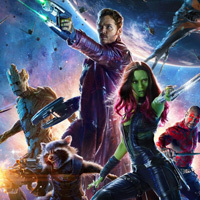

In 2014, Marvel convinced millions of people to buy tickets for a movie starring a talking raccoon, a sentient tree with one sentence in his vocabulary, a green assassin, a shirtless revenge machine, and a guy who introduced himself as Star-Lord even though almost nobody had asked. On paper, Guardians of the Galaxy sounded less like a guaranteed blockbuster and more like something your funniest friend made up after eating movie-theater nachos too quickly.
And yet, Marvel pulled it off. Not only did audiences show up, they showed up loudly. Guardians of the Galaxy opened in the United States on August 1, 2014, earned more than $94 million domestically in its opening weekend, and eventually flew to more than $773 million worldwide. For a movie based on a relatively obscure cosmic comic book team, that was not just success. That was Marvel walking into Hollywood’s casino, placing a raccoon on red, and somehow winning the table.
So how did Marvel trick you into seeing Guardians of the Galaxy? Not with dishonesty, but with one of the smartest entertainment marketing campaigns of the modern superhero era. Marvel used brand trust, music nostalgia, comedy, character-first trailers, casting surprises, and strategic timing to make a weird space opera feel like the movie everyone had to see.
The Word “Tricked” Really Means “Marketed Brilliantly”
Let’s be fair: Marvel did not drag anyone into the theater with a tractor beam. The “trick” was psychological, emotional, and extremely polished. The studio understood that the biggest problem with Guardians of the Galaxy was not quality. It was unfamiliarity.
Before the movie, most casual moviegoers knew Iron Man, Captain America, Thor, and the Hulk. Even if they had never read a comic, they understood the basic superhero menu. Guardians, however, was different. It did not take place primarily on Earth. It did not star an A-list Marvel hero. Its main characters looked like the result of a comic book, a space opera, and a comedy club being tossed into a blender.
Marvel’s solution was simple but clever: do not sell the movie as homework. Sell it as a party.
Marvel Used Its Brand as the Safety Net
By 2014, Marvel Studios had already built a powerful audience habit. Iron Man had launched the Marvel Cinematic Universe with swagger. The Avengers had proved that interconnected superhero storytelling could become a global event. By the time Guardians of the Galaxy arrived, the Marvel logo had become a promise: even if the characters were strange, the ride would probably be fun.
That brand trust mattered. A movie called Guardians of the Galaxy from an unknown studio might have sounded risky. A movie called Guardians of the Galaxy from Marvel sounded like a secret chapter in a larger adventure. The studio did not need audiences to recognize Rocket Raccoon. It only needed them to recognize the Marvel machine behind him.
This was one of the campaign’s most effective moves. Marvel made the unfamiliar feel familiar. The audience did not know the team, but they knew the universe. That was enough to get people curious instead of confused.
The Trailer Turned Confusion Into Comedy
The first major trailer did something many blockbuster trailers avoid: it admitted the characters were weird. Instead of pretending Star-Lord was already iconic, the trailer introduced him as a guy whose dramatic self-branding fell completely flat. When he announced “Star-Lord,” the joke was that nobody knew or cared who that was.
That was marketing judo. Marvel turned a weakness into a punchline. Viewers were not expected to know the Guardians. In fact, not knowing them became part of the fun.
The Lineup Scene Was a Genius Shortcut
The trailer’s police-lineup structure quickly explained the team without feeling like a lecture. Audiences learned the essentials: Peter Quill was a roguish thief, Gamora was deadly, Drax was dangerous, Rocket was heavily armed and emotionally unstable in the most entertaining way, and Groot was… Groot.
In a few minutes, Marvel accomplished what could have taken a dull encyclopedia-style marketing campaign months to do. It gave audiences a reason to remember each character. Better yet, it made each introduction funny, fast, and visually distinct.
“Hooked on a Feeling” Was the Secret Weapon
If the Marvel logo got people to pay attention, Blue Swede’s “Hooked on a Feeling” made them grin. The trailer’s use of the “ooga-chaka” chant instantly separated Guardians of the Galaxy from the usual dark, thunderous superhero marketing of the time. Instead of booming drums and grim speeches, audiences got retro pop, strange creatures, and a vibe that said, “Yes, this movie knows exactly how ridiculous it looks.”
That song did not merely accompany the trailer. It branded the movie. It told viewers that Guardians would be playful, self-aware, and emotionally warmer than its space-prison setting suggested.
The soundtrack became a major part of the film’s identity. Awesome Mix Vol. 1 was not just background music; it was a character device, tying Peter Quill to Earth and to his late mother. That emotional connection gave the film’s retro hits narrative weight. The music made the galaxy feel human.
Marvel Sold the Tone Before It Sold the Plot
Here is the honest truth: the plot of Guardians of the Galaxy is not what convinced most people to buy a ticket. A mysterious orb, Ronan the Accuser, cosmic power, and intergalactic stakes are all important inside the movie, but the marketing did not lean too heavily on lore. Instead, it sold a tone.
The tone was the product: sarcastic, colorful, rebellious, musical, and surprisingly heartfelt. Marvel understood that general audiences might not care about the Kree, Xandar, or Infinity Stones yet. But they could care about a bunch of losers learning how to become a family.
That emotional framing was crucial. The campaign made Guardians look less like a dense comic-book mythology lesson and more like a misfit adventure. You did not need to study before watching. You just needed popcorn and a willingness to accept that a raccoon might steal the movie.
Chris Pratt Made Star-Lord Feel Like an Audience Proxy
Casting Chris Pratt was another major part of the trick. At the time, Pratt was best known to many viewers for comedy, especially his role as Andy Dwyer on Parks and Recreation. He did not arrive as the obvious chiseled action lead. That worked in the movie’s favor.
Peter Quill needed to be charming, silly, insecure, and heroic in uneven amounts. Pratt gave Marvel a lead who could dance through an alien ruin, make a dumb joke, and still sell the emotional wound underneath the swagger. He made Star-Lord feel like a regular human who had wandered into cosmic madness with a Walkman and suspiciously high confidence.
That made the movie more approachable. The audience could enter the galaxy through Quill’s pop-culture references, Earth music, and very human confusion. He was not the strongest Guardian, the smartest Guardian, or even the most mature Guardian. But he was the bridge.
Rocket and Groot Were Marketed as the “You Have to See This” Factor
Every successful blockbuster needs a curiosity hook. Guardians of the Galaxy had two: Rocket and Groot. A gun-loving raccoon voiced by Bradley Cooper and a tree-like creature voiced by Vin Diesel sounded absurd. That absurdity became irresistible.
Marvel knew that people would talk about them. Even skeptics had to ask, “Wait, how does that work?” That question is marketing gold. Confusion can be dangerous, but curiosity sells tickets. Rocket and Groot became the movie’s walking, growling, branch-sprouting proof that Guardians was not another standard superhero origin story.
The Movie Made the Joke Before Critics Could
Another smart choice: the film and marketing never seemed embarrassed by Rocket or Groot. They were not hidden. They were placed front and center. Marvel basically said, “Yes, this is a raccoon with a machine gun. Keep up.”
That confidence helped audiences accept the premise. If the studio had treated these characters like a problem, viewers would have done the same. Instead, Marvel treated them like the reason to watch.
Marvel Used the “Misfit Family” Formula Perfectly
Under all the jokes, Guardians of the Galaxy is built on a deeply reliable emotional engine: broken people finding belonging. Peter lost his mother. Gamora was shaped by violence and control. Drax was consumed by grief. Rocket hid pain behind aggression. Groot expressed loyalty with very few words and excellent timing.
The marketing hinted at this without turning the trailers into therapy sessions. The campaign promised laughs, but the film delivered feeling. That combination created strong word of mouth. People came for the raccoon and stayed for the group hug.
This is one reason the movie lasted beyond opening weekend. It was not just a novelty act. It had emotional replay value. Viewers could laugh at Drax taking metaphors literally and still feel something when the team finally stood together.
The August Release Date Was Smarter Than It Looked
At the time, August was not always considered the prime landing zone for a major superhero launch. Summer’s biggest fireworks often arrived earlier. But that timing helped Guardians of the Galaxy stand out. It reached theaters when audiences still wanted spectacle, but many of the season’s biggest franchise entries had already made their first impact.
Instead of getting swallowed by a crowded early-summer battlefield, Guardians became the fresh surprise at the end of the season. Its opening weekend broke through expectations and helped redefine what an August blockbuster could do.
Social Proof Did the Rest
Once audiences saw the movie, the campaign gained a new weapon: people telling other people, “No, seriously, it’s good.” That kind of word of mouth is priceless, especially for a property that began with low mainstream recognition.
Positive audience reaction helped transform Guardians from a risky Marvel experiment into a cultural moment. Suddenly, people who had ignored the comics were quoting Groot, buying the soundtrack, and pretending they had always believed in cosmic raccoon cinema. Sure, Steve. We all saw your confidence in 2013.
How Marvel Tricked You Without Making You Feel Tricked
The best marketing rarely feels like marketing. Marvel did not simply shout, “This movie is important!” It invited audiences into a mood. It made the movie feel like a discovery, even though that discovery was carefully engineered through trailers, music, casting, brand positioning, and release strategy.
The studio’s real trick was lowering resistance. If audiences thought too hard about the premise, they might have hesitated. So Marvel made them feel something first: amusement, nostalgia, curiosity, and trust. By the time viewers asked, “Am I really excited to see a tree alien?” the answer was already yes.
The Bigger Impact on Marvel Movies
The success of Guardians of the Galaxy changed what audiences believed Marvel could sell. After this movie, the studio had proof that it did not need only household-name heroes. It could turn lesser-known characters into major franchise players if it found the right tone and the right emotional hook.
That mattered for later Marvel risks. Movies like Ant-Man and Doctor Strange benefited from the idea that audiences were willing to follow Marvel into stranger corners of its universe. Guardians expanded the MCU not only into space, but into a more flexible kind of storytelling where comedy, music, and weirdness could sit beside cosmic stakes.
Experiences Related to “How Marvel Tricked You Into Seeing ‘Guardians of the Galaxy’”
The experience of watching Marvel sell Guardians of the Galaxy is almost as interesting as watching the movie itself. Many viewers did not begin with excitement. They began with suspicion. A talking raccoon? A tree? A hero named Star-Lord? For casual audiences, the early reaction sounded less like “must-see cinema” and more like “Marvel has finally let the interns name things.”
Then the trailer arrived, and something shifted. People who had no connection to the comic suddenly had the same reaction: “I do not know what this is, but I want to know more.” That is the sweet spot of modern movie marketing. Marvel did not need everyone to understand the story immediately. It only needed them to feel that the movie had personality.
One common experience was the surprise of hearing old music in a new superhero context. The use of “Hooked on a Feeling” was funny because it felt unexpected. Superhero trailers had trained audiences to expect dramatic foghorns, tragic speeches, and cities folding like laundry. Guardians came dancing in with retro pop and a smirk. That contrast made the movie memorable before anyone knew the plot.
Another experience was realizing, during the film, that the marketing had not shown all its cards. The trailers promised comedy, but the movie delivered grief, loneliness, friendship, and sacrifice. Viewers who expected two hours of space jokes found themselves emotionally invested in a tree saying three words. That is not normal behavior, and yet millions of people accepted it completely.
The soundtrack also created an afterlife beyond the theater. People did not just remember the movie; they listened to it. Awesome Mix Vol. 1 turned the film into something portable. You could leave the cinema and still carry the mood in your car, your headphones, or your living room. That made the marketing loop continue after the credits. Every replay of the soundtrack reminded fans of the movie’s humor and heart.
For many fans, Guardians of the Galaxy became the movie that taught them not to underestimate Marvel’s weird ideas. Before seeing it, the concept looked risky. After seeing it, the risk looked obvious in hindsight, which is usually how great pop-culture surprises work. The audience did not feel fooled. It felt included in the joke.
That is why the phrase “Marvel tricked you” fits in a playful sense. The studio guided audiences past their skepticism using confidence, rhythm, humor, and emotional payoff. It made the strangest parts of the film feel like the strongest reasons to watch. By the end, viewers were not asking why Marvel made a movie about these characters. They were asking when they could see them again.
Conclusion
Guardians of the Galaxy was not a fluke. It was a carefully built case study in how to sell the unfamiliar. Marvel used its brand to create trust, its trailer to create curiosity, its soundtrack to create instant personality, and its characters to create emotional loyalty. The movie looked strange, but the campaign made strange feel safe, exciting, and surprisingly cool.
That is how Marvel tricked you into seeing Guardians of the Galaxy: by making you laugh before you doubted, making you hum before you analyzed, and making you care before you realized a talking raccoon had become one of the most bankable emotional support animals in blockbuster history.
Note: In this article, “tricked” refers to clever audience psychology and entertainment marketing, not literal deception.