
Note: This article is written in original American English and synthesizes current Minecraft survival-building knowledge, common player-tested generator layouts, and well-known water-lava mechanics without copying source text.
If Minecraft had a “top 10 blocks that quietly carry the entire game” list, cobblestone would walk in wearing sunglasses and sit at number one. It is not glamorous. It is not shiny. It does not scream “luxury base tour.” But try building furnaces, stone tools, walls, bridges, mob grinders, starter castles, or a Skyblock island without it. Suddenly, humble cobblestone becomes the gray, crunchy backbone of civilization.
That is where an infinite cobblestone generator comes in. Instead of digging half a mountain every time you need building blocks, you can create a small machine that produces cobblestone forever using one simple Minecraft rule: when flowing water meets flowing lava in the right way, cobblestone forms. Mine the new block, and another one appears. Mine that one, and another appears. Congratulations, you have invented the blocky version of a snack machine, except it serves rocks and occasionally threatens your eyebrows.
In this guide, you will learn how to make an infinite cobblestone generator in Minecraft, why it works, how to avoid turning it into obsidian, and how to improve the design for Survival, Skyblock, Java Edition, and Bedrock Edition. Whether you are a brand-new player with a wooden pickaxe or a veteran who treats redstone like electrical spaghetti, this tutorial will help you build a reliable cobblestone source.
What Is an Infinite Cobblestone Generator?
An infinite cobblestone generator is a small setup that uses water and lava to continuously create cobblestone blocks. The word “infinite” does not mean one block magically becomes a billion blocks in your inventory. It means the water and lava source blocks are not consumed when the cobblestone forms. As long as the liquids stay in place and you keep mining the generated block, the generator keeps working.
This makes cobblestone generators especially useful in Skyblock maps, survival islands, challenge worlds, superflat survival experiments, and early-game bases where you want building materials without carving up the nearby landscape. In normal Survival mode, you can always mine underground, but a generator is cleaner, safer, and easier when you need a steady supply near your base.
How the Water and Lava Mechanic Works
The most important rule is simple: cobblestone forms when flowing water touches flowing lava. If water touches a lava source block, the lava can become obsidian instead. That is useful when you want a Nether portal, but it is tragic when you wanted a cobblestone generator and accidentally created a tiny black monument to bad planning.
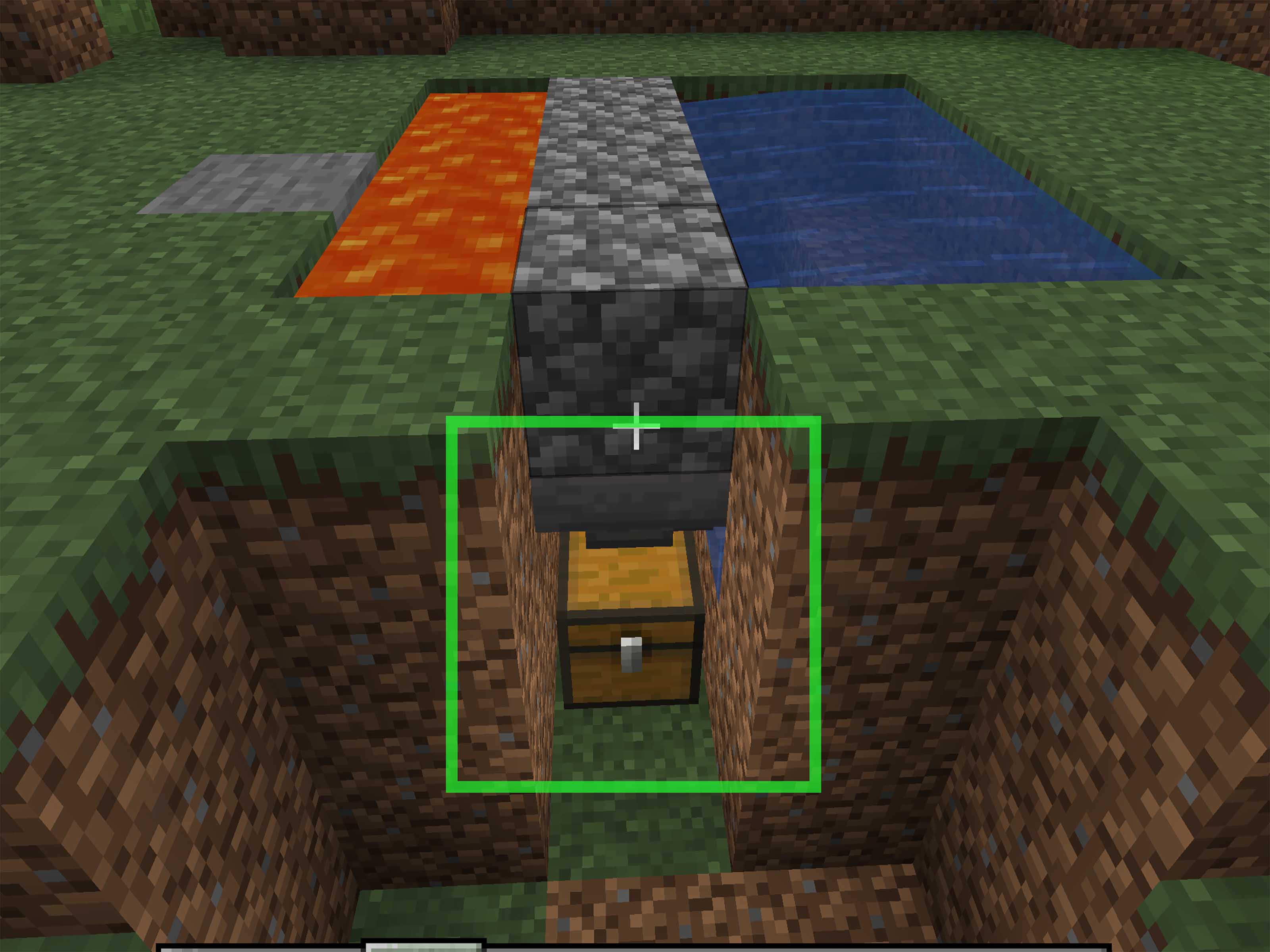
The basic design works by keeping the water source on one side and the lava source on the other side. The water flows into a small lower hole, stopping it from reaching the lava source. The lava flows toward the water, meets the flowing water at one controlled point, and creates cobblestone. You mine that cobblestone, the liquids meet again, and a new block appears.
Materials You Need
The easiest Minecraft cobblestone generator requires very few materials. You can build it within minutes once you have iron for buckets.
Basic Generator Materials
- 1 water bucket
- 1 lava bucket
- Any non-flammable building blocks, such as dirt, cobblestone, stone, or deepslate
- 1 pickaxe
You can technically build the generator directly in the ground, but using non-flammable blocks is smarter if you are building above ground. Do not build the lava side with wood unless your dream base aesthetic is “campfire accident.”
Recommended Extra Materials
- A stone, iron, diamond, or netherite pickaxe for faster mining
- A slab or stair to help control where you stand
- A chest and hopper if you want item collection
- Torches to keep the area mob-free
- Glass if you want to see the liquids without stepping into them like a distracted potato
Step-by-Step: How to Make an Infinite Cobblestone Generator in Minecraft
This is the classic beginner-friendly generator. It is compact, cheap, and works in both Java Edition and Bedrock Edition when built correctly.
Step 1: Choose a Safe Location
Pick a flat area near your base, but not directly inside your wooden starter house. Lava is useful, but it has the social manners of a raccoon in a bakery. Build your generator on dirt, stone, cobblestone, deepslate, or another non-flammable surface. Leave a few blocks of space around it so you can move safely.
Step 2: Dig a Four-Block Trench
Dig a straight trench that is four blocks long, one block wide, and one block deep. It should look like a narrow line in the ground:
This trench will guide the water and lava toward the cobblestone creation point.
Step 3: Dig One Block Deeper Near the Water Side
Choose one end to be the water side. From that end, dig the second block in the trench one block deeper. Your trench should now have one small drop where the water can fall into place.
This deeper hole is the secret sauce. It forces water to flow downward instead of rushing across the trench and touching the lava source.
Step 4: Place the Water
Place your water source at the end closest to the deeper hole. The water should flow into the deeper hole and stop before reaching the far end of the trench.
If the water flows all the way across, something is wrong. Pick it back up with your bucket and check the deeper hole placement. The water should behave like it has a responsible adult nearby.
Step 5: Place the Lava
Place your lava source at the opposite end of the trench. The lava should flow toward the water and create cobblestone in the block between them. Do not place lava first unless you enjoy chaos, sizzling noises, and sudden regret.
When placed correctly, the generated cobblestone block appears in the middle. That is the block you mine repeatedly.
Step 6: Mine the Cobblestone
Stand beside the generated block and mine it with a pickaxe. As soon as the cobblestone breaks, the water and lava interact again and create another cobblestone block. Keep mining, and the generator keeps producing.
Use a pickaxe, not your fist. Cobblestone mined without a pickaxe will not drop properly, and punching rocks is a lifestyle choice best left to Minecraft trees.
Simple Layout Diagram
Here is a basic top-down layout:
The water flows into the deeper hole. The lava flows toward the water. Cobblestone forms at the meeting point. You mine the cobblestone block, and another one appears.
Common Mistakes and How to Fix Them
Mistake 1: The Lava Turns Into Obsidian
If your lava becomes obsidian, the water probably touched the lava source block. To fix this, break the obsidian only if you have the right pickaxe, replace the lava, and rebuild the trench with the deeper hole correctly positioned. The water should never reach the lava source.
Mistake 2: The Water and Lava Spread Everywhere
This usually happens when the trench is too shallow, too wide, or missing side blocks. Contain both liquids with solid blocks. If building above ground, create walls around the trench before placing water and lava.
Mistake 3: Cobblestone Drops Into Lava
Sometimes mined cobblestone items bounce forward and burn in the lava. This is the Minecraft equivalent of dropping your sandwich into a volcano. To reduce item loss, stand closer to the water side and aim carefully. You can also add a hopper beneath the mining spot or redesign the generator so water pushes drops toward you.
Mistake 4: You Keep Mining the Wrong Block
Only mine the cobblestone block that regenerates between water and lava. Do not mine the block under the lava or the block that controls the water flow. If you remove the wrong block, the generator may break, flood, burn, or turn into modern art.
Best Pickaxes for Cobblestone Farming
A wooden pickaxe works, but it is slow. A stone pickaxe is better and easy to replace because, conveniently, your generator produces the material needed to craft more stone pickaxes. Iron is smoother, diamond is faster, and netherite is luxury mining with a side of flex.
For long cobblestone farming sessions, enchantments help. Efficiency speeds up mining. Unbreaking makes your pickaxe last longer. Mending repairs durability when you collect experience. If you mine stone with Silk Touch, you can collect stone instead of cobblestone in certain setups, but for a standard cobblestone generator, a normal pickaxe is perfectly fine.
How to Improve Your Cobblestone Generator
Add a Standing Platform
Place a block, slab, or stair beside the mining spot so you always stand in the safest position. This keeps you from sliding into the water or leaning too close to lava. Minecraft movement is usually simple, but one accidental step can turn your inventory into a barbecue menu.
Add a Roof or Backstop
A backstop behind the cobblestone block helps prevent mined items from flying into lava. A low roof can also stop you from jumping while mining, which keeps your cursor steady and your cobblestone collection more consistent.
Add Hoppers and a Chest
If you have enough iron, place a hopper where cobblestone drops are likely to land and connect it to a chest. This turns your manual generator into a cleaner farming station. You still need to mine the block, but the items can be collected automatically.
Use Non-Flammable Blocks
Replace nearby dirt and wood with cobblestone, stone bricks, deepslate, or other safe blocks. This makes the generator more durable and reduces fire risk. It also makes the whole thing look less like you built it during a creeper-induced panic attack.
Can You Make an Automatic Cobblestone Generator?
Yes, you can make automatic or semi-automatic cobblestone generators with pistons, observers, redstone clocks, TNT blast chambers, or modded machinery. In vanilla Minecraft, many automatic designs use pistons to push newly formed cobblestone into a row. The player can then mine from one spot, or a more advanced system can use explosions to break blocks and collect drops.
However, fully automatic cobblestone farms are more complicated and may behave differently depending on Java Edition, Bedrock Edition, server rules, redstone timing, and whether TNT duplication is allowed. For most beginner and mid-game players, a simple manual generator is the best starting point. It is cheap, reliable, and does not require a degree in redstone wizardry.
Java Edition vs. Bedrock Edition Tips
The basic water-lava cobblestone generator works in both Java and Bedrock. The main differences appear when you start adding redstone, pistons, item collection, or automation. Bedrock redstone timing can differ from Java redstone timing, so do not assume every Java tutorial will work perfectly in Bedrock without adjustment.
For a simple four-block trench generator, the same principles apply: place water first, control the water with a deeper hole, place lava on the opposite side, and mine the cobblestone that forms between them.
Why Cobblestone Generators Matter in Skyblock
In Skyblock, a cobblestone generator is not just convenient. It is survival itself. You usually start with a tiny island, a tree, a lava bucket, and ice or water. If you waste the lava or turn it into obsidian too early, your progress can become painfully difficult. That is why players often build the generator before doing anything fancy.
With infinite cobblestone, you can expand your island, build mob platforms, create farms, reach other islands, craft furnaces, and protect yourself from falling into the void. Cobblestone is basically your Skyblock bank account. Spend it wisely, and maybe add railings. The void has no refund policy.
Safety Tips Before You Start Mining
- Keep your lava source protected so water cannot touch it.
- Do not stand directly in front of the lava side.
- Store valuable items before testing a new generator.
- Use non-flammable blocks around the build.
- Keep a water bucket nearby if you are working with exposed lava.
- Light the area to prevent mobs from interrupting your mining session.
Useful Ways to Use All That Cobblestone
Once your generator is running, cobblestone piles up quickly. Use it to craft furnaces, stone tools, stone stairs, slabs, walls, levers, droppers, dispensers, and building foundations. Smelt cobblestone into stone for cleaner builds, then turn stone into stone bricks for castles, towers, pathways, and underground bases.
Cobblestone is also excellent for temporary scaffolding, Nether bridges, mob farm platforms, and defensive walls. It is blast-resistant enough for many practical builds and cheap enough that you will not cry if a creeper edits your architecture without permission.
Advanced Design Idea: A Compact Protected Generator
After you understand the basic trench design, try building a protected version above ground. Make a small frame out of cobblestone or stone bricks. Enclose the lava behind glass or solid blocks, leave only the generated cobblestone exposed, and create a standing spot one block lower than the mining target. Add a hopper under the collection area if possible.
This design is safer, looks better, and works nicely inside a starter base. You can decorate it with stone bricks, lanterns, trapdoors, or signs. A good cobblestone generator does not have to look like a puddle arguing with a campfire. It can be a proper workshop feature.
Personal Experience: What Building Cobblestone Generators Teaches You
The first time many players build a cobblestone generator, they learn an important Minecraft lesson: tiny details matter. One block in the wrong place can turn a perfect generator into obsidian, a flood, or a lava spill that eats your starter chest. It is frustrating at first, but it is also one of the best little engineering lessons in the game.
There is something satisfying about making a machine from almost nothing. You start with a bucket of water, a bucket of lava, and a hole in the ground. A few seconds later, you have a renewable source of one of Minecraft’s most useful blocks. It feels like discovering a secret handshake with the game’s physics. Water plus lava equals progress, as long as you do not panic-click the wrong square.
In Skyblock, the experience becomes even more dramatic. Every block matters. You crouch carefully near the edge, place your water, place your lava, and stare at the first cobblestone block like it just paid your rent. Then you mine it. Another appears. Suddenly your tiny island has a future. You can build outward, make platforms, create farms, and stop living like a nervous bird on a dirt cube.
For beginners, the generator also teaches good building habits. You learn to test safely, contain liquids, use non-flammable blocks, and think about item drops. You learn that Minecraft is not only about mining and fighting mobs; it is also about systems. A cobblestone generator is one of the earliest systems a player can build, and it introduces the same mindset used later for crop farms, mob grinders, villager halls, iron farms, and redstone contraptions.
There is also a relaxing rhythm to using one. Mine, collect, repeat. It is not glamorous, but it is peaceful in that classic Minecraft way. You can farm cobblestone while planning a castle, listening to cave sounds you are pretending not to hear, or waiting for crops to grow. The only danger is zoning out and breaking the wrong block, which is why many experienced players eventually add protective walls and a fixed standing position.
Once you have built a few generators, you start customizing them. Maybe you add a hopper and chest. Maybe you build it into the wall of your base. Maybe you decorate it with stone bricks and lanterns so it looks like a medieval quarry station. Maybe you get ambitious and try a piston-powered design. That is the beauty of Minecraft: the basic idea is simple, but the upgrades can go as deep as you want.
The best advice from experience is this: build the simple version first. Do not start with a giant redstone farm if you have never made the basic water-lava setup. Master the small trench. Understand why the deeper hole matters. Watch how the liquids flow. After that, every advanced design makes more sense. Cobblestone may be ordinary, but learning how to generate it infinitely is a small Minecraft milestone that makes you feel clever every time it works.
Conclusion
Learning how to make an infinite cobblestone generator in Minecraft is one of the most useful early-game skills you can master. The design is cheap, compact, and reliable: dig a four-block trench, make one section deeper, place water on one side, place lava on the other, and mine the cobblestone that forms between them. As long as the water and lava source blocks stay safe, the generator keeps producing cobblestone forever.
For Survival players, it saves mining time. For Skyblock players, it unlocks progression. For builders, it provides endless raw material. And for everyone else, it is a fun reminder that Minecraft’s best inventions often begin with two buckets and a questionable hole in the ground.