
Note: This article is written in standard American English, based on synthesized guidance from reputable U.S. pool-care, public-health, home-improvement, and equipment sources. No source links are inserted in the article body for clean web publishing.
Introduction: Is a Saltwater Pool Really Worth It?
A saltwater pool sounds like the backyard version of a beach vacation: soft water, fewer harsh chemical smells, and a swimming experience that makes your skin feel less like it just survived a science experiment. But before you start picturing yourself floating like a resort guest with a lemonade in hand, there is one important truth to understand: a saltwater pool is not a chlorine-free pool.
That little surprise catches many homeowners off guard. Saltwater pools still use chlorine to sanitize the water. The difference is how the chlorine gets there. Instead of adding chlorine tablets, granules, or liquid chlorine by hand as often, a salt chlorine generator converts dissolved salt into chlorine through a process called electrolysis. The result is a steady supply of sanitizer that helps keep the pool clean, clear, and swim-ready.
For many homeowners, saltwater pools offer a more comfortable swimming experience and simpler day-to-day maintenance. For others, the higher upfront cost, equipment requirements, and possible corrosion issues make them think twice. Like most home upgrades, a saltwater pool is not automatically “better.” It is better for certain budgets, climates, pool materials, and maintenance personalities.
This guide breaks down the real pros and cons of saltwater pools before installation, including costs, maintenance, comfort, equipment concerns, and practical examples. Think of it as your pre-pool reality checkminus the soggy towel smell.
What Is a Saltwater Pool?
A saltwater pool is a swimming pool that uses dissolved salt and a salt chlorine generator to produce chlorine automatically. The pool water contains a much lower salt level than ocean water, so it should not taste like you accidentally swallowed a wave at the beach. Most residential saltwater pools operate at a salinity level that feels mild, not seawater-strong.
The key component is the salt chlorine generator, sometimes called a salt cell, chlorinator, or saltwater system. As pool water passes through the generator, an electrical charge converts salt into chlorine. That chlorine sanitizes the water by helping kill bacteria, control algae, and keep the pool safe for swimming.
Saltwater Pool vs. Traditional Chlorine Pool
In a traditional chlorine pool, the homeowner or pool technician adds chlorine directly. This may come in tablets, sticks, granules, or liquid form. In a saltwater pool, chlorine is still present, but it is generated on-site from salt already dissolved in the water.
The biggest difference is convenience. Traditional pools often require more frequent manual chemical dosing, while saltwater systems can maintain a steadier chlorine level when properly sized and adjusted. However, saltwater pools still need testing, balancing, cleaning, and occasional shock treatment. They are lower-maintenance, not no-maintenance. Any pool that claims to clean itself entirely is either marketing too hard or secretly a bathtub with ambition.
How Saltwater Pool Systems Work
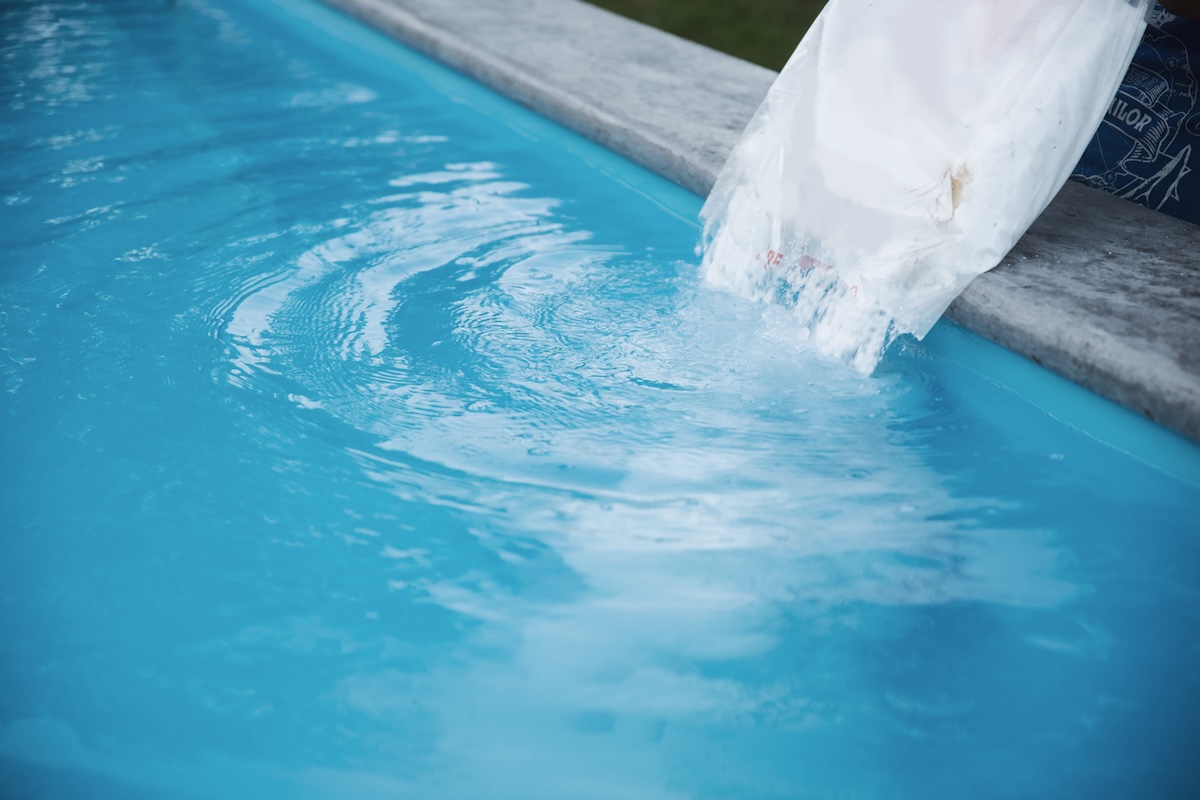
A saltwater pool begins with pool-grade salt added to the water. Once dissolved, the water circulates through the pool plumbing and into the salt chlorine generator. Inside the generator cell, electrolysis separates the salt molecules and creates chlorine sanitizer. The chlorine then returns to the pool water to do its job.
After chlorine sanitizes the pool, part of it converts back into salt, allowing the cycle to continue. This is why saltwater pools do not require constant salt replacement under normal conditions. Salt usually only needs to be added after water loss from splash-out, backwashing, leaks, heavy rain dilution, or draining.
Important Equipment Needed
A saltwater pool system typically includes a salt chlorine generator, control panel, salt cell, pool pump, filter, plumbing connections, and proper electrical bonding. The generator must be sized for the pool volume. In many cases, choosing a unit rated for a larger pool than yours is wise because it can produce enough chlorine without running at maximum output all the time.
Professional installation is strongly recommended, especially because electrical connections, flow sensors, plumbing direction, and bonding all matter. A poorly installed system may produce unreliable chlorine, damage equipment, or create safety concerns.
Pros of Saltwater Pools
1. Softer, More Comfortable Water
One of the biggest reasons homeowners choose saltwater pools is the feel of the water. Saltwater pools often feel smoother and gentler on the skin and eyes than many traditionally chlorinated pools. Swimmers frequently describe the water as “silky,” which sounds fancy but is actually a pretty accurate description.
This comfort does not mean there is no chlorine. Instead, saltwater systems tend to produce chlorine more steadily, which may reduce the strong chemical peaks and dips that sometimes happen when chlorine is added manually. When water chemistry is balanced, the pool can feel less harsh, especially for people who dislike the sharp odor associated with poorly managed chlorine pools.
2. Less Strong Chlorine Smell
That classic “pool smell” is often blamed on chlorine, but it is usually more complicated. Strong odors are commonly associated with chloramines, which form when chlorine reacts with sweat, oils, urine, and other swimmer waste. In plain English: the smell is not proof the pool is extra clean; it may be proof people need to shower before swimming.
Because saltwater systems can provide a more consistent sanitizer level, many owners notice less odor when the pool is properly balanced. This can make the backyard feel more like a relaxing retreat and less like a high school locker room wearing cologne.
3. Lower Day-to-Day Chemical Handling
Saltwater pools reduce the need to regularly buy, store, and handle chlorine tablets or liquid chlorine. This is a major advantage for homeowners who dislike dealing with strong pool chemicals. You still need to test the water and may need chemicals to adjust pH, alkalinity, calcium hardness, cyanuric acid, or shock levels, but routine chlorination is more automated.
This benefit is especially attractive for families that want a pool but do not want their garage to become a tiny chemical warehouse. Fewer chlorine jugs also means fewer emergency store runs when the water starts looking suspiciously “swamp chic.”
4. More Consistent Chlorine Production
A properly sized salt chlorine generator can produce chlorine steadily during pump operation. This helps avoid the roller coaster effect that can happen when chlorine is added in large doses and then gradually drops. Consistency is one of the most practical benefits of saltwater pool systems.
Stable sanitizer levels can help prevent algae growth, cloudy water, and sudden chemistry problems. However, the system still depends on proper pump run time, correct output settings, clean equipment, and balanced water. Automation helps, but it does not replace responsible pool care.
5. Potential Long-Term Savings on Chlorine
Saltwater pools usually cost more upfront, but they may reduce ongoing chlorine purchases over time. Instead of buying chlorine as frequently, owners mainly replace salt as needed and maintain the generator cell. This can be helpful in years when chlorine prices rise or local supply becomes inconsistent.
That said, savings are not guaranteed. The salt cell eventually wears out and must be replaced, usually after several years depending on use, water chemistry, and maintenance. When comparing costs, homeowners should include both reduced chlorine purchases and future salt cell replacement.
Cons of Saltwater Pools
1. Higher Upfront Installation Cost
The most obvious downside of a saltwater pool is the initial cost. A salt chlorine generator can add a significant expense to a new pool installation or pool conversion. Equipment, professional installation, electrical work, and possible plumbing adjustments can push the price higher than a basic chlorine setup.
For homeowners already spending tens of thousands of dollars on an inground pool, the extra cost may feel manageable. For budget-focused above-ground pool owners, it may feel like the pool just asked for a luxury handbag.
2. Salt Cell Replacement Costs
The salt cell is a hardworking part of the system, and it does not last forever. Many residential salt cells last several years, but lifespan depends on pool size, usage, water balance, operating hours, and how well the cell is maintained. When the cell fails, chlorine production drops or stops, and replacement can be expensive.
This is one of the biggest hidden costs of saltwater pool ownership. The pool may save money on chlorine, but the system has its own maintenance cycle. Smart homeowners budget for salt cell replacement from the beginning rather than acting shocked later, like the pool personally betrayed them.
3. Possible Corrosion Issues
Saltwater can be corrosive when water chemistry is poorly managed or when pool materials are not compatible. Metal handrails, ladder anchors, light fixtures, heaters, natural stone, coping, and some deck materials may be vulnerable if salt levels, pH, or bonding are not properly controlled.
This does not mean saltwater pools automatically destroy everything nearby. Many perform beautifully for years. But installation details matter. Proper bonding, compatible materials, sealed stone, corrosion-resistant fixtures, and balanced water chemistry all help reduce risk.
4. pH Tends to Rise
Saltwater pools often experience rising pH levels. If pH gets too high, chlorine becomes less effective, scale may form, and water can become cloudy. High pH can also contribute to calcium buildup on the salt cell.
Owners should expect to test pH regularly and adjust it when needed. This is not difficult, but it is important. A saltwater pool with ignored pH is like a houseplant that gets inspirational quotes instead of waterit may look fine briefly, but trouble is coming.
5. Not Ideal for Every Pool Type
Saltwater systems can work with many inground and above-ground pools, but compatibility depends on materials. Some metal-walled above-ground pools or older equipment setups may not be good candidates. Vinyl, fiberglass, and concrete pools can all use salt systems, but each has different considerations.
Before installation, homeowners should check manufacturer recommendations for liners, heaters, pumps, filters, ladders, lights, covers, and decking. A pool professional can help identify whether the existing setup can handle saltwater safely.
Saltwater Pool Installation Costs to Consider
The cost of installing a saltwater pool depends on whether you are building a new pool or converting an existing chlorine pool. For a new inground pool, the salt system is usually an add-on cost within the larger pool construction budget. For conversion, the main costs include the salt chlorine generator, installation labor, salt, plumbing adjustments, and electrical work if needed.
Homeowners should also consider long-term expenses. These may include replacement cells, test kits, acid or other balancing chemicals, occasional professional service, equipment repairs, and energy costs from pump operation. While saltwater systems reduce manual chlorination, they do not eliminate the cost of owning a pool.
Example Budget Scenario
Imagine a homeowner converting a 20,000-gallon chlorine pool to saltwater. The project may include purchasing a properly sized generator, hiring a professional installer, adding pool-grade salt, and balancing the water after startup. The upfront conversion may cost more than a season of chlorine supplies, but the homeowner may enjoy easier routine chlorination and fewer trips to buy sanitizer.
However, if the salt cell needs replacement in a few years, that cost must be included in the long-term calculation. The best financial comparison is not “salt is cheaper than chlorine.” It is “salt system equipment plus maintenance versus traditional chlorine chemicals plus maintenance over several years.”
Maintenance Requirements for Saltwater Pools
Saltwater pool maintenance is simpler in some ways but still requires consistency. Owners should test free chlorine, pH, alkalinity, salt level, stabilizer, and calcium hardness. The filter, pump basket, skimmer, and pool surfaces still need cleaning. Leaves do not see a saltwater pool and politely decide to fall elsewhere.
Weekly Maintenance Tasks
Weekly care usually includes testing chlorine and pH, emptying baskets, brushing pool walls, skimming debris, checking water level, and confirming the generator is producing chlorine. If chlorine is low, you may need to increase generator output, run the pump longer, clean the cell, or investigate water balance issues.
Monthly and Seasonal Tasks
Monthly tasks may include checking salt levels, inspecting the salt cell for scale, testing alkalinity and calcium hardness, and reviewing equipment performance. Seasonal care may include opening, closing, winterizing, or adjusting generator output as water temperature and swimmer demand change.
In colder water, some salt chlorine generators reduce or stop chlorine production. Homeowners in cooler climates should understand how their specific system behaves when temperatures drop and plan winter maintenance accordingly.
Saltwater Pools and Health: What Homeowners Should Know
Saltwater pools can feel gentler on skin and eyes, but they are not medical treatments. People with sensitive skin may prefer the feel of saltwater, yet irritation can still occur if chlorine, pH, alkalinity, or chloramines are out of balance. The healthiest pool is not defined by salt alone. It is defined by proper sanitation and water chemistry.
Swimmers should still shower before entering the pool, avoid swimming when sick, and keep children from treating the pool like a giant restroom with better lighting. Good swimmer hygiene reduces chloramines and helps the sanitizer work more effectively.
Best Candidates for a Saltwater Pool
A saltwater pool may be a smart choice if you want a softer swimming feel, prefer automated chlorine production, dislike frequent manual chlorine handling, and are comfortable paying more upfront for convenience. It is also a strong option for homeowners who swim often and want consistent water quality throughout the season.
Saltwater may be less ideal if you have a very tight budget, metal-heavy pool components, delicate natural stone around the pool, an older above-ground structure, or no interest in testing water chemistry. If your maintenance style is “ignore it and hope,” saltwater will not save you. It will simply automate part of the problem while quietly judging you.
Questions to Ask Before Installing a Saltwater Pool
Before choosing a saltwater system, ask these practical questions:
- Is the generator properly sized for my pool volume?
- Are my pool materials compatible with saltwater?
- Will my heater, rails, ladder anchors, lights, and decking resist corrosion?
- What is the expected salt cell lifespan and replacement cost?
- How often should I test pH, chlorine, alkalinity, and salt?
- Does the system work efficiently in my climate?
- Who will maintain the pool: me, a service company, or a heroic neighbor bribed with barbecue?
These questions help prevent expensive surprises and make sure the system fits your lifestyle, not just your Pinterest board.
Saltwater Pool Experience: What Ownership Feels Like in Real Life
Owning a saltwater pool often feels easier than managing a traditional chlorine pool, but the experience is not completely hands-off. In the first few weeks after installation, most homeowners need time to learn the control panel, generator output percentage, salt level readings, and water testing routine. It can feel a little intimidating at first, like your pool has suddenly become a small appliance with opinions.
The biggest day-to-day difference many owners notice is convenience. Instead of adding chlorine tablets every few days or watching chlorine levels swing dramatically after heavy use, the salt system produces sanitizer gradually while the pump runs. This can make the pool feel more predictable. After a weekend party, for example, you may still need to test and adjust the water, but the system gives you a stronger baseline than relying only on manual chlorine additions.
The swimming experience is also a major part of the appeal. Many families say saltwater feels softer on the skin, especially after long swims. Hair may feel less dried out, swimsuits may hold up better when chemistry is balanced, and the pool area often has less of that sharp chemical odor people associate with public pools. For parents, this can make pool time more pleasant because fewer kids climb out rubbing their eyes like tiny dramatic actors in a soap opera.
However, the maintenance learning curve is real. Saltwater pools commonly require regular pH attention. If pH rises and stays high, the water may become cloudy, chlorine may work less effectively, and scale can build on the salt cell. Owners who test weekly usually catch this early. Owners who test “whenever the moon looks weird” may discover problems only after the water starts looking like diluted pea soup.
Another real-life lesson is that salt readings can vary. A control panel may show one number, while a test strip or professional water test shows another. Temperature, cell condition, calibration, and water balance can affect readings. This is why many experienced owners do not rely on the control panel alone. They confirm with independent testing before adding large amounts of salt. Adding too much salt is easier than removing it, and the usual fix may involve draining and refilling part of the pool.
Homeowners with natural stone patios or metal fixtures often become more aware of splash-out. Saltwater left to dry repeatedly on soft stone, unsealed surfaces, or cheaper metal parts may contribute to wear over time. A simple habit like rinsing coping, rail areas, and nearby surfaces after heavy swimming can help protect the pool environment. It is not glamorous maintenance, but neither is replacing corroded hardware because everyone cannonballed for three summers straight.
In terms of lifestyle, saltwater pools reward owners who like routine but dislike constant chemical handling. If you are willing to test water, clean baskets, brush surfaces, inspect the cell, and make small adjustments, the system can feel wonderfully convenient. If you want a pool that manages itself while you pretend skimming leaves is a rumor invented by pool stores, you may be disappointed.
The most satisfied saltwater pool owners tend to understand the trade-off: they pay more upfront and accept equipment responsibility in exchange for smoother water, steadier chlorination, and fewer manual chlorine chores. For frequent swimmers, that trade-off can feel absolutely worth it. For occasional swimmers or homeowners planning to sell soon, the math may be less convincing.
Conclusion: Should You Install a Saltwater Pool?
A saltwater pool can be an excellent investment for homeowners who want softer-feeling water, less routine chlorine handling, and more consistent sanitizer production. It is especially appealing for families that swim often and want a backyard pool that feels more comfortable and easier to manage.
Still, saltwater pools are not magic. They cost more to install, require a salt chlorine generator, need regular water testing, and can create corrosion or scaling problems when neglected. The best decision comes down to budget, pool materials, climate, maintenance habits, and how much you value convenience.
If you are willing to maintain water balance and budget for future cell replacement, a saltwater pool may make your backyard feel more resort-like with less daily chemical fuss. If you want the cheapest possible setup or a pool that needs almost no attention, traditional chlorine may be the more practical choice. Either way, the pool will still demand carebecause even paradise has a skimmer basket.