
Note: In current vanilla Minecraft, chain armor is not craftable in Survival mode. So when players ask how to “make” chain armor in Minecraft, the honest answer is: you either obtain it through real in-game methods, spawn it in Creative or commands, or use mods/data packs if you want an actual recipe.
Chain armor in Minecraft is one of those weird items that feels like it should have a recipe. It is literally called chain armor. Minecraft has chains. Minecraft has iron nuggets. Your brain naturally says, “Great, I will put tiny metal bits on a crafting table and become a medieval disco ball.” Unfortunately, vanilla Minecraft looks at that very reasonable idea and says, “Nope. Go talk to a villager.”
This guide explains how to make chain armor in Minecraft in the practical sense: how to get a full chainmail set, how to use commands if you are in Creative or testing mode, how to repair it, and why the old “fire recipe” is mostly Minecraft archaeology at this point. Whether you play Java Edition or Bedrock Edition, these eight steps will help you collect the chainmail helmet, chainmail chestplate, chainmail leggings, and chainmail boots without wasting three hours trying to craft them with chains like a very determined blacksmith raccoon.
What Is Chain Armor in Minecraft?
Chain armor, also called chainmail armor, is a medium-tier armor set in Minecraft. A complete set includes four pieces: helmet, chestplate, leggings, and boots. It offers better protection than leather armor and gold armor in many situations, but it is weaker than iron armor overall. That makes it a little strange from a gameplay perspective because iron armor is easier to craft, easier to replace, and usually more practical for survival.
So why do players still want chain armor? Simple: it looks cool. The partly transparent texture gives it a unique medieval style, especially on armor stands, roleplay servers, adventure maps, and survival worlds where collecting every armor type becomes a personal quest. Chainmail is not the strongest gear in the game, but it has collector energy. It is the armor equivalent of finding a suspiciously fancy spoon in a dungeon chest: not necessary, but absolutely going in the display room.
Can You Craft Chain Armor in Minecraft?
No, you cannot craft chain armor in normal vanilla Survival mode. This is the most important fact to know before you begin. There is no official crafting table recipe using chains, iron nuggets, iron ingots, or any combination of “surely this should work” materials.
Older versions of Minecraft had a strange technical recipe involving fire blocks, but that was never a normal Survival method. Fire blocks were not obtainable as regular survival items, and modern versions no longer support that old approach in the same way. If someone tells you to craft chainmail armor with fire, they are either talking about very old Minecraft history, commands, or the kind of internet wisdom that belongs in a museum next to “Herobrine is behind you.”
How to Make Chain Armor in Minecraft: 8 Steps
Step 1: Decide Whether You Want Survival, Creative, Commands, or Mods
Before chasing chain armor, decide what “make” means for your world. In a normal Survival world, you will be obtaining chain armor rather than crafting it. Your best options are villager trading, mob drops, and loot chests depending on your edition and world luck.
In Creative mode, the process is much easier. Open the Creative inventory, search for “chainmail,” and grab the pieces directly. In a command-enabled world, you can use the /give command to place chainmail items into your inventory. If you want an actual crafting recipe, you need a data pack, mod, or custom server plugin that adds one.
This matters because many players waste time trying recipe combinations that simply do not exist in vanilla Minecraft. Chains do not become chainmail armor. Iron nuggets do not become chainmail armor. A crafting table cannot be bullied into inventing a recipe, even if you stare at it dramatically.
Step 2: Find or Create an Armorer Villager
The most reliable Survival method for getting chain armor is trading with an armorer villager. Armorers are villagers who use a blast furnace as their job site block. If you already have a village, look for a villager wearing an apron-like armorer outfit. If the village does not have an armorer, place a blast furnace near an unemployed villager during working hours and wait for that villager to claim the profession.
To craft a blast furnace, you need a furnace, iron ingots, and smooth stone. Once placed, the blast furnace can turn an unemployed villager into an armorer, assuming the villager is not a nitwit and has access to the block. Trade with the armorer to level them up. As they gain experience, they can offer armor trades, including chainmail pieces depending on the available trade selection.
This is the cleanest path because it is renewable. You are not waiting for one skeleton in sparkly pajamas to spawn at 2 a.m. You are building a little economy, except the economy mostly involves emeralds, furnaces, and a villager making judgmental “hrrrm” noises.
Step 3: Gather Emeralds for Trading
Chain armor from an armorer costs emeralds, so you need a steady emerald supply. The easiest way is to trade with other villagers first. Farmers buy crops such as wheat, carrots, potatoes, and pumpkins. Fletchers often buy sticks, which makes them a favorite early-game emerald source because trees are everywhere and sticks are basically Minecraft’s loose change.
You can also earn emeralds by mining in mountain biomes, looting structures, curing zombie villagers for discounts, or setting up a small trading hall. If your goal is a full chain armor set, bring more emeralds than you think you need. Villager trades can vary, and one armorer may not conveniently sell all four chainmail pieces right when you want them.
A practical strategy is to build a small villager trading area near your base. Keep a farmer, fletcher, librarian, and armorer close together. Sell crops and sticks, buy chainmail when the trade appears, and try not to accidentally hit a villager unless you enjoy paying the “I made everyone mad” tax.
Step 4: Level Up the Armorer Until Chainmail Trades Appear
Villagers have profession levels, and better trades unlock as they gain experience. Start with the armorer’s basic trades and keep trading until new offers appear. You may see iron armor, bells, shields, chainmail pieces, or later enchanted diamond armor depending on edition and trade rules.
If one armorer does not offer the chainmail piece you need, create another armorer. This is normal. Villager trading can feel like shopping at a store where the cashier decides the inventory by mood. One armorer may sell chainmail boots and leggings, while another has the helmet or chestplate. With enough armorers, you can complete the full set.
For best results, protect your villagers. Light up the area, add doors or walls, and keep zombies out. Nothing ruins a shopping trip faster than your chainmail supplier becoming a zombie villager and trying to eat the customer.
Step 5: Hunt Armored Zombies and Skeletons
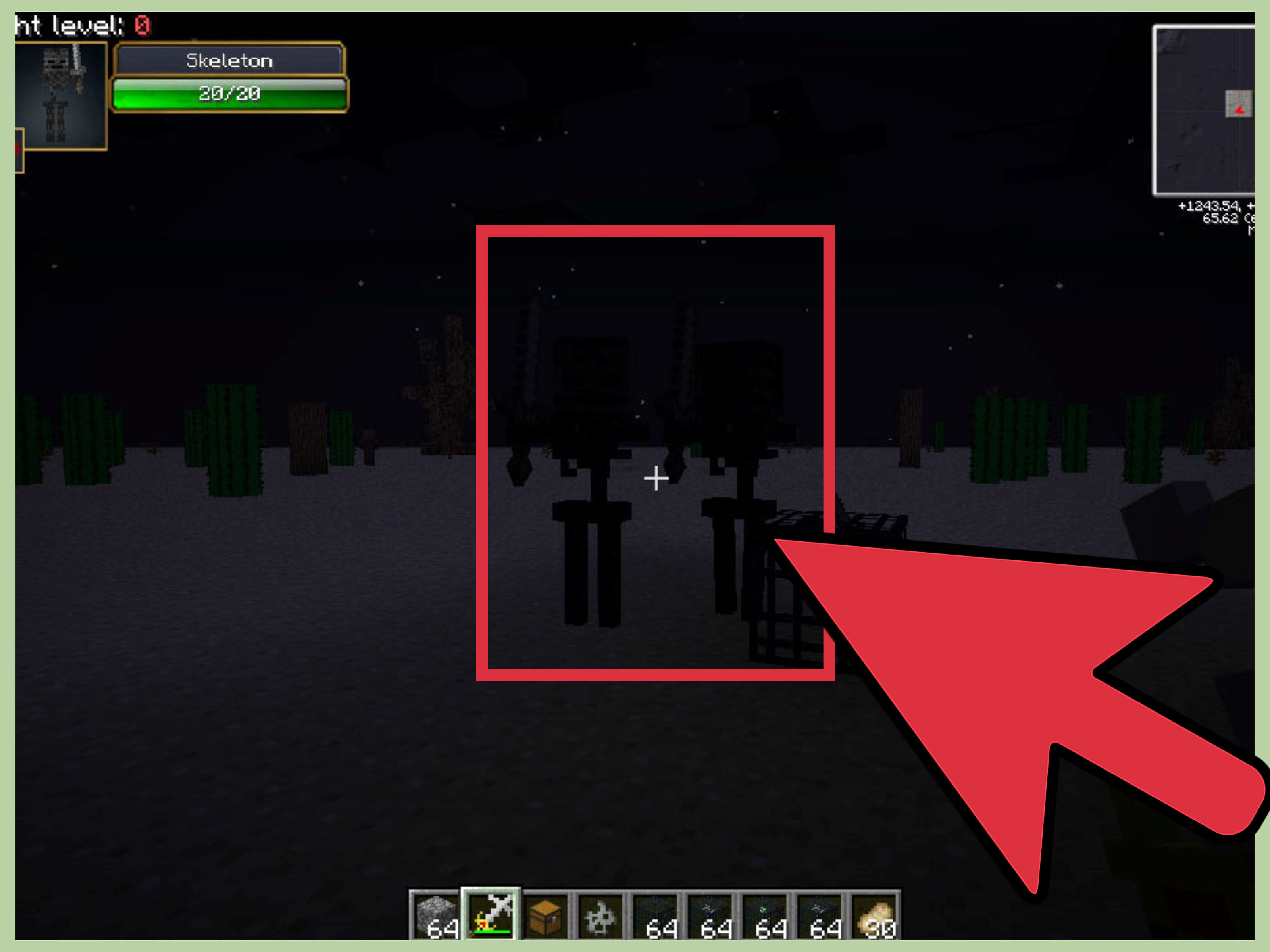
Another Survival method is to defeat zombies or skeletons that spawn wearing chainmail armor. These mobs can appear with armor, especially on higher difficulties and in worlds where local difficulty has increased over time. If you kill one, there is a chance it will drop the armor piece it was wearing.
Using a sword with the Looting enchantment improves your odds. A mob grinder or dark spawning area can also help, but this method is less reliable than villager trading. The dropped armor is often damaged and may be enchanted randomly. Sometimes that is great. Sometimes you get chainmail boots with the durability of a soggy napkin. Minecraft gives, Minecraft giggles.
If a mob picks up a chainmail item you dropped, that picked-up equipment may drop differently than naturally spawned gear. Still, for most players, the easiest mob method is simple: play on Hard difficulty, explore at night, watch for armored mobs, and use Looting if you have it.
Step 6: Search Loot Chests While Exploring
Depending on the edition and structure loot tables, chainmail armor may appear in certain chests or treasure sources. Players often look through dungeons, buried treasure, woodland mansions, and other generated structures while hunting rare gear. Loot availability can vary between Java Edition and Bedrock Edition, so do not rely on chests as your only strategy unless you already love exploration.
That said, chest hunting is still worth doing. You can collect other useful items along the way: enchanted books, saddles, music discs, name tags, diamonds, emeralds, iron, gold, and enough rotten flesh to make you question your life choices. If you find chainmail in a chest, great. If you do not, you are still richer than when you left home.
Bring food, torches, a shield, and extra inventory space. Chain armor hunting is a perfect excuse to explore abandoned mineshafts, shipwrecks, desert temples, ocean ruins, and villages. Just remember the classic rule: if the chest is in a desert temple, do not dig straight down onto the pressure plate unless your goal is to become confetti.
Step 7: Use Commands to Get Chain Armor Instantly
If cheats are enabled, you can use commands to give yourself chainmail armor. This is useful for Creative builds, adventure maps, testing worlds, or server events. In Java Edition, the basic commands are:
In Bedrock Edition, the command format is similar, though command syntax can differ slightly by version and platform. Try:
If a command fails, check whether cheats are enabled and whether your edition requires the minecraft: namespace. On multiplayer servers, you may also need operator permissions. Commands are not considered a Survival-friendly method, but they are perfect when you are building a medieval map, filming a tutorial, or dressing an army of armor stands like a very organized castle manager.
Step 8: Repair, Enchant, and Display Your Chain Armor
Once you have chainmail armor, you can repair it with iron ingots on an anvil. You can also combine damaged chainmail pieces together, though using iron ingots is usually more convenient. Chainmail armor can be enchanted like other armor pieces, so consider Protection, Unbreaking, Mending, Feather Falling for boots, Respiration for helmets, and other useful enchantments.
However, think carefully before spending rare books on chain armor. If you are preparing for serious survival combat, iron, diamond, or netherite armor will usually be stronger choices. Chainmail is best used for style, collections, themed builds, challenge runs, and roleplay. It is fantastic for a knight, guard, dungeon display, museum room, or “I survived three nights and now I own a haunted shirt” aesthetic.
You can also smelt unwanted chainmail armor into iron nuggets. The return is small, so do not expect a metal recycling empire, but it is better than throwing damaged armor into lava like a dramatic goblin.
Why Chain Armor Has No Normal Crafting Recipe
Chain armor has always been unusual. It exists in the game as armor, but unlike leather, iron, gold, diamond, and netherite gear, it does not have a normal survival recipe. This makes it feel special, but also slightly inconvenient. Many players have suggested recipes using iron nuggets, chains, or a combination of ingots and nuggets, but vanilla Minecraft still keeps chainmail as loot, trade, or command-access gear.
From a balance perspective, that makes some sense. If chainmail were easy to craft, it would compete awkwardly with iron armor. If it were expensive to craft from chains, it might cost more than iron while protecting less. That would be like buying a wooden sword made of diamonds: interesting, but economically suspicious.
Because of that, chainmail survives as a curiosity. It is not the best armor. It is not the easiest armor. But it is one of the most memorable armor sets because players have to go out of their way to get it.
Best Method for Getting a Full Chain Armor Set
The best overall method is armorer villager trading. It is renewable, predictable, and works well in long-term Survival worlds. You may need multiple armorers to collect every piece, but once your emerald economy is running, chainmail becomes much easier to obtain.
Mob hunting is more exciting but less consistent. Chest looting is fun but depends heavily on luck and edition differences. Commands are fastest, but they are not Survival gameplay. Mods and data packs are best for players who specifically want craftable chainmail armor and do not mind customizing the rules of their world.
Common Mistakes Players Make
Trying to Craft Chainmail With Chains
This is the most common mistake. Chains are craftable in Minecraft, but they are not used to craft chainmail armor in vanilla gameplay. The idea makes sense, but the recipe does not exist.
Believing the Fire Recipe Still Works Normally
The old fire-based recipe is not a normal modern Survival method. If you see screenshots of chainmail being crafted with fire, treat them as historical trivia, not practical advice.
Expecting One Villager to Sell Every Piece
One armorer may not offer all four chainmail items. Create multiple armorers if you want a full set without waiting forever.
Using Chain Armor as Endgame Protection
Chainmail looks great, but it is not endgame armor. For dangerous fights, use stronger gear unless you are intentionally doing a challenge run.
Java Edition vs Bedrock Edition: What Changes?
The core idea is the same in both versions: chain armor is not crafted in vanilla Survival. You can obtain it through trading, mob drops, and certain loot sources depending on the edition. Commands may require slightly different syntax, and loot tables can differ between Java and Bedrock. Because Minecraft receives updates, always check your version if a specific chest or trade behaves differently than expected.
For most players, the practical advice stays simple: build a village trading setup, use armorers, save emeralds, and treat mob drops as bonus chainmail rather than the main plan.
Extra Experience: What It Feels Like to Hunt Chain Armor in Minecraft
Getting chain armor in Minecraft is less like crafting a tool and more like collecting a rare souvenir from the universe. The first time many players see chainmail, it is on a zombie wandering out of the dark like a budget knight who lost his horse, his castle, and possibly his career. You rush in, defeat it, and then stare at the ground hoping the armor drops. Most of the time, nothing happens. Sometimes you get a damaged helmet. Once in a while, the game blesses you with a full piece of enchanted chainmail, and suddenly you feel like you just won a tiny medieval lottery.
Trading for chainmail has a very different vibe. It feels organized, almost civilized. You build a little villager hall, place blast furnaces, gather emeralds, and wait for armorers to offer the right items. This method is not as dramatic as fighting armored skeletons in a thunderstorm, but it is much better for your blood pressure. The only emotional danger is villager randomness. You may create three armorers and still not get the exact piece you need. At that point, your Minecraft base begins to feel less like a survival shelter and more like a customer service department for extremely stubborn blacksmiths.
One fun way to use chain armor is to turn it into a display goal. Create an armor room with leather, gold, chainmail, iron, diamond, and netherite sets lined up on armor stands. Add signs, item frames, banners, and lighting. Chainmail looks especially good in castles, armories, dungeon entrances, medieval towns, and roleplay builds. It gives your world history. Even if the armor is not the strongest, it tells a story: “I found this, traded for this, repaired this, and refused to let it despawn in a cave like a normal person.”
Chain armor is also great for multiplayer events. Server owners can use it for guards, arena kits, starter classes, or cosmetic ranks. Because it is not as powerful as iron, diamond, or netherite, it can fit nicely into balanced minigames. A chainmail set says, “You are protected, but please do not sprint directly into a creeper and call this armor defective.”
If you enjoy challenge runs, chainmail can become a personal rule. For example, you might play a “no crafted armor” world where you can only wear armor found from mobs, chests, or villagers. In that kind of game, chainmail suddenly feels valuable. Every damaged drop matters. Every iron ingot used for repair feels like an investment. Even a half-broken chainmail chestplate becomes exciting because you did not simply craft it from mined iron.
My favorite approach is to treat chain armor as a side quest rather than a main objective. Do not delay your survival progress just because you want chainmail. Build your base, get food, mine iron, set up villagers, and explore naturally. When chain armor appears, collect it. When an armorer sells it, buy it. When a skeleton drops chainmail boots, celebrate like the game handed you a trophy, even if the boots have about six durability left and smell spiritually like bones.
In the end, chain armor is not about efficiency. If Minecraft were only about efficiency, everyone would rush diamond, upgrade to netherite, and never look back. Chainmail is about personality. It is a collectible, a style choice, a historical oddity, and a reminder that Minecraft is full of items that do not need to be optimal to be fun. Sometimes the best gear is not the strongest gear. Sometimes it is the gear that makes your armor stand room look like a tiny museum run by a very proud goblin curator.
Conclusion
So, how do you make chain armor in Minecraft? In vanilla Survival, you do not craft it. You get it. The best method is trading with armorer villagers, followed by hunting armored mobs and searching loot chests. Creative mode and commands can give you chainmail instantly, while mods or data packs can add actual crafting recipes if that is the gameplay style you want.
Chainmail armor may not beat iron, diamond, or netherite in raw usefulness, but it has a charm that stronger armor cannot replace. It is rare enough to feel special, stylish enough for builds, and strange enough to keep players asking about it years later. That is classic Minecraft: even the armor with no crafting recipe somehow becomes part of the adventure.