
Macular degeneration eye health may not sound like dinner-table conversationunless your family enjoys discussing retinas between the mashed potatoesbut it deserves a front-row seat in any serious conversation about aging well. Age-related macular degeneration, often shortened to AMD, is one of the most common causes of central vision loss in older adults. It affects the macula, the small but mighty part of the retina responsible for sharp, straight-ahead vision. Reading, driving, recognizing faces, threading a needle, checking your phone, admiring your grandkid’s questionable art projectyour macula helps with all of it.
The tricky part is that macular degeneration often begins quietly. It does not usually announce itself with flashing lights, dramatic music, or a tiny eye-shaped alarm bell. Many people do not notice symptoms in the early stage. That is why regular eye exams, healthy daily habits, and knowing the warning signs matter so much. While AMD cannot always be prevented, research shows that smart choicesespecially not smoking, eating a nutrient-rich diet, managing blood pressure, and monitoring vision changescan support long-term retinal health.
This guide explains what macular degeneration is, how dry and wet AMD differ, which symptoms deserve attention, how eye doctors diagnose it, and what treatments and lifestyle strategies may help protect vision. Think of it as a practical owner’s manual for your maculaminus the confusing diagrams and tiny print nobody can read anyway.
What Is Macular Degeneration?
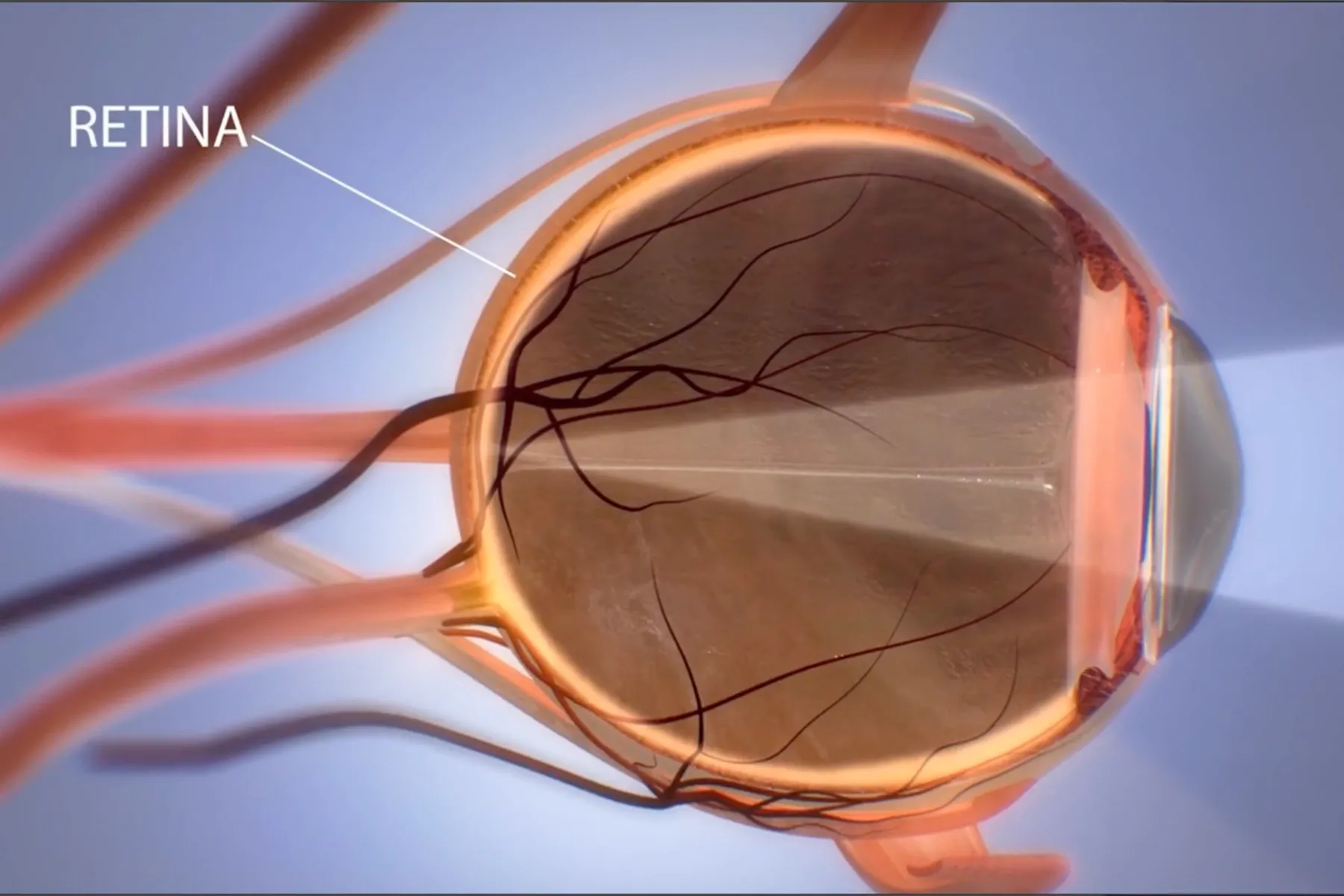
Macular degeneration is a retinal condition that damages the macula, the central area of the retina at the back of the eye. The retina receives light and sends visual signals to the brain. The macula handles detailed vision, so when it becomes damaged, the center of your vision may look blurry, distorted, dim, or blocked. Peripheral visionyour side visionusually remains. That is why AMD rarely causes complete blindness, but it can make daily tasks much harder.
The most common form is age-related macular degeneration. As the name politely hints, age is the biggest risk factor. AMD is more common after age 50 and becomes increasingly important with each decade. However, age is not the only piece of the puzzle. Genetics, smoking, cardiovascular health, diet, and inflammation all appear to play roles.
Dry AMD vs. Wet AMD: The Two Main Types
Macular degeneration is usually divided into two major types: dry AMD and wet AMD. These names are not exactly poetic, but they are useful.
Dry Macular Degeneration
Dry AMD is the more common type. It develops gradually as the macula thins and small yellow deposits called drusen build up under the retina. Drusen are not automatically dangerousmany people develop small drusen with agebut larger or more numerous drusen may signal a higher risk of AMD progression.
Dry AMD can be early, intermediate, or advanced. Early AMD may cause no noticeable symptoms. Intermediate AMD may bring mild blurriness, trouble reading in low light, or a need for brighter lamps. Advanced dry AMD can lead to geographic atrophy, where areas of retinal cells waste away and create permanent blind spots in central vision.
Wet Macular Degeneration
Wet AMD is less common but usually more urgent. It happens when abnormal blood vessels grow under the retina and leak fluid or blood. That leakage can damage the macula quickly. A person with wet AMD may suddenly notice straight lines looking wavy, faces appearing distorted, or a dark spot in the center of vision.
Wet AMD is considered a medical priority because timely treatment can help slow vision loss and, in some cases, improve vision. If your bathroom tiles suddenly look like they were designed by a funhouse architect, do not wait to “see if it goes away.” Call an eye doctor.
Common Symptoms of Macular Degeneration
Macular degeneration symptoms vary by stage and type. Some people have AMD for years before they notice anything unusual. Others, especially those who develop wet AMD, may notice rapid changes.
Common symptoms include blurry central vision, difficulty reading, needing brighter light, trouble recognizing faces, reduced color intensity, dark or empty spots in central vision, and distortion that makes straight lines look bent or wavy. Another subtle sign is difficulty adapting when moving from bright light into dim spaces, such as entering a restaurant and suddenly feeling like the menu was printed for owls.
One useful home-monitoring tool is the Amsler grid, a simple square grid with a dot in the center. People at risk for AMD may be told to check each eye separately. If lines appear wavy, missing, or distorted, that can be a warning sign. The Amsler grid does not replace a professional exam, but it can help people notice changes between appointments.
Who Is at Risk for AMD?
Age is the strongest risk factor for age-related macular degeneration, but it is not the only one. Family history matters. If a close relative has AMD, your risk may be higher. Smoking is one of the most important modifiable risk factors; it increases oxidative stress and harms blood vessels, including the delicate circulation that supports the retina.
Cardiovascular health also matters. High blood pressure, high cholesterol, and heart disease are linked with a higher risk of AMD or faster progression. The retina is a high-energy tissue, and it depends on healthy blood flow. When the body’s vascular system is struggling, the eyes may not get a free pass.
Other risk factors may include obesity, diets low in leafy greens and omega-3-rich foods, long-term sun exposure without eye protection, and being White. Women may also have a slightly higher lifetime risk in some populations, partly because they tend to live longer. The big takeaway: some risk factors are fixed, but many are daily-life factors you can influence.
How Eye Doctors Diagnose Macular Degeneration
A comprehensive dilated eye exam is the foundation of AMD diagnosis. During the exam, an eye care professional uses drops to widen the pupils and examine the retina. They look for drusen, pigment changes, bleeding, fluid, thinning, or areas of atrophy.
Modern imaging has made diagnosis much more precise. Optical coherence tomography, or OCT, creates detailed cross-sectional images of the retina. It can show fluid, swelling, thinning, or structural changes that may not be obvious during a standard exam. Fluorescein angiography or other retinal imaging may be used when doctors suspect abnormal blood vessels in wet AMD.
These tests sound fancy because they are. Fortunately, they are also routine in retina clinics. For patients, the most important step is simply showing up for regular eye exams, especially after age 50 or earlier if there is a strong family history.
Treatment Options for Macular Degeneration
Treatment depends on the type and stage of AMD. There is no single cure that restores the macula to factory settings, but several therapies can slow progression, reduce damage, or help people make better use of remaining vision.
Early Dry AMD
Early dry AMD often does not require medical treatment beyond monitoring and healthy lifestyle changes. Your eye doctor may recommend regular exams, home vision checks, and steps such as quitting smoking, improving diet, and managing blood pressure.
Intermediate Dry AMD and AREDS2 Supplements
For certain people with intermediate AMD, eye doctors may recommend the AREDS2 supplement formula. This formula usually includes vitamin C, vitamin E, zinc, copper, lutein, and zeaxanthin. It is designed to lower the risk of progression in specific AMD stages; it is not a general “eye vitamin” for everyone and does not prevent AMD in people without signs of the disease.
People who smoke or used to smoke should be especially careful with older formulas containing beta-carotene because beta-carotene has been associated with a higher lung cancer risk in smokers. This is why asking an eye doctor before starting supplements is not just a polite suggestionit is the sensible route.
Wet AMD and Anti-VEGF Injections
Wet AMD is commonly treated with anti-VEGF injections. VEGF stands for vascular endothelial growth factor, a protein that encourages abnormal blood vessel growth. Anti-VEGF medicines help reduce leakage and slow the growth of these fragile vessels.
Yes, the treatment involves injections into the eye. No, that sentence does not win a popularity contest. However, the eye is numbed, the procedure is quick, and anti-VEGF therapy has changed the outlook for wet AMD dramatically. Many people maintain vision longer because of these treatments.
Geographic Atrophy Treatments
For advanced dry AMD with geographic atrophy, newer injectable medicines called complement inhibitors have been approved in the United States. These drugs do not bring back vision already lost, but they may slow the growth of atrophic areas in some patients. Treatment decisions depend on the location and speed of progression, the patient’s vision goals, risks, benefits, and follow-up schedule.
Macular Degeneration Eye Health and Nutrition
Diet cannot guarantee perfect vision, but it can support eye health. The retina is metabolically active, meaning it works hard and needs steady nourishment. A pattern rich in vegetables, fruits, whole grains, fish, nuts, and healthy fats is often recommended for overall health and may also benefit retinal health.
Leafy greens such as spinach, kale, collards, and Swiss chard contain lutein and zeaxanthin, carotenoids that accumulate in the macula. Fatty fish such as salmon, sardines, trout, and tuna provide omega-3 fatty acids. Citrus fruits, berries, peppers, and broccoli provide vitamin C. Nuts and seeds offer vitamin E and healthy fats. The plate does not have to be boring. Your macula is not asking for punishment; it is asking for color.
On the other hand, diets heavy in ultra-processed foods, refined carbohydrates, fried foods, and saturated fats may not be ideal for cardiovascular or eye health. A simple rule: if your weekly menu looks like it was assembled entirely from a gas station snack aisle, your eyes may file a complaint.
Lifestyle Habits That Support Retinal Health
The most powerful lifestyle step is avoiding tobacco. If you smoke, quitting is one of the best things you can do for macular degeneration eye health and overall health. Smoking increases oxidative damage, affects circulation, and raises the risk of several eye diseases.
Exercise also matters. Regular physical activity supports blood pressure, cholesterol, blood sugar, and vascular function. You do not need to train like an Olympic athlete. A brisk walk, cycling, swimming, gardening, or dancing in the kitchen while pretending nobody can see you can all contribute to better health.
Protecting your eyes from ultraviolet light and glare is another practical habit. Sunglasses that block UVA and UVB rays, wide-brimmed hats, and avoiding direct sun exposure during peak hours can help reduce strain and protect overall eye comfort. Good sleep, diabetes management, and regular primary care checkups also support the body systems that keep the retina supplied and functioning.
Living With Macular Degeneration
A diagnosis of AMD can feel frightening, but many people continue to live active, independent lives. The key is adapting early rather than waiting until frustration takes over. Low vision tools can make a major difference: magnifiers, brighter task lighting, large-print books, high-contrast labels, voice assistants, screen readers, and phone accessibility settings can help people read, cook, organize medications, and stay connected.
Good lighting is underrated. A flexible lamp placed directly over a reading area can make text sharper and reduce fatigue. High-contrast itemssuch as a dark cutting board for light foods or large-print labels on medication bottlescan turn daily tasks from annoying to manageable.
Emotional support also matters. Vision changes can affect confidence, hobbies, driving, work, and social life. Talking with an eye care team, occupational therapist, low vision specialist, counselor, or support group can help. AMD is an eye condition, but living with it is a whole-person experience.
When to Call an Eye Doctor Quickly
Some symptoms should never be ignored. Call an eye doctor promptly if you notice sudden central blurriness, new distortion, straight lines looking wavy, a dark or empty spot in the center of vision, sudden difficulty reading, or a rapid change in one eye. These signs may suggest wet AMD or another retinal problem that needs urgent evaluation.
It is also important to check each eye separately. The brain is excellent at filling in missing information. One eye may compensate for the other, allowing a problem to hide like a sock behind the dryer. Cover one eye at a time when checking vision so changes are easier to notice.
Prevention: Can You Stop Macular Degeneration?
No lifestyle plan can promise complete prevention, especially when age and genetics are involved. However, prevention is not all-or-nothing. The goal is to lower risk, detect changes early, and slow progression when possible.
A strong macular degeneration eye health routine includes regular dilated eye exams, no smoking, a colorful diet, blood pressure control, cholesterol management, physical activity, sun protection, and following your eye doctor’s advice about supplements or treatment. That may sound like a lot, but most of it overlaps with general healthy living. Your eyes and your heart are basically on the same group project.
Experiences and Real-Life Lessons About Macular Degeneration Eye Health
One of the most common experiences people describe after an AMD diagnosis is surprise. They may go to an eye exam expecting a new glasses prescription and leave with a phrase they have never heard before: “macular degeneration.” At first, the words can feel heavy. Many people immediately wonder whether they will go blind, whether they can still drive, and whether they did something wrong. The reassuring truth is that AMD has many stages, and a diagnosis does not automatically mean severe vision loss is around the corner.
A practical lesson from many patients is this: small changes matter more when they become routines. For example, someone with intermediate dry AMD may place an Amsler grid on the refrigerator and check it every morning before coffee. That habit takes less than a minute. It is not glamorous. Nobody posts dramatic movie trailers about grid-checking. But it can help catch changes early.
Another real-world experience involves lighting. People with AMD often say they can read better in the morning near a bright window than at night under a weak lamp. Upgrading task lighting can feel surprisingly life-changing. A bright adjustable lamp beside a favorite chair, larger text settings on a phone, and high-contrast labels in the kitchen can reduce daily frustration. These tools do not cure AMD, but they restore a sense of control.
Food changes also become easier when they are realistic. A person who dislikes kale does not need to force down green leaves with the enthusiasm of a lawn mower. Spinach in an omelet, salmon tacos, berries with yogurt, roasted peppers, walnuts, and a simple salad can all support better nutrition. The best diet for eye health is the one a person can actually maintain without declaring war on dinner.
For those receiving anti-VEGF injections for wet AMD, the first appointment can be intimidating. Many patients are nervous before treatment because “eye injection” sounds like a phrase invented by villains. In practice, doctors use numbing drops, antiseptic preparation, and careful technique. The procedure is usually brief. People often say the anticipation was worse than the treatment itself. Follow-up visits are essential because wet AMD often requires ongoing monitoring.
Family support can make a major difference. A spouse, adult child, friend, or caregiver can help track appointments, organize transportation, update phone accessibility settings, and notice changes in daily functioning. At the same time, independence matters. The best support is not taking over everything; it is helping the person keep doing what they can do safely.
Perhaps the most important experience-related lesson is emotional: vision changes are not just technical problems. They affect identity, confidence, hobbies, and freedom. Someone who loved reading may feel discouraged. Someone who drove everywhere may worry about losing independence. These feelings are valid. Good AMD care includes medical treatment, low vision tools, lifestyle habits, and honest conversations about quality of life.
Macular degeneration eye health is not about panic. It is about paying attention, acting early, and building a life that supports vision as much as possible. The macula may be small, but it has a big job. Treat it like the VIP it is.
Conclusion
Macular degeneration is a common but complex eye condition that affects central vision and daily life. Dry AMD usually progresses slowly, while wet AMD can change vision quickly and needs urgent care. Regular eye exams, early symptom awareness, healthy lifestyle choices, and appropriate treatment can help protect vision for as long as possible.
The best strategy is not fear; it is follow-through. Get eye exams, monitor changes, eat for your eyes and heart, avoid smoking, manage blood pressure, and talk with your eye care professional about supplements or treatment options. Your future self may thank youpossibly while reading a restaurant menu without needing to borrow the table candle.
Note: This article is for educational publishing purposes only and is not a substitute for diagnosis, treatment, or personal medical advice from an eye care professional.
SEO Tags