
Note: This article is for general education only and is not a substitute for medical care. During chemotherapy, blood sugar changes can become urgent quickly, especially for people with diabetes, prediabetes, pancreatic cancer, infections, poor appetite, vomiting, or steroid-based treatment plans. Always follow your oncology team’s and diabetes care team’s instructions.
Introduction: When Chemo Meets Blood Sugar, Things Can Get Dramatic
Chemotherapy is already a full-time job nobody applied for. Add blood sugar swings to the mix, and suddenly your glucose meter starts acting like it is auditioning for a roller coaster documentary. One day your numbers look steady, the next day steroids, stress, nausea, skipped meals, or dehydration decide to join the party without bringing snacks.
Managing blood sugar during chemotherapy matters because cancer treatment can change how your body handles glucose. Some chemotherapy medicines, anti-nausea steroids such as dexamethasone or prednisone, infections, reduced activity, appetite changes, feeding tubes, IV nutrition, and emotional stress may all push blood glucose higher. On the other side, vomiting, diarrhea, eating less than usual, delayed meals, or taking diabetes medication without enough food can cause low blood sugar.
The good news is that many blood sugar problems during cancer treatment can be managed with planning, monitoring, teamwork, and a little “do not wing it” energy. This guide explains why blood sugar changes happen during chemotherapy, what to track, what to eat, when to call your doctor, and how to build a realistic plan that fits actual lifenot a fantasy world where everyone craves steamed broccoli after an infusion.
Why Blood Sugar Can Change During Chemotherapy
Blood sugar, also called blood glucose, is affected by food, medicines, hormones, physical activity, hydration, illness, sleep, and stress. Chemotherapy can influence several of these at once. That is why a person who usually has stable numbers may suddenly see unexpected highs or lows during treatment.
Steroids Are a Common Reason for High Blood Sugar
Steroids are often given before, during, or after chemotherapy to reduce nausea, allergic reactions, inflammation, or swelling. They can be very helpful, but they are also famous for raising blood sugar. Steroids can make the body more resistant to insulin, which means glucose stays in the bloodstream instead of moving efficiently into cells.
For some people, steroid-related high blood sugar lasts only a few days after each chemotherapy cycle. For others, especially people with diabetes or prediabetes, the effect may be stronger and may require temporary changes in medication. This is one reason your care team may ask you to check your glucose more often on infusion day and for several days afterward.
Chemotherapy Side Effects Can Disrupt Eating
Nausea, mouth sores, taste changes, diarrhea, constipation, fatigue, and low appetite can make regular meals difficult. If you take insulin or medications that lower blood sugar but cannot eat as planned, your glucose may drop. If you replace meals with sweet drinks, desserts, or low-protein snacks because those are the only foods that sound tolerable, your glucose may rise.
The goal is not perfection. The goal is steady fuel. During chemotherapy, “the best meal” is often the meal you can safely keep down, balanced as well as possible.
Stress, Infection, and Less Activity Can Raise Glucose
Cancer treatment is physically and emotionally stressful. Stress hormones can raise blood sugar. Infection can do the same. If fatigue or pain makes you less active, glucose may also run higher because muscles are not using as much sugar for energy.
This does not mean you caused the problem. It means your body is working hard, and the glucose plan may need adjusting.
Who Is Most at Risk for Blood Sugar Problems During Chemo?
Anyone can experience blood sugar changes during chemotherapy, but some people need extra attention. Higher-risk groups include people with type 1 diabetes, type 2 diabetes, prediabetes, a history of gestational diabetes, pancreatic cancer, steroid-heavy chemotherapy regimens, tube feeding or IV nutrition, kidney disease, infections, major weight loss, or a history of severe low blood sugar.
People without diabetes can also develop treatment-related hyperglycemia. Sometimes it is temporary. Sometimes it reveals diabetes that was already developing quietly in the background. In either case, it deserves attention instead of the classic “let’s pretend this lab result is decorative” approach.
Before Chemotherapy Starts: Build a Blood Sugar Game Plan
The best time to plan for blood sugar changes is before they happen. Ask your oncologist, primary care clinician, endocrinologist, oncology nurse, or diabetes educator to help create a written plan. If you already use insulin, pills, a continuous glucose monitor, or a glucose meter, bring that information to your appointment.
Questions to Ask Your Care Team
- Will my chemotherapy plan include steroids?
- Which days are my blood sugar levels most likely to rise?
- How often should I check my blood glucose during treatment weeks?
- What glucose numbers are too high or too low for me?
- Should I check ketones if my blood sugar is high or if I am vomiting?
- Should any diabetes medications be adjusted on chemo day, steroid days, or poor-appetite days?
- Who should I call after hours if my blood sugar is unsafe?
Write the answers down. Chemo brain is real, stress is real, and nobody should have to remember medication instructions from memory while also wondering why water tastes like a spoon.
Monitoring Blood Sugar During Chemotherapy
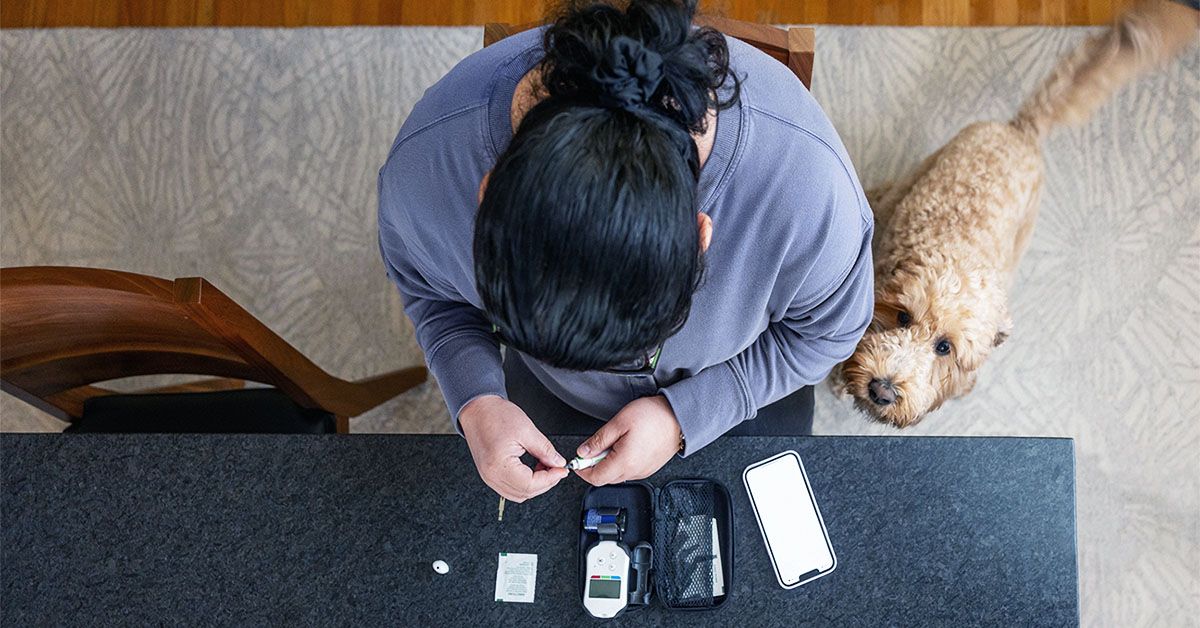
Monitoring is your early warning system. It helps your team spot patterns and adjust treatment before glucose problems turn into emergencies.
How Often Should You Check?
Your personal schedule depends on your diagnosis, medications, chemotherapy plan, and glucose history. Many people with diabetes are asked to check more often during chemotherapy cycles, especially on steroid days. Common check-in times may include fasting glucose in the morning, before meals, two hours after meals, at bedtime, and whenever symptoms appear.
If you use a continuous glucose monitor, ask your team whether they want reports, screenshots, or trend summaries. A CGM can be helpful because steroid-related glucose spikes may happen later in the day and might be missed by morning-only testing.
What Numbers Should You Watch?
Glucose targets are individualized. For many nonpregnant adults with diabetes, typical targets may include 80–130 mg/dL before meals and less than 180 mg/dL one to two hours after meals. However, during chemotherapy, your team may set different goals depending on infection risk, appetite, age, kidney function, cancer type, treatment intensity, and risk of hypoglycemia.
Do not silently panic over one unusual number. Look for patterns and follow your action plan. One high reading after steroids is information. Repeated highs, vomiting, dehydration, confusion, ketones, or symptoms are a reason to call.
Food Tips for Managing Blood Sugar During Chemotherapy
Nutrition during chemotherapy is not about winning a wellness contest. It is about staying nourished, hydrated, strong enough for treatment, and as steady as possible. Your plate may look different during chemo, and that is okay.
Balance Carbs With Protein and Fat
Carbohydrates raise blood sugar, but they are also an important energy source. Instead of avoiding carbs completely, pair them with protein and healthy fats to slow digestion and support healing. Examples include oatmeal with peanut butter, Greek yogurt with berries, eggs with whole-grain toast, chicken soup with beans, or cottage cheese with fruit.
If your appetite is tiny, mini-meals may work better than three large meals. Think “snack with a purpose,” not “random crackers at 2 a.m. because the pantry called your name.”
Choose Gentle Foods When Nausea Hits
When nausea is strong, bland foods may be easier. Try small portions of toast, rice, applesauce, bananas, broth-based soup, oatmeal, potatoes, or crackers. To make these more blood-sugar friendly, add protein when possible: a boiled egg, nut butter, cheese, tofu, chicken, tuna, or a protein shake approved by your care team.
Watch Sugary Drinksbut Do Not Ignore Calories
Regular soda, fruit juice, sweet tea, and sports drinks can raise blood glucose quickly. If your blood sugar is high, water, unsweetened tea, broth, or sugar-free electrolyte drinks may be better choices. However, if you are losing weight, barely eating, or dealing with low blood sugar, your team may recommend calorie-containing liquids. The right choice depends on your situation.
Handle Mouth Sores With Soft, Mild Foods
Mouth sores can make crunchy, spicy, acidic, or hot foods miserable. Soft options such as scrambled eggs, smoothies, yogurt, mashed avocado, soft fish, oatmeal, soups, and blended meals may help. If you use smoothies, include protein and avoid turning them into a giant dessert in a cup unless your team specifically wants extra calories.
Hydration: The Underrated Blood Sugar Tool
Dehydration can make high blood sugar worse, and high blood sugar can increase urination, which can worsen dehydration. Chemotherapy side effects such as vomiting, diarrhea, fever, and poor intake can add to the problem.
Ask your team how much fluid is appropriate for you, especially if you have kidney disease, heart failure, or fluid restrictions. Good options may include water, ice chips, broth, herbal tea, diluted electrolyte drinks, or sugar-free fluids. If you cannot keep fluids down, call your care team. Do not wait until you feel like a raisin in pajamas.
Medication Adjustments: Never Guess, Always Ask
Chemotherapy can change your medication needs. Steroids may require temporary increases in insulin or diabetes pills. Poor appetite, weight loss, vomiting, or kidney changes may require dose reductions. Some people who do not normally use insulin may need it temporarily during steroid treatment.
Do not stop diabetes medication or double doses without instructions. This is especially important if you take insulin, sulfonylureas, SGLT2 inhibitors, GLP-1 medications, metformin, or multiple diabetes medicines. Your oncology and diabetes teams should know all prescription drugs, over-the-counter medicines, supplements, and nutrition products you use.
Warning Signs: When to Call the Doctor
Your care team should give you exact numbers for when to call. In general, urgent attention may be needed if you have repeated very high blood sugar, moderate or large ketones, vomiting, inability to keep fluids down, signs of dehydration, confusion, fever, shortness of breath, fruity-smelling breath, severe weakness, or blood sugar that stays low after treatment.
Low blood sugar can include shakiness, sweating, fast heartbeat, hunger, headache, dizziness, confusion, irritability, blurred vision, or fainting. High blood sugar can include extreme thirst, frequent urination, fatigue, blurry vision, dry mouth, nausea, or unexplained weight loss.
Low Blood Sugar Basics
For many people with diabetes, low blood sugar means below 70 mg/dL. A common approach is the 15-15 rule: take 15 grams of fast-acting carbohydrate, wait 15 minutes, and recheck. Examples may include glucose tablets, glucose gel, 4 ounces of juice, or regular soda. If the number remains low, repeat as directed. If the person is unconscious, unable to swallow, or having a seizure, emergency help is needed.
High Blood Sugar and Ketones
If you have type 1 diabetes, use insulin, are sick, are vomiting, or have very high glucose, your team may ask you to check ketones. Ketones can signal diabetic ketoacidosis, a serious emergency. Ask in advance when to test and what result should trigger a call or emergency visit.
Practical Tips for Chemo Days
Chemo days can be long, unpredictable, and snack-dependent. Pack a small “blood sugar survival kit” with your glucose meter or CGM supplies, medication list, diabetes medicines, approved snacks, water, glucose tablets, hand sanitizer, and your care team’s phone numbers.
Bring snacks that are easy on the stomach and balanced when possible: peanut butter crackers, cheese sticks, nuts, low-sugar yogurt, half a sandwich, protein drinks approved by your team, or whole-grain crackers with tuna. If you are at risk for low blood sugar, carry fast-acting carbs too.
Tell the infusion nurse if your blood sugar is unusually high or low before treatment starts. Also mention vomiting, poor intake, fever, infection symptoms, or recent medication changes. Nurses have seen it all. Your glucose confession will not shock them.
FAQ: Managing Blood Sugar During Chemotherapy
Can chemotherapy cause high blood sugar?
Yes. Some cancer treatments, steroids used with chemotherapy, stress, infection, reduced activity, tube feeding, IV nutrition, and appetite changes can raise blood sugar. People with diabetes or prediabetes are more likely to notice larger changes, but people without diabetes can also develop treatment-related hyperglycemia.
Will steroid-related high blood sugar go away?
Sometimes. If steroids are the main cause, blood sugar may improve when the steroid dose is lowered or stopped. However, some people still need diabetes treatment afterward, especially if they already had prediabetes or other risk factors. Follow-up testing is important.
Should I avoid all carbs during chemotherapy?
No. Avoiding all carbs can make it harder to get enough energy, especially if appetite is poor. The better strategy is usually choosing steady, nourishing carbs and pairing them with protein or healthy fat. Your dietitian or diabetes educator can personalize your plan.
What should I eat if everything tastes strange?
Try mild, cool, or soft foods such as yogurt, smoothies, eggs, oatmeal, soups, cottage cheese, tuna salad, mashed potatoes, or protein shakes. Plastic utensils may help if food tastes metallic. If sweet foods taste better than savory foods, balance them with protein when possible.
Can I exercise during chemotherapy to lower blood sugar?
Gentle movement may help blood sugar and fatigue for some people, but it depends on your blood counts, symptoms, cancer type, and treatment plan. Ask your care team what is safe. Short walks, stretching, or light activity may be enough. Do not exercise if you have ketones, severe anemia, fever, dizziness, chest pain, or instructions to rest.
Do I need an endocrinologist?
You may benefit from one if you have type 1 diabetes, frequent highs or lows, steroid-related spikes, complex medication needs, kidney disease, pregnancy, pancreatic cancer, or repeated treatment delays related to glucose. Many cancer centers coordinate care between oncology and endocrinology.
Can high blood sugar delay chemotherapy?
It can in some cases, especially if glucose is dangerously high, dehydration is present, infection is suspected, or metabolic complications occur. The goal of glucose management is not just a nice-looking number; it is helping you stay safe and continue treatment when possible.
Experience-Based Tips: What Real Life Often Teaches People During Treatment
People managing blood sugar during chemotherapy often learn quickly that the textbook plan needs a real-life upgrade. The first practical lesson is that patterns matter more than single numbers. A glucose reading of 220 mg/dL after a steroid dose may be expected for one person, while the same number on a non-steroid day may need a different response. Keeping a simple log of chemo dates, steroid doses, meals, symptoms, and glucose readings can help your team see the story behind the numbers.
Another common experience is that appetite does not follow office hours. You may feel nauseated at breakfast, hungry at 10 p.m., and completely betrayed by your favorite food by Tuesday. Instead of forcing large meals, many people do better with small, repeatable options. A “safe foods” list can help: soup, eggs, yogurt, toast with nut butter, smoothies with protein, rice bowls, or whatever your stomach accepts without filing a formal complaint.
Caregivers can make a huge difference. A family member or friend can help track readings, refill water bottles, prepare snacks, and notice symptoms when the person in treatment is too tired to analyze anything beyond “couch or bed?” It also helps to place supplies where they are easy to reach. Glucose tablets in the bedroom, meter supplies near the chair, medication instructions on the fridge, and emergency numbers saved in a phone can reduce stress.
Many people also discover that chemo weeks and recovery weeks are not the same. Blood sugar may climb during steroid days, then drop when appetite fades. Medication needs can shift from one phase to another. This is why a flexible plan is better than a rigid one. Ask your care team for instructions by scenario: “What do I do on steroid days?” “What if I vomit?” “What if I eat half my usual amount?” “What if my glucose is high but I feel okay?”
Hydration is another lesson people often learn the hard way. When taste changes make plain water unpleasant, try ice chips, chilled water, lemon-free flavored water if mouth sores allow, broth, herbal tea, or approved electrolyte drinks. Small sips count. You do not have to heroically chug a giant bottle while your stomach waves a white flag.
Finally, emotional patience matters. Blood sugar during chemotherapy can feel unfair because it often changes even when you are doing your best. Numbers are data, not a moral report card. The goal is to respond early, communicate clearly, and protect your body through treatment. A good plan will not make chemotherapy easy, but it can make the glucose side of the journey less chaoticand fewer surprises is a beautiful thing.
Conclusion
Managing blood sugar during chemotherapy requires teamwork, planning, and flexibility. Steroids, stress, infections, appetite changes, dehydration, and reduced activity can all affect glucose levels. The most effective approach is to create a clear plan before treatment, monitor more closely during high-risk days, balance meals as well as symptoms allow, stay hydrated, and call your care team when numbers or symptoms move outside your safe range.
You do not need perfect blood sugar to be a “good patient.” You need information, support, and a plan that can adapt to the realities of cancer treatment. With the right guidance, many people can manage glucose changes while continuing chemotherapy as safely and comfortably as possible.