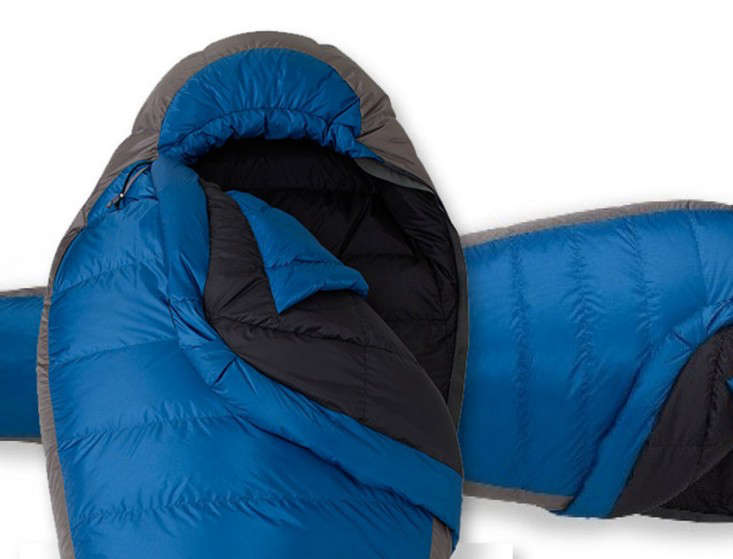

The REI Igneo Sleeping Bag is one of those pieces of backpacking gear that still gets hikers talking long after it has stepped off the main retail stage. It is not the newest sleeping bag in REI’s lineup, and you are unlikely to find it sitting proudly on a fresh product wall next to today’s Magma, Trailmade, or Zephyr bags. But on the used market, in gear closets, and in trailhead conversations, the Igneo still has a reputation as a smart, lightweight, three-season down sleeping bag that offered a lot of performance for the money.
In plain English, the REI Igneo was built for backpackers who wanted warmth without hauling a fabric burrito the size of a golden retriever. It used down insulation, a mummy shape, lightweight nylon fabrics, and a practical design that made it especially appealing for hikers who wanted to move from bulky beginner gear into something more trail-worthy. Was it perfect? No sleeping bag is. Even the fanciest down cocoon can betray you if you pair it with a sad, thin sleeping pad and camp on frozen ground. But the Igneo hit a useful middle ground: warm enough for many three-season trips, light enough for backpacking, and affordable enough to avoid making your wallet sob into a stuff sack.
What Is the REI Igneo Sleeping Bag?
The REI Igneo Sleeping Bag was a men’s mummy-style backpacking sleeping bag from REI Co-op. Different versions appeared over the years, including models commonly associated with ratings around 17°F, 19°F, and 25°F. The most discussed version, the REI Igneo 17, was known for its 700-fill-power duck down, water-resistant treatment, 20-denier ripstop nylon shell, full-length zipper, and weight just under two pounds in the regular size.
That combination made it attractive to hikers who wanted a serious upgrade from heavy synthetic bags but did not want to pay the premium price of top-tier 850- or 900-fill-power down models. Think of it as the sensible hatchback of backpacking sleeping bags: not the flashiest vehicle in the parking lot, but efficient, dependable, and surprisingly capable when the road turns rough.
The Igneo line has since been discontinued, which means shoppers today usually encounter it secondhand through used gear shops, resale platforms, REI garage-sale style events, or private listings. That does not make it irrelevant. In fact, it makes understanding the bag even more important, because a used Igneo can be a great buyor a disappointing onedepending on its condition, loft, price, and how you plan to use it.
Key Specifications and Design Features
Down Insulation
The Igneo’s biggest selling point was its down fill. Many versions used 700-fill-power duck down, often treated for water resistance. Fill power measures how much space one ounce of down can loft into. Higher numbers generally mean better warmth for less weight. A 700-fill bag is not as premium as an 850-fill bag, but it can still deliver excellent three-season performance when the design is efficient.
For backpackers, down insulation matters because it compresses well, weighs less than most synthetic insulation at the same warmth level, and tends to last a long time when properly cared for. The trade-off is moisture sensitivity. Treated down helps, but it does not turn the bag into a submarine. If you dunk it in a river, the bag will not heroically inflate like a life raft. Keep it dry, and it will reward you.
Mummy Shape
The Igneo uses a mummy shape, which narrows from shoulders to feet to reduce dead air space. Less empty space means your body has less air to warm. That improves efficiency, especially on cold nights. The downside is that mummy bags can feel restrictive for side sleepers, restless sleepers, or anyone who likes to perform interpretive dance while unconscious.
Compared with some ultralight mummy bags, the Igneo was often described as reasonably livable, though not roomy in the way a rectangular camping bag is. If you are buying one used, pay attention to shoulder girth, hip girth, and length. Fit is not just about comfort; it directly affects warmth. A bag that is too tight can compress insulation, while a bag with too much extra room can feel colder because your body has to heat unused space.
Temperature Rating
The REI Igneo is most commonly discussed as a three-season backpacking sleeping bag. Versions such as the Igneo 17 were associated with an EN lower-limit rating around 17°F and a comfort rating closer to the upper 20s. That distinction is important. A “17-degree bag” does not automatically mean every sleeper will feel cozy at 17°F. For many people, especially cold sleepers, the comfort rating is the more realistic number.
In real-world backpacking, warmth depends on the entire sleep system: sleeping pad R-value, tent or shelter protection, base layers, socks, food intake, hydration, wind, humidity, fatigue, and personal metabolism. Translation: your sleeping bag is important, but it is not a magic heated hotel room with pine trees outside.
Shell Fabric and Durability
The Igneo typically used lightweight ripstop nylon fabrics, often around 20 denier. That is a sensible fabric weight for backpacking. It keeps the bag light and packable while still offering more durability than very fragile ultralight shells. A durable water repellent finish helped shed light condensation and tent-wall moisture.
However, lightweight nylon still deserves respect. Keep it away from campfire sparks, sharp rocks, crampons, aggressive dog claws, and the mysterious zipper violence that happens when you are cold, tired, and trying to get into bed at 11 p.m.
Packability and Weight
One reason the Igneo remained popular was its packability. A sub-two-pound down mummy bag takes up far less room than many entry-level synthetic sleeping bags. For backpackers, that can change everything. A smaller sleeping bag frees pack space for food, layers, a better sleeping pad, or the luxury item you pretend is essential. Yes, the tiny camp pillow counts.
The Igneo was not the lightest bag in its category, but it offered a strong warmth-to-weight ratio for its price. That balance is why many hikers considered it a practical gateway into higher-quality backpacking sleep systems.
Who Is the REI Igneo Sleeping Bag Best For?
The REI Igneo Sleeping Bag is best for backpackers who want a lightweight, compact down bag for spring, summer at elevation, and fall conditions. It is especially appealing if you can find one in good used condition at a fair price.
It makes sense for weekend backpackers, budget-conscious hikers, scouts transitioning into adult-size gear, and anyone building a three-season kit without paying premium ultralight prices. It can also work well for bikepacking and travel camping because it packs down smaller than many synthetic options.
It is less ideal for people who primarily camp in very wet climates, regularly sleep cold, need a wide cut, or want a current warranty-backed product purchased new. If you camp mostly in the Pacific Northwest during rainy shoulder seasons, you may prefer a modern synthetic bag or a newer premium down bag with better moisture management. If you sleep cold, you may want a warmer bag than the label suggests.
REI Igneo 17 vs. REI Igneo 25
The Igneo name appeared across more than one temperature class, and that can confuse shoppers. The REI Igneo 17 was the warmer, more cold-capable version many backpackers remember. It used more down and was intended for colder three-season nights. The REI Igneo 25 was lighter and more moderate, but some reviewers found it less warm than its rating suggested.
If you are shopping used, do not assume every Igneo is the same. Check the exact model, printed rating, fill weight if available, size, zipper side, and condition. A well-kept Igneo 17 may be a better shoulder-season choice than an Igneo 25. On the other hand, if you backpack mostly in mild summer conditions, the 25-degree version may be plentyespecially if you bring a good insulated pad and warm sleep layers.
How Warm Is the REI Igneo in Real Conditions?
For many hikers, the Igneo performs best when nighttime temperatures stay above the mid-to-upper 20s Fahrenheit, depending on the version and the sleeper. Warm sleepers may push it lower, while cold sleepers may want a buffer of 10 to 15 degrees. This is not a flaw unique to the Igneo; it is the reality of sleeping bag ratings.
A smart approach is to match the bag to your expected low temperature, then add a safety margin. If forecasts say 30°F and you have an Igneo 17 in good condition, an insulated pad, dry base layers, and a tent, you may be comfortable. If forecasts say 18°F, the wind is howling, your pad has a low R-value, and you skipped dinner because your stove was “being dramatic,” you may have a long night of philosophical reflection.
Comfort and Fit
Comfort in the REI Igneo depends heavily on body shape and sleeping style. Back sleepers usually adapt well to mummy bags. Side sleepers may still enjoy the Igneo if they are comfortable rotating inside the bag rather than rolling the whole bag with them. Broad-shouldered users should be more cautious, especially with regular sizes.
The hood and draft features help trap heat around the head and neck, where warmth can escape quickly. A full-length zipper adds ventilation and makes the bag easier to use in warmer weather. When temperatures rise, you can unzip the bag partially and use it more like a quilt. When temperatures drop, cinching the hood and closing drafts makes a noticeable difference.
Pros of the REI Igneo Sleeping Bag
Good Warmth-to-Weight Ratio
The Igneo’s biggest strength is its balance of warmth and weight. It gives backpackers real down-bag performance without entering the intimidating price territory of premium ultralight models.
Compact Packed Size
Because it uses down, the Igneo compresses well. That makes it much easier to fit into a backpack than many synthetic bags with similar temperature ratings.
Practical Three-Season Performance
For typical backpacking trips in spring, summer mountains, and fall, the Igneo offers enough warmth for many users. It is not a deep-winter expedition bag, but it was never trying to be one.
Strong Used-Market Value
Since the Igneo is discontinued, used prices can be attractive. A clean, lofty bag at the right price can be a smart purchase for hikers building a budget-friendly backpacking kit.
Cons of the REI Igneo Sleeping Bag
Discontinued Availability
You cannot easily buy a new Igneo from REI today. That means selection is inconsistent, sizing may be limited, and condition varies widely.
Not the Warmest for Its Rating
Some users and reviewers found certain Igneo models cooler than expected near their lower-limit ratings. Cold sleepers should be especially conservative.
700-Fill Down Is Good, Not Premium
Seven-hundred-fill down is respectable, but newer high-end REI Magma bags use higher-fill-power down for better warmth-to-weight efficiency.
Used Bags Require Careful Inspection
A down bag’s performance depends on loft. If the bag has been stored compressed for years, washed incorrectly, or exposed to moisture and body oils, it may not perform like it did when new.
Buying a Used REI Igneo Sleeping Bag: What to Check
Buying a used sleeping bag is a little like adopting a trail dog: it can be wonderful, but you should ask questions first. Start with loft. The bag should look puffy, not flat and tired. Hold it up, shake it gently, and look for thin spots where down has shifted or clumped. Check the footbox and upper torso because those areas often show wear first.
Next, inspect the zipper. It should run smoothly without separating or snagging excessively. Look at the shell fabric for holes, patched tears, stains, odors, and worn seams. A small professional patch is not a deal-breaker. A smell that suggests “stored wet in a basement since 2016” is a deal-breaker with flashing neon lights.
Ask how the bag was stored. Down sleeping bags should be stored loose in a large storage sack or hung in a dry closet, not compressed in a tiny stuff sack. Also ask whether it has been washed. Proper washing with down-specific cleaner can restore loft, but harsh detergents, dry cleaning, or high heat can damage insulation.
REI Igneo vs. Modern REI Sleeping Bags
Today, the closest REI Co-op alternative depends on what you liked about the Igneo. If you want a lighter, more premium down bag, the REI Co-op Magma line is the natural modern comparison. Current Magma bags use higher-fill-power down, updated sizing options, and refined features. They are also more expensive, which is the classic gear equation: less weight, more money, deeper sigh.
If your priority is affordability, REI’s synthetic options such as Trailmade or Zephyr models may be worth considering. They are typically heavier and bulkier than down bags, but they cost less and handle damp conditions better. For beginners, casual backpackers, and car campers, that trade-off can make sense.
The Igneo sits between those worlds. It is more packable and trail-focused than many budget synthetic bags, but not as technically advanced as current premium down models. That middle-ground identity is exactly why it still attracts attention.
Care Tips for the REI Igneo Sleeping Bag
To keep an REI Igneo performing well, store it uncompressed. Use the large storage sack if you have one, or place it loosely in a breathable cotton bag. Avoid long-term storage in the small stuff sack because compression slowly reduces loft.
On trips, keep the bag dry. Use a waterproof pack liner or dry bag, especially in wet climates. Air it out in the morning when possible, but avoid leaving it in direct harsh sun for too long. Sleep in clean base layers to reduce body oil buildup, and consider a lightweight liner if you use the bag frequently.
When washing becomes necessary, use a front-loading washer, down-specific cleaner, low heat, and plenty of drying time. Clean tennis balls or dryer balls can help break up down clumps during drying. Be patient. Down bags dry slowly, and damp down hidden inside baffles can lead to odor and mildew.
Is the REI Igneo Sleeping Bag Still Worth Buying?
Yes, the REI Igneo Sleeping Bag can still be worth buying if the condition is good and the price is right. It is best viewed as a value-oriented used backpacking bag, not as a direct competitor to the newest premium models. If you find a clean Igneo 17 with strong loft for a reasonable price, it can serve as a capable three-season sleeping bag for many backpacking trips.
However, if the used price creeps too close to a new sleeping bag with a warranty, updated sizing, and current materials, the argument becomes weaker. A discontinued bag should come with a discontinued-price advantage. Otherwise, you may be better off buying a newer REI Magma, a budget down bag from another reputable brand, or a synthetic model that fits your actual camping style.
Field Experience: What It Feels Like to Use the REI Igneo Sleeping Bag
Using the REI Igneo Sleeping Bag on a backpacking trip feels like stepping into the world of “real” lightweight gear without needing to become the kind of person who weighs toothpaste dots. The first thing most hikers notice is the packed size. Compared with bulky synthetic bags, the Igneo disappears into a backpack with surprising manners. It does not demand half your pack, complain about the food bag, or force your fleece into exile. That alone makes the hike feel better before you even reach camp.
At camp, the Igneo lofts best when you give it time. Pull it from the stuff sack, shake it gently, and let it breathe while you pitch your tent or cook dinner. Down needs a few minutes to recover from compression. By bedtime, the bag should look fuller and more inviting. On a cool evening, sliding into the Igneo feels immediately warmer than crawling into a basic rectangular camping bag. The mummy shape starts doing its job quickly, trapping body heat around your torso and legs.
The hood matters more than beginners expect. On chilly nights, cinching the hood and sealing the upper opening can turn a borderline sleep into a comfortable one. The difference is not subtle. Warm air loves to escape around your neck and shoulders, and the Igneo’s draft-conscious design helps keep that warmth where it belongs. Pair it with dry wool socks and a beanie, and suddenly you feel like you have made several excellent life decisions.
Ventilation is also part of the experience. On mild nights, fully zipping the bag can feel too warm. The full-length zipper lets you open the side and regulate temperature without abandoning the bag entirely. That flexibility is useful in shoulder seasons when the evening starts cold, the middle of the night gets colder, and dawn somehow feels like nature opened a refrigerator door.
The biggest comfort question is space. If you sleep on your back, the Igneo feels efficient and secure. If you sleep on your side, you may need to learn how to rotate inside the bag. Some hikers love the cocoon feeling; others feel slightly trapped. This is where personal preference matters more than any spec sheet. A sleeping bag can have impressive numbers, but if you fight it all night like a nylon alligator, it is not the right bag for you.
In damp conditions, the Igneo requires smart habits. Treated down and water-resistant fabric help with condensation, but they do not replace campsite discipline. Keep the bag away from tent walls, avoid breathing into it, and protect it inside your pack. When morning moisture appears, air it out during breakfast. Five minutes of care can prevent a noticeable loss of loft over a multi-day trip.
Overall, the REI Igneo Sleeping Bag delivers a satisfying trail experience when used within its limits. It is warm, compact, and practical, with enough durability for regular backpacking. It is not the newest superstar, but it remains a strong reminder that good gear does not become useless just because a newer model shows up wearing shinier fabric and a bigger price tag.
Conclusion
The REI Igneo Sleeping Bag remains a respected legacy backpacking bag because it balanced weight, warmth, packability, and price in a way that made sense for real hikers. Its 700-fill down, mummy shape, compact packed size, and three-season focus made it a practical choice for backpackers who wanted dependable performance without paying top-shelf prices.
Today, the Igneo is best considered a used-market opportunity. Buy carefully, inspect loft and condition, and compare the price against newer options. If the bag is clean, puffy, and fairly priced, it can still be a trail-worthy sleep system centerpiece. If it is flat, musty, overpriced, or suspiciously described as “probably fine,” keep walking. The mountains are beautiful, but they are less charming when you are shivering at 3 a.m. because you trusted a bargain that was not really a bargain.