
Silicone embolism syndrome is a rare but potentially life-threatening complication in which liquid silicone enters the bloodstream and damages the lungs, brain, or other organs. It is most often reported after large-volume silicone injections performed for body contouring, particularly when the procedure involves an unlicensed practitioner, an inappropriate setting, or a substance that was never intended to be injected into the human body.
The condition may begin with shortness of breath, chest pain, coughing, fever, confusion, or dangerously low oxygen levels. Symptoms can become severe within hours, so this is not a “sleep it off and see how things look tomorrow” situation. Anyone who develops breathing difficulty, neurologic symptoms, or chest pain after a cosmetic injection needs emergency medical evaluation.
Emergency warning: Call 911 or the local emergency number for sudden trouble breathing, blue or gray lips, coughing up blood, fainting, severe confusion, weakness on one side of the body, or difficulty speaking after any injectable cosmetic procedure.
What is silicone embolism syndrome?
Silicone embolism syndrome, commonly abbreviated as SES, occurs when droplets of silicone reach blood vessels and travel through the circulation. The lungs are usually affected first because venous blood flows through the pulmonary arteries before returning to the heart.
Once silicone reaches the lung’s small vessels and capillaries, it can cause more than a simple plumbing problem. The droplets may physically obstruct circulation, irritate blood-vessel walls, activate inflammation, and injure the delicate barrier between pulmonary capillaries and air sacs. Fluid or blood may then leak into the alveoli, reducing the lungs’ ability to transfer oxygen into the bloodstream.
This makes SES a form of nonthrombotic embolism. In other words, the obstructing material is not necessarily a conventional blood clot. That distinction matters because standard blood-clot treatment does not remove silicone from the circulation.
Medical reports describe symptoms including hypoxemia, shortness of breath, fever, cough, chest discomfort, coughing up blood, diffuse alveolar hemorrhage, and altered consciousness. Severe cases may progress to acute respiratory distress syndrome, or ARDS, and multiple-organ failure.
Silicone is not the same as silicon
The extra letter matters. Silicon is a naturally occurring chemical element used in products such as computer chips. Silicone is a family of manufactured polymers found in medical devices, lubricants, sealants, and many consumer products. Silicone itself comes in different formulations, and a product that works nicely around a bathtub is not automatically qualified for a second career inside human tissue.
What causes silicone embolism syndrome?
Large-volume cosmetic silicone injections
The most frequently reported cause is the injection of free liquid silicone into areas such as the buttocks, hips, thighs, breasts, or face. Risk rises when a large quantity is injected, the needle enters or damages a blood vessel, high injection pressure is used, or the material is placed near highly vascular tissue.
Some people have been told they were receiving a legitimate dermal filler when the substance was actually liquid silicone or another unidentified “biopolymer.” Products used in underground procedures may also contain mineral oil, industrial silicone, contaminants, or mixtures whose ingredients are difficult to verify later.
The U.S. Food and Drug Administration does not approve injectable silicone for cosmetic facial or body contouring. It warns that migration can cause embolism, stroke, infection, tissue death, permanent disfigurement, and death. The agency has also documented procedures being performed by unlicensed individuals in homes, hotel rooms, and other nonclinical locations.
Silicone breast implants
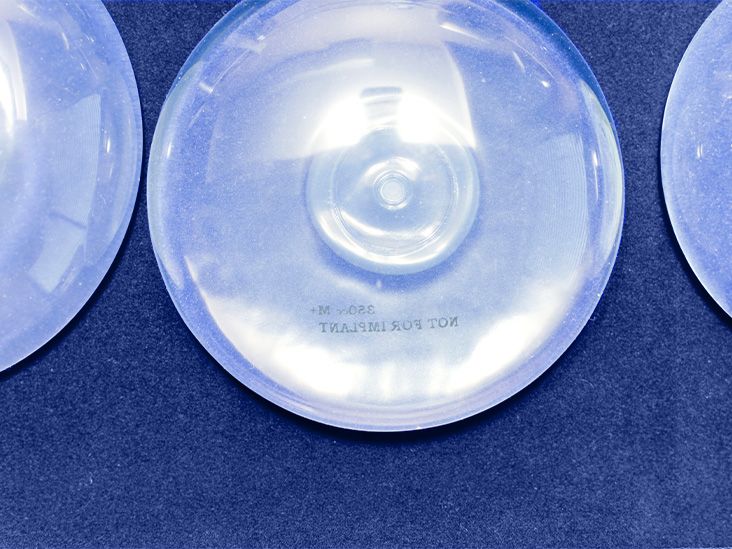
Approved silicone breast implants are not the same as free silicone injections. An implant contains silicone within a manufactured shell designed to limit migration. Most acute SES reports involve direct injections rather than intact implants.
However, rare cases of chronic pulmonary silicone embolism or silicone-related pneumonitis have been reported after implant rupture or leakage. These cases may develop gradually, producing persistent cough, shortness of breath, lung infiltrates, swollen lymph nodes, or inflammatory nodules. A person with implants and new symptoms should discuss implant integrity with a qualified clinician, but having silicone implants does not mean SES is inevitableor even likely.
How does silicone reach the lungs?
Several mechanisms may contribute:
- Direct vascular injection: The needle may enter a vein, allowing silicone to move rapidly into the circulation.
- Pressure-driven migration: Material injected under high pressure may penetrate injured vessels.
- Tissue damage: Repeated injections can disrupt small blood vessels and create routes for silicone droplets to enter the bloodstream.
- Delayed migration: Silicone may move through tissue planes, lymphatic vessels, or damaged implant capsules over time.
After reaching the lungs, silicone droplets may lodge in small pulmonary vessels. The immune system then reacts to the foreign material, producing inflammation and capillary injury. This combination of obstruction and inflammatory damage helps explain why imaging can resemble pneumonia, fat embolism, inhalation injury, or viral infection.
Silicone embolism syndrome symptoms
In injection-associated cases, symptoms commonly begin within minutes to 48 hours. One published series of 10 patients reported onset between 15 minutes and two days after injection. Delayed lung disease and other silicone complications can also occur weeks, months, or years after exposure.
Breathing and chest symptoms
- Sudden or rapidly worsening shortness of breath
- Rapid breathing
- Low blood oxygen
- Cough
- Chest pain or tightness
- Coughing up blood
- Blue or gray lips and fingertips
- Crackling sounds in the lungs
Neurologic symptoms
- Confusion or unusual behavior
- Severe headache
- Dizziness or poor coordination
- Extreme sleepiness
- Seizures
- Loss of consciousness
- Stroke-like weakness, facial drooping, or speech difficulty
Neurologic changes may result from severe oxygen deprivation, inflammation, or silicone reaching the systemic circulation. Historical case reviews suggest that profound neurologic involvement is associated with particularly serious outcomes.
Other possible signs
- Fever
- Fast heart rate
- Low blood pressure
- Nausea or vomiting
- Fatigue
- Small red or purple skin spots
- Reduced urine output
- Pain, swelling, redness, drainage, or tissue injury at the injection site
Not every patient has every symptom. Some initially appear to have mild flu-like illness before their oxygen level falls. Others arrive at the emergency department in severe respiratory distress. That unpredictability is one reason immediate evaluation is important.
When should someone seek emergency help?
Emergency care is warranted when symptoms occur after a recent cosmetic injectionespecially an injection involving the buttocks, hips, breasts, thighs, or a large volume of filler.
Do not drive yourself to the hospital if you are faint, confused, severely short of breath, or coughing up blood. Tell emergency personnel exactly what was injected, where it was injected, who performed the procedure, when it happened, and how much material may have been used.
Patients sometimes hesitate to share these details because they feel embarrassed or fear legal consequences. Clinically, withholding the history can delay the correct diagnosis. Emergency clinicians are trying to rescue oxygen-starved organs, not judge anyone’s cosmetic decisions.
How is silicone embolism syndrome diagnosed?
There is no single bedside test that instantly confirms SES. Diagnosis usually depends on combining the exposure history, timing of symptoms, oxygen measurements, imaging findings, laboratory tests, and exclusion of other emergencies.
Medical history and physical examination
The care team will ask about recent cosmetic procedures, injection sites, product names, estimated volumes, symptoms at the injection site, and the qualifications of the person who administered the material. Details about breast implants, previous injections, travel, medications, infections, and blood-clot risks may also be relevant.
Oxygen and blood testing
Pulse oximetry measures oxygen saturation. An arterial blood gas may provide a more detailed assessment of oxygen and carbon dioxide levels. Additional blood tests can look for anemia, infection, inflammation, kidney injury, abnormal clotting, or stress involving the heart and other organs.
Chest imaging
A chest X-ray may show bilateral, patchy air-space opacities. Computed tomography commonly demonstrates peripheral ground-glass opacities, areas of consolidation, and thickening between lung structures. These patterns are helpful but not exclusive to SES.
A CT pulmonary angiogram may be ordered to evaluate for an ordinary blood clot. It can be negative for a large thrombus even when silicone-related injury is present because the problem may involve microscopic vessels and diffuse inflammation rather than one easily visible clot. Published radiology reviews describe peripheral ground-glass changes and air-space disease as recurring findings.
Bronchoscopy and biopsy
Bronchoscopy allows a specialist to examine the airways and collect fluid through bronchoalveolar lavage. The sample may reveal diffuse alveolar bleeding or macrophages containing vacuole-like spaces compatible with silicone or lipid material.
A lung biopsy can sometimes demonstrate foreign material within pulmonary vessels or tissue, but it is not always necessary. Biopsy may be too risky in a patient who already requires high levels of oxygen. Doctors may therefore make a working diagnosis based on the exposure history, clinical course, and imaging.
Conditions doctors must rule out
SES can resemble:
- Blood-clot pulmonary embolism
- Fat embolism syndrome
- Bacterial or viral pneumonia
- Aspiration pneumonitis
- Sepsis
- Heart failure with pulmonary edema
- Diffuse alveolar hemorrhage from autoimmune disease
- Medication-related lung injury
- Other causes of ARDS
Silicone embolism syndrome treatment
There is no antidote that pulls silicone droplets out of the lungs. Treatment is therefore centered on keeping the patient oxygenated, supporting failing organs, controlling complications, and allowing the inflammatory lung injury to recover.
Supplemental oxygen and monitoring
A patient with a mild presentation may receive supplemental oxygen and close observation. Because deterioration can be rapid, continuous oxygen monitoring and repeated examinations may be needed even when the person initially looks relatively stable.
Intensive care and mechanical ventilation
Severe cases may require treatment in an intensive care unit. Noninvasive breathing support may be appropriate for selected patients, while worsening respiratory failure may require intubation and mechanical ventilation.
When SES causes ARDS, clinicians generally use lung-protective ventilation strategies designed to reduce additional injury from the ventilator. In extreme respiratory failure that does not respond to conventional treatment, extracorporeal membrane oxygenation, or ECMO, has been used as rescue support in reported cases.
Corticosteroids
Corticosteroids such as methylprednisolone have been used because inflammation plays a major role in silicone pneumonitis and alveolar injury. Several case reports describe improvement after steroid treatment.
However, SES is rare, and large controlled trials have not established an ideal drug, dose, or treatment duration. Steroids are therefore considered case by case rather than treated as a guaranteed cure. Clinicians must also weigh possible adverse effects, including elevated blood sugar, delirium, gastrointestinal bleeding, and increased infection risk.
Blood thinners
Because silicone embolism is not the same as a typical blood clot, anticoagulants do not dissolve or neutralize silicone. Some reported patients have received anticoagulation, particularly when a conventional clot could not initially be excluded or another indication was present.
At the same time, silicone-related lung injury can cause alveolar hemorrhage. Blood-thinning treatment must therefore be individualized after clinicians consider imaging, clotting risk, and evidence of active bleeding. Patients should never self-treat with aspirin or prescription anticoagulants.
Antibiotics and other treatments
Antibiotics may be started while infection is being investigated, especially when the patient has fever, an infected injection site, or an unidentified substance was used. They do not treat silicone itself and may be discontinued if bacterial infection is excluded.
Additional care may include intravenous fluids, blood-pressure support, seizure treatment, blood-product transfusion for major hemorrhage, kidney support, and prevention of complications associated with prolonged hospitalization.
Can the silicone be removed?
Once microscopic droplets have spread through the pulmonary circulation, surgery cannot simply vacuum them back out. Localized silicone deposits, infected tissue, chronic granulomas, or ruptured implants may sometimes require later surgical treatment by plastic surgeons and other specialists.
Removal can be complicated because free silicone may spread through multiple tissue layers. Any procedure should be planned only after the patient is medically stable and the likely benefits outweigh the risk of creating further tissue or vascular injury.
Recovery and outlook
The outlook depends on how much silicone entered the circulation, how quickly symptoms were recognized, whether the brain or other organs were affected, and how severe the respiratory failure became.
Some patients recover within days or weeks with oxygen and supportive care. Others need prolonged ventilation, rehabilitation, or follow-up for reduced exercise tolerance, coughing, fatigue, or persistent imaging abnormalities. Severe neurologic injury, extensive alveolar hemorrhage, shock, or multiple-organ failure increases the risk of death.
Survivors of critical respiratory illness may also experience muscle weakness, sleep problems, anxiety, depression, impaired concentration, or distressing ICU memories. Follow-up may involve pulmonology, physical rehabilitation, mental health support, plastic surgery, wound care, and primary care. Recovery is not always a dramatic movie montage; sometimes it is walking to the kitchen without stopping to catch a breath, then gradually building from there.
How to reduce the risk
- Do not receive free liquid silicone injections for body contouring.
- Verify that the practitioner holds an appropriate medical license.
- Have procedures performed in a legitimate, properly equipped medical setting.
- Ask for the exact name and manufacturer of every injectable product.
- Confirm that the product is FDA-approved for the intended body area and purpose.
- Be cautious of unusually low prices, cash-only procedures, hotel-room appointments, secret locations, or promises of enormous results in one session.
- Do not assume that the words “medical grade,” “biopolymer,” or “natural filler” prove that a product is safe.
- Keep records of injected products, lot numbers, dates, volumes, and treatment locations.
Public-health investigations have repeatedly found severe complications after soft-tissue injections administered by people without medical training. Unregulated procedures may expose patients not only to silicone but also to infections, contaminated products, toxic additives, and ingredients no one can confidently identify after something goes wrong.
Experiences and practical lessons related to silicone embolism syndrome
The following experiences are composite examples based on patterns reported in medical literature. They do not describe one identifiable patient, but they illustrate what patients, families, and clinical teams may encounter.
The symptoms that looked “normal” until they did not
A person receives buttock injections at a private residence. During the first hour, there is soreness, shaking, and a mild cough. The practitioner says this is normal and recommends resting. Later that evening, the person becomes winded while walking across the room. A home pulse oximeter shows a low reading, but everyone wonders whether the device is simply inaccurate.
By morning, breathing is fast and the lips appear slightly gray. At the emergency department, oxygen levels are dangerously low and chest imaging shows abnormalities in both lungs. The lesson is painfully simple: breathing trouble after an injection should not be dismissed as anxiety, soreness, or an expected reaction. Early symptoms may look unimpressive right before they become very impressive in the worst possible way.
The missing detail that changes the diagnosis
Another patient arrives with fever, coughing, chest discomfort, and patchy ground-glass opacities on CT. Initial possibilities include viral pneumonia, bacterial infection, or an autoimmune lung disorder. The patient does not mention recent filler injections because the procedure was unofficial and embarrassing.
Only after several hours does a family member privately tell a nurse about the injections. The medical team then reconsiders silicone pneumonitis and embolism syndrome, reviews the injection timing, and adjusts the diagnostic plan.
This experience highlights why honesty matters. Doctors cannot reliably connect an exposure to symptoms when the exposure is missing from the story. Patients should describe what they were told was injected while also admitting when they do not know whether that description was accurate.
The ICU experience
For a critically ill patient, the early hospital experience may involve oxygen masks, repeated blood draws, alarms, CT scans, and rapid conversations about intubation. Family members can feel as though events are moving faster than their ability to understand them.
If mechanical ventilation becomes necessary, sedation may prevent the patient from remembering much of the most severe phase. The family, however, may remember every oxygen number, every telephone call, and every cautious update. Helpful questions include what organs are affected, whether bleeding is present, whether infection or a standard blood clot has been excluded, and what improvement would look like over the next day.
Families can also help by bringing product packaging, photographs, receipts, messages from the injector, or information about other people who received injections from the same source. These details may support both medical care and a public-health investigation.
Recovery after discharge
Leaving the hospital does not always mean the patient immediately feels normal. A person who previously climbed stairs without thinking may initially need to pause halfway. Sleep may be disrupted, appetite may be poor, and concentration may feel strangely unreliable.
A gradual recovery plan can include pulmonary follow-up, repeat imaging when clinically appropriate, physical therapy, paced activity, wound evaluation, and emotional support. Patients should ask which symptoms require urgent reassessment, such as worsening breathlessness, new fever, coughing up blood, fainting, or neurologic changes.
There may also be difficult decisions about residual silicone at the injection site. Immediate removal is not always possible, and aggressive surgery may cause more harm if material has spread widely. A multidisciplinary evaluation is usually more useful than chasing promises from another person offering a “quick fix.” The first unsafe procedure should not be followed by a sequel.
The broader lesson
Many people pursue cosmetic procedures because they want confidence, affirmation, or a body shape that better reflects how they see themselves. Those motivations deserve respect. The preventable danger comes from unapproved substances, deceptive providers, inadequate emergency preparation, and environments where sterility and medical accountability are optional.
Safer care begins with verified credentials, transparent product information, realistic results, informed consent, and a clinical setting prepared to manage complications. A trustworthy professional should be willing to discuss risks without minimizing them. “Nothing ever goes wrong” is not reassurance; it is a red flag wearing a lab coat.
Conclusion
Silicone embolism syndrome is a medical emergency caused by silicone entering the circulation and injuring the lungs or other organs. It most often follows illicit or unregulated large-volume cosmetic injections, although rare chronic cases have been associated with leaking or ruptured implants.
Shortness of breath, low oxygen, chest pain, fever, coughing up blood, confusion, fainting, or stroke-like symptoms after an injection require immediate emergency care. Diagnosis is based on exposure history, imaging, laboratory findings, and exclusion of similar conditions. Treatment may include oxygen, intensive monitoring, mechanical ventilation, corticosteroids in selected cases, and advanced life support for severe respiratory failure.
Prompt disclosure of the injection history can save valuable time. Prevention is even better: avoid free silicone body-contouring injections, verify medical credentials, confirm the exact product being used, and walk away from any provider who treats safety questions like an inconvenience.