
The internet has turned health research into a strange adventure. One minute you are looking up why your knee clicks when you climb stairs, and five minutes later you are convinced your left elbow has joined a secret rebellion. That is exactly why reliable, plain-language health resources matter. Cleveland Clinic Health Essentials is one of the best-known consumer health destinations for people who want practical answers without needing a medical degree, a decoder ring, or a panic button.
Created by Cleveland Clinic, a nonprofit multispecialty academic medical center, Health Essentials focuses on everyday health, wellness, prevention, nutrition, fitness, mental health, family care, symptoms, treatments, and lifestyle choices. Its goal is not to replace your doctor. Instead, it helps you become the kind of patient doctors secretly love: informed, curious, prepared and less likely to diagnose yourself from a comment thread written by someone named “MuffinWarrior82.”
What Is Cleveland Clinic Health Essentials?
Cleveland Clinic Health Essentials is the health and wellness publishing arm of Cleveland Clinic. It offers articles, expert insights and podcast-style health discussions designed for regular readers, not just clinicians. The content covers broad topics such as heart health, digestive issues, sleep, exercise, chronic conditions, nutrition, mental well-being and preventive care.
The most important thing to understand is that Health Essentials sits between two worlds. On one side, there is highly technical medical literature, which is essential but often difficult for the average person to understand. On the other side, there is casual internet advice, which may be readable but not always accurate. Health Essentials aims to bridge that gap by translating evidence-based medicine into friendly, usable explanations.
Why Trusted Health Information Matters
Health information is everywhere, but reliability is not evenly distributed. A professional-looking website can still promote misleading claims, miracle cures or advice that is more marketing than medicine. That is why trustworthy health content should clearly identify who created it, why it exists, whether medical experts reviewed it and whether it encourages readers to work with qualified healthcare professionals.
This is where Cleveland Clinic Health Essentials has a strong advantage. Its connection to an academic medical center gives the content an institutional foundation. According to Cleveland Clinic’s own editorial approach, health content is written by professional writers and reviewed by healthcare providers who specialize in the topic. That matters because good medical content should be both understandable and medically sound. One without the other is like a treadmill with no power: it looks useful, but you are not getting very far.
Main Topics Covered by Cleveland Clinic Health Essentials
Everyday Wellness
Many people visit Health Essentials for practical wellness questions: How much sleep do adults need? What foods support heart health? Is stress affecting digestion? What does hydration actually do? These everyday questions may seem simple, but they shape long-term health more than most people realize.
The best wellness content does not shame readers. It helps them make better choices one step at a time. Cleveland Clinic Health Essentials often follows that pattern by explaining what is happening in the body, why a habit matters and how to make a realistic change. For example, instead of turning nutrition into a moral exam, helpful content might explain how fiber supports digestion, how protein helps with fullness or why added sugars are worth watching.
Nutrition and Healthy Eating
Nutrition is one of the internet’s noisiest subjects. Every week seems to bring a new “must-eat” food, a villain ingredient, or a diet trend that promises to change your life by Tuesday. Health Essentials-style nutrition content is useful because it usually brings the conversation back to fundamentals: vegetables, fruits, whole grains, lean proteins, healthy fats, portion awareness and sustainable habits.
A helpful article about nutrition should explain the “why,” not just hand readers a list of rules. For instance, if an article discusses heart-friendly eating, it should connect food choices to cholesterol, blood pressure, inflammation and blood sugar. If it covers gut health, it should explain fiber, probiotics, hydration and medical red flags. The best nutrition guidance is not dramatic. It is practical, repeatable and boring in the most beautiful way possible.
Fitness and Physical Activity
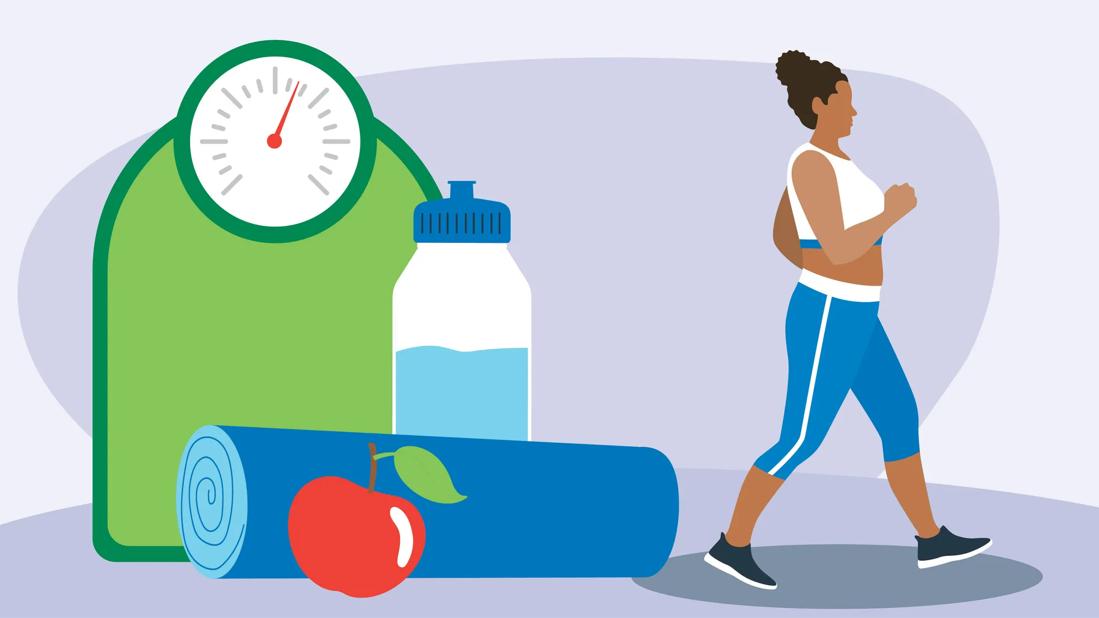
Fitness advice can be intimidating, especially when the internet makes it look as if everyone owns color-coordinated workout gear and has a refrigerator full of meal-prepped salmon. In reality, movement does not have to be glamorous to be effective. Walking, stretching, strength training, cycling, swimming and even taking stairs can support better health when done consistently.
Cleveland Clinic Health Essentials often frames movement as part of daily wellness rather than punishment for eating dessert. That tone matters. Physical activity can support heart health, sleep quality, mood, weight management, joint function and energy. The message is not “become an athlete overnight.” It is “move more than you did yesterday, and give your body a reason to send you a thank-you note.”
Sleep and Stress
Sleep and stress are two of the most underrated health topics. Many people treat sleep like a luxury and stress like a personality trait. But chronic sleep deprivation and unmanaged stress can affect mood, metabolism, immune function, decision-making and cardiovascular health.
Health Essentials content frequently helps readers recognize patterns: trouble falling asleep, waking up repeatedly, daytime fatigue, racing thoughts, muscle tension, headaches or digestive changes during stressful periods. Good content does not simply say, “Relax,” which is possibly the least relaxing advice ever invented. Instead, it offers realistic tools such as sleep routines, limiting late caffeine, winding down before bed, movement, breathing exercises and knowing when to seek professional help.
Symptoms, Conditions and Treatment Basics
One of the most valuable uses of Cleveland Clinic Health Essentials is learning the basics of symptoms and conditions before or after a medical visit. Readers may search for information about chest discomfort, migraines, acid reflux, high blood pressure, menopause, arthritis, diabetes, anxiety, skin changes or digestive problems.
A good health article should make three things clear: what a condition is, what may cause it and when to get medical care. It should also avoid pretending that one article can diagnose everyone. Symptoms often overlap. A stomachache may be indigestion, stress, infection, a medication effect or something more serious. That is why responsible health content helps readers understand possibilities while encouraging proper evaluation.
How Cleveland Clinic Health Essentials Builds Trust
It Uses Plain Language
Medical information is most useful when people can actually understand it. Health Essentials often uses approachable explanations, short sections and common examples. Instead of burying readers in jargon, it breaks down complex topics into everyday language. That makes the content more accessible for busy parents, older adults, caregivers, students and anyone who wants health answers before their coffee gets cold.
It Connects Advice to Medical Expertise
The Cleveland Clinic brand gives Health Essentials a recognizable medical backbone. Articles are typically connected to clinician insight, medical review or institutional standards. This helps separate the content from random wellness blogs that may sound confident but lack professional oversight.
It Encourages Better Conversations With Doctors
A strong health article does not end with “do this and never ask questions.” It helps readers prepare for better conversations with clinicians. For example, after reading about high blood pressure, a person may ask their doctor about home monitoring, sodium intake, exercise goals, medication side effects or screening tests. That kind of preparation can make appointments more productive.
How Readers Can Use Cleveland Clinic Health Essentials Wisely
Use It as a Starting Point, Not a Final Diagnosis
Health Essentials is useful for education, but it should not replace professional medical advice. If you have severe symptoms, worsening pain, signs of an emergency, medication concerns or a new diagnosis, a healthcare provider should be part of the conversation. Online research can help you ask smarter questions, but it cannot listen to your lungs, review your labs or know your full medical history.
Compare Information Across Reliable Sources
Even trustworthy resources should be part of a broader information diet. Readers can compare health information with sources such as MedlinePlus, CDC, NIH, FDA, major medical centers, specialty societies and government health agencies. If several reputable sources point in the same direction, confidence increases. If one source promises a miracle while everyone else recommends caution, your skepticism should put on a little cape and get to work.
Pay Attention to Dates and Updates
Health guidance changes as new research appears. An article about vaccines, screenings, medications or nutrition trends should be current. Cleveland Clinic’s editorial process includes periodic review, which is especially important in health topics where recommendations can evolve. Readers should still check publication or review dates when making decisions based on medical information.
Examples of Helpful Health Essentials Topics
A reader interested in heart health might find articles explaining blood pressure numbers, cholesterol, exercise, sodium, sleep and stress. Someone focused on digestive health may learn about reflux, bloating, fiber, probiotics or when stomach pain needs medical attention. A caregiver may search for information about aging, fall prevention, dementia, medications or nutrition for older adults. A parent may look for guidance on fever, hydration, sleep routines or emotional health in children.
The wide range of topics is part of the appeal. Health is not one subject; it is a messy group project involving your heart, brain, stomach, joints, habits, environment, stress level, family history and the questionable decision to eat nachos at midnight. A broad health platform helps readers connect those dots.
The Role of Health Essentials in Preventive Care
Preventive health is not always exciting, but it is powerful. Screenings, vaccinations, physical activity, nutritious eating, good sleep, stress management and regular checkups can reduce risk and catch problems earlier. Health Essentials supports this preventive mindset by explaining why small daily habits matter.
For example, an article about physical activity may help someone understand that exercise is not only about weight. It also supports blood pressure, blood sugar, mood, mobility and sleep. An article about colon cancer screening may encourage a reader to ask their doctor whether they are due for testing. An article about sleep apnea may help someone recognize that loud snoring and daytime fatigue are not just household sound effects.
Limitations: What Health Essentials Cannot Do
No health website can evaluate your personal symptoms with the accuracy of a clinician who knows your history. Health Essentials cannot perform an exam, order imaging, interpret your full medication list or spot subtle warning signs unique to your case. It also cannot tell whether a symptom is harmless or urgent based only on a few words typed into a search bar.
That limitation is not a weakness; it is a sign of responsible health communication. Good health education should empower readers without pretending to be magic. If you have chest pain, trouble breathing, signs of stroke, severe allergic reaction, uncontrolled bleeding, sudden confusion or other emergency symptoms, do not keep reading articles. Seek urgent medical help.
Real-Life Experiences: How People Use Cleveland Clinic Health Essentials
Imagine a busy office worker named Daniel who has been feeling tired for weeks. His first instinct is to blame work, coffee quality and the ancient office chair that sounds like a haunted accordion. He reads a Health Essentials article about sleep quality and realizes his “six hours plus weekend catch-up” strategy may not be doing him any favors. He starts tracking bedtime, caffeine timing and late-night screen use. The article does not diagnose him, but it gives him practical language for his next checkup. Instead of saying, “I’m just tired,” he can tell his doctor, “I sleep about six hours, wake up twice and feel drowsy after lunch.” That is much more useful.
Or consider Maria, who wants to improve her heart health after a family member is diagnosed with high blood pressure. She reads about sodium, exercise, stress and home blood pressure monitoring. Instead of trying to overhaul her entire life in one heroic Monday morning sprint, she starts with small changes: more walks, more vegetables, fewer processed snacks and a plan to discuss screening with her provider. The content gives her structure without making her feel like she has failed if dinner still includes pizza sometimes. Health improvement works better when it leaves room for real life.
Then there is a caregiver named Angela, helping her father manage several health conditions. She uses Cleveland Clinic Health Essentials to understand unfamiliar terms from appointments. When a doctor mentions inflammation, medication side effects or fall prevention, she later reads plain-language explanations so she can support her father more confidently. This kind of learning can reduce fear. Medical words feel less frightening when someone explains them without sounding like a textbook swallowed a thesaurus.
Parents may use Health Essentials differently. A parent searching for information about fever, hydration, anxiety, sleep or nutrition is often looking for calm guidance at exactly the moment their household has turned into a tiny emergency department with juice boxes. Clear health content can help parents decide what questions to ask, what symptoms to monitor and when to call a pediatrician.
Finally, Health Essentials can help readers become better at spotting weak health claims. After reading content that explains evidence, risks and realistic expectations, people may become less vulnerable to dramatic promises. If a supplement ad claims to “erase belly fat overnight” or “detox every organ by Friday,” a more informed reader is more likely to pause. That pause is valuable. In health decisions, skepticism is not negativity; it is self-protection wearing sensible shoes.
Conclusion
Cleveland Clinic Health Essentials is a valuable resource for people who want clear, practical and medically grounded health information. Its strength is not just that it explains conditions and wellness topics. Its strength is that it makes health information feel usable. Readers can learn about symptoms, prevention, nutrition, exercise, sleep, stress and treatment basics in a way that supports smarter conversations with healthcare professionals.
The smartest way to use Health Essentials is as a trusted starting point. Read, learn, take notes and bring thoughtful questions to your doctor. Do not use any website as a substitute for medical care, especially when symptoms are severe or unusual. Still, when used wisely, Cleveland Clinic Health Essentials can help turn health confusion into clarity and in the online health world, that is no small miracle.