
Note: This article is for general education only and should not be treated as personalized investment, tax, or legal advice. Retirement decisions are wonderfully individual, a bit like coffee orders, except the wrong one can affect the next 30 years.
A bear market is uncomfortable for almost everyone, but it feels especially rude when it arrives right after you have stopped saving. During your working years, a market drop can look like a clearance sale. Your paycheck keeps coming, your retirement contributions buy more shares, and you can tell yourself, with noble confidence, that volatility is “part of the journey.” Then retirement arrives, the paycheck retires too, and suddenly the same market decline feels less like a sale and more like a raccoon loose in the pantry.
Surviving a bear market when you are done saving is not about predicting the bottom, watching financial television until your eyebrows cramp, or moving your entire portfolio into cash because the market had a bad week. It is about building a retirement income strategy that can bend without breaking. The key is understanding sequence of returns risk, managing withdrawals carefully, holding enough safe assets, staying diversified, and making spending decisions with a cool head instead of a panic button.
The good news: retirees have more tools than they often realize. A bear market can be scary, but it does not automatically mean your retirement plan is ruined. With the right structure, you can give your portfolio time to recover while still paying the electric bill, buying groceries, and occasionally enjoying life like a person rather than a spreadsheet.
What Makes a Bear Market So Dangerous in Retirement?
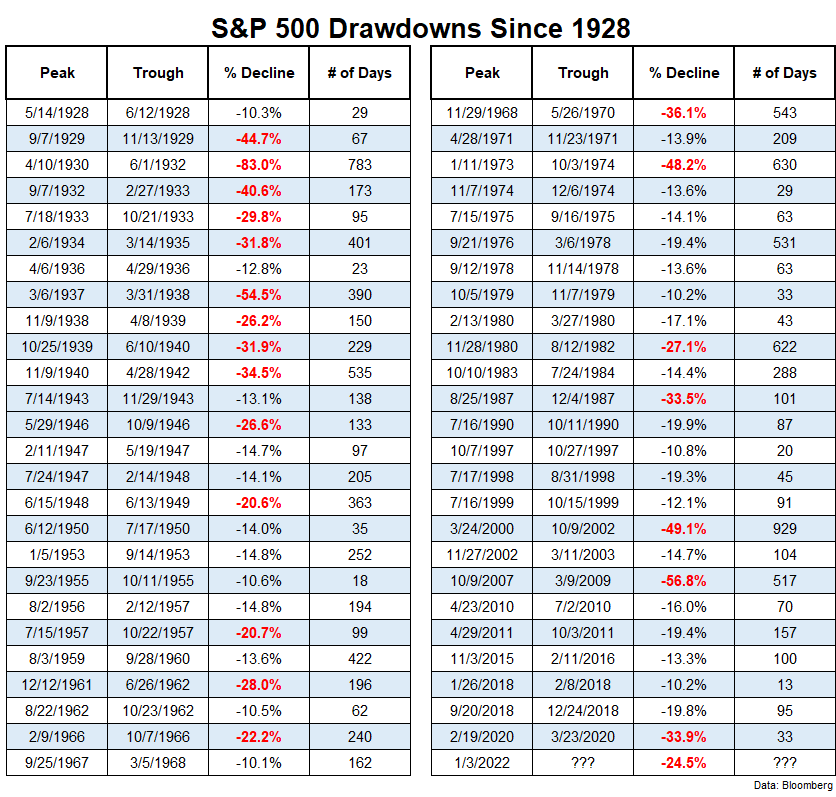
A bear market is commonly understood as a decline of 20% or more from recent market highs. For younger investors, that decline may be painful but temporary. For retirees, the risk is more complicated because money is usually coming out of the portfolio at the same time the account value is falling.
The Problem Is Not Just the Loss It Is the Timing
This is where sequence of returns risk enters the chat, wearing a very serious blazer. Sequence risk means that the order of investment returns matters. Two retirees can earn the same average return over 30 years, but the one who suffers large losses early in retirement while taking withdrawals may end up in a much weaker position.
Imagine a retiree with a $1,000,000 portfolio who plans to withdraw $40,000 a year. If the market falls 20%, the account may drop to $800,000 before withdrawals. Taking another $40,000 from that reduced balance means the portfolio now has less money available to participate in a recovery. Repeat that pattern for a few years and the plan can start limping like a shopping cart with one bad wheel.
This is why retirees should treat early retirement bear markets with extra respect. The goal is not to avoid every decline. That is impossible unless your crystal ball has better Wi-Fi than everyone else’s. The goal is to avoid selling too much of the wrong asset at the wrong time.
Start With a Retirement Income Map
Before changing investments, retirees should understand exactly where their income will come from. A clear retirement income map separates guaranteed or predictable income from portfolio withdrawals.
Common income sources may include Social Security, pensions, annuities, bond interest, dividends, rental income, part-time work, and withdrawals from IRAs, 401(k)s, taxable brokerage accounts, or Roth accounts. The more essential expenses that are covered by reliable income, the less pressure falls on the investment portfolio during a downturn.
Separate Needs, Wants, and “Would Be Nice” Spending
A practical retirement budget should not be one giant category called “life.” Break it into three groups:
- Needs: housing, food, utilities, insurance, taxes, basic transportation, and health care.
- Wants: travel, dining out, hobbies, gifts, entertainment, home upgrades, and other lifestyle expenses.
- Flexible extras: big vacations, new vehicles, luxury purchases, and projects that can wait without causing disaster.
This structure helps during a bear market because it shows where temporary adjustments can happen. Nobody wants to cut fun spending, but trimming a cruise, delaying a kitchen remodel, or skipping inflation adjustments for one year is far better than selling depressed assets simply to preserve every line item.
Keep a Cash Reserve So Stocks Can Breathe
Cash is not exciting. Cash will not brag at parties. Cash does not have a dramatic growth story involving artificial intelligence, biotech, or a founder who wears the same hoodie every day. But in retirement, cash has one heroic job: it keeps you from selling stocks when stocks are down.
Many retirement planners use some version of a bucket strategy. The basic idea is simple. Money needed soon should be held in safer, more liquid assets. Money needed much later can stay invested for long-term growth.
A Simple Three-Bucket Framework
Bucket one: near-term cash. This may cover one to two years of planned withdrawals, depending on the retiree’s comfort level and income sources. It can include checking, savings, money market funds, or short-term Treasury bills.
Bucket two: stability and income. This may hold high-quality bonds, bond funds, CDs, or other conservative assets intended to support spending over the next several years.
Bucket three: long-term growth. This includes diversified stock funds or other growth investments meant to fight inflation and support spending later in retirement.
The magic is not in the labels. The magic is behavioral. When markets fall, the retiree can draw from cash or maturing bonds instead of selling stock funds at a discount. That breathing room can reduce the damage caused by sequence of returns risk.
Do Not Abandon Stocks Completely
After a painful market drop, it is tempting to say, “That’s it, I am done with stocks forever.” Understandable? Yes. Wise? Not usually.
Retirement can last 20, 30, or even 40 years. Over that long stretch, inflation can quietly nibble away at purchasing power like a mouse with a gym membership. A portfolio that is too conservative may feel safe in year one but become vulnerable later if it fails to grow enough to support rising costs.
The Goal Is Balance, Not Bravery
Retirees do not need to swing for the fences. In fact, retirement is not the ideal time to invest like someone trying to turn lunch money into a yacht. But most retirees still need some exposure to growth assets. The appropriate stock allocation depends on age, spending needs, risk tolerance, health, guaranteed income, and legacy goals.
A retiree with a strong pension and modest spending may tolerate more stock exposure than someone relying almost entirely on portfolio withdrawals. The right allocation is personal. The wrong allocation is the one that causes panic selling every time the market sneezes.
Use Flexible Withdrawals Instead of Rigid Rules
The classic 4% rule says a retiree withdraws 4% of the starting portfolio balance in the first year, then adjusts that dollar amount for inflation each year. It is a useful starting point, but real retirement is rarely that tidy. Markets change. Spending changes. Health changes. The price of eggs occasionally acts like it hired a publicist.
A flexible withdrawal strategy can help retirees adapt during bear markets. Instead of blindly increasing withdrawals every year, retirees can adjust spending based on portfolio performance.
Practical Ways to Adjust Withdrawals
- Pause inflation increases: If the portfolio is down sharply, keep the withdrawal amount flat for a year.
- Reduce discretionary spending: Temporarily cut travel, entertainment, or large purchases.
- Use guardrails: Set upper and lower portfolio thresholds that trigger spending changes.
- Take income first: Use interest, dividends, and maturing bonds before selling long-term growth assets.
- Delay major expenses: Give the portfolio time to recover before funding large optional purchases.
Even modest flexibility can make a meaningful difference. A retiree who trims spending by 5% to 10% during a downturn may reduce the need to sell investments at poor prices. That is not glamorous, but neither is running out of money at age 87 because the portfolio was forced to fund a luxury patio during a market crash.
Rebalance Carefully, Not Emotionally
Rebalancing means bringing your portfolio back to its target allocation. If your plan calls for 50% stocks and 50% bonds, and a bear market pushes stocks down to 40%, rebalancing may involve buying stocks with some bond or cash assets. Emotionally, this feels about as natural as hugging a cactus. Strategically, it can help maintain discipline.
However, retirees should rebalance with cash-flow needs in mind. If you need near-term withdrawals, do not raid your entire safety bucket just to chase a target percentage. A good retirement plan balances long-term allocation with short-term liquidity.
Create Rules Before the Market Gets Loud
Bear markets are noisy. Headlines become dramatic. Commentators make confident predictions that age like milk in a hot car. That is why it helps to create rules in advance:
- How much cash should be kept available?
- Which accounts will fund withdrawals first?
- When will the portfolio be rebalanced?
- How much can discretionary spending be reduced?
- What market decline will trigger a review with a financial professional?
Rules remove some of the emotional guesswork. They are not perfect, but they are better than making decisions at midnight while staring at red numbers and eating cereal directly from the box.
Be Tax-Smart During a Down Market
A bear market is unpleasant, but it can create tax-planning opportunities. Retirees with taxable investment accounts may consider tax-loss harvesting, which means selling investments at a loss to offset capital gains. Those with traditional retirement accounts may explore Roth conversions when account values are lower, though conversions can increase taxable income in the year they occur.
Required minimum distributions also matter. Many retirees must begin taking annual withdrawals from certain tax-deferred retirement accounts at the required age. Because tax rules can change and mistakes can be expensive, retirees should work with a qualified tax professional before making major moves.
Choose Withdrawal Sources With Intention
Withdrawal order can affect taxes and portfolio longevity. A common approach is to use taxable accounts first, then tax-deferred accounts, then Roth accounts, but that is not always best. Some retirees may benefit from partial Roth conversions, qualified charitable distributions, or drawing from multiple accounts to manage tax brackets.
The main point is this: do not treat every account as the same bucket of money. A dollar in a traditional IRA, a Roth IRA, and a taxable brokerage account may have different tax consequences. In retirement, tax efficiency is not a side dish. It is part of the main meal.
Protect the Essentials With Reliable Income
One powerful way to survive a bear market is to reduce the amount your portfolio must provide during bad years. Social Security is a major part of that conversation. Claiming early can provide income sooner, but waiting can increase monthly benefits for those who are able and for whom it makes sense.
Some retirees also consider annuities or pensions as part of their income floor. These tools are not right for everyone, and they can be complex. But the concept is useful: if essential expenses are covered by reliable income, the investment portfolio has more flexibility during bear markets.
Build a Floor Before Decorating the Ceiling
Think of retirement income like a house. The floor is food, housing, health care, utilities, insurance, and taxes. The ceiling is dream travel, fancy dinners, big gifts, and optional upgrades. A bear market becomes less frightening when the floor is strong. You may postpone repainting the ceiling, but at least you are not falling through the kitchen.
A Specific Example: The Calm Retiree vs. the Panic Retiree
Consider two retirees, both age 67, both starting with $900,000. Each planned to withdraw $42,000 in the first year. Then the market falls 22%.
The panic retiree sells stock funds immediately, moves most of the account to cash, keeps spending exactly as planned, and waits for “things to feel safe again.” Unfortunately, markets often recover before they feel safe. By the time confidence returns, the retiree may have missed a meaningful rebound.
The calm retiree uses a cash reserve for near-term spending, pauses the annual inflation increase, trims discretionary spending by $4,000, and rebalances gradually according to a written plan. This retiree does not enjoy the bear market, because nobody with a pulse enjoys opening a retirement statement during a downturn. But the plan gives the portfolio time to recover.
The difference is not intelligence. It is preparation. A bear market rewards retirees who decided what to do before fear started shouting.
Common Mistakes Retirees Make in a Bear Market
1. Selling Everything After the Drop
Selling after a major decline can turn a temporary paper loss into a permanent financial injury. Sometimes reducing risk is necessary, but doing it in a panic often means selling low and buying back higher later.
2. Refusing to Adjust Spending
A retirement plan should not be so fragile that one restaurant budget reduction feels like defeat. Flexible spending is one of the most practical tools retirees have.
3. Holding Too Much Cash Forever
Cash helps in a downturn, but too much cash for too long can weaken growth. Inflation does not knock on the door and announce itself politely. It simply makes everything cost more.
4. Ignoring Taxes
Withdrawals, Roth conversions, capital gains, Social Security taxation, and Medicare premium thresholds can interact in surprising ways. A tax-aware plan may help retirees keep more of what they have saved.
5. Watching the Portfolio Too Often
Checking your account five times a day will not make the market recover faster. It may, however, make your blood pressure perform jazz. Monthly or quarterly reviews are usually more useful than emotional daily monitoring.
How to Create a Bear Market Retirement Checklist
A checklist can turn market chaos into manageable action. Here is a practical framework:
- Confirm how much cash is available for the next 12 to 24 months.
- Review essential and discretionary expenses.
- Identify which withdrawals can be reduced or delayed.
- Use interest, dividends, pensions, Social Security, or maturing bonds where appropriate.
- Avoid selling depressed stock assets unless required by the plan.
- Rebalance only according to predetermined rules.
- Review tax opportunities with a qualified professional.
- Update the plan after the market stabilizes, not during emotional peak panic.
This checklist does not eliminate uncertainty. Nothing does. But it gives retirees a way to respond instead of react.
Experiences and Lessons From Retirees Facing Bear Markets
The most useful bear market lessons often come from retirees who have already lived through one. Their stories are rarely about perfect predictions. More often, they are about staying calm, making small adjustments, and learning that retirement confidence comes from process, not headlines.
One common experience is the emotional shift that happens when a person moves from saving to spending. During the accumulation years, market declines can feel abstract. The investor is still earning a paycheck. Contributions continue. Time feels abundant. But once retirement begins, the same decline feels personal. A $100,000 portfolio drop is no longer just a number on a statement. It looks like future vacations, medical bills, home repairs, and holiday gifts all waving goodbye from a departing bus.
Retirees who handle bear markets well often describe the value of having “permission” built into the plan. They know in advance that travel spending can be reduced for a year. They know which account will fund withdrawals. They know that the cash bucket exists specifically for ugly markets. That knowledge does not make losses fun, but it prevents every downturn from becoming a five-alarm emergency.
Another lesson is that small spending changes feel much better when they are framed as temporary choices rather than permanent sacrifices. A retiree may decide to take a road trip instead of an overseas vacation, eat out twice a month instead of weekly, or postpone a bathroom renovation until the portfolio recovers. These are not failures. They are pressure valves. A flexible retiree does not need to dismantle the whole retirement dream just because the market had a tantrum.
Many retirees also discover that diversification is easier to appreciate after it has done something useful. In bull markets, bonds and cash can look boring. During a bear market, boring becomes beautiful. A cash reserve can pay bills. Short-term bonds can provide stability. Dividends and interest can reduce the need to sell shares. Suddenly the “boring” part of the portfolio looks less like dead weight and more like a financial umbrella.
There is also a psychological lesson: retirees who limit portfolio checking often make better decisions. Watching every market move can create the illusion that action is required. But retirement portfolios are not houseplants. They do not need constant poking. A scheduled review with clear rules can reduce anxiety and prevent impulsive decisions.
Finally, experienced retirees often learn that a bear market is a test of the plan, not a verdict on the retiree. Markets fall. Recoveries happen on uncertain schedules. No one gets through decades of retirement without uncomfortable periods. The retirees who fare best are usually not the ones who found the perfect investment. They are the ones who built a plan flexible enough to absorb bad years without forcing desperate choices.
Surviving a bear market when you are done saving is not about being fearless. It is about being prepared enough that fear does not get the steering wheel.
Conclusion: Retirement Survival Is a Strategy, Not a Mood
A bear market in retirement can feel deeply unsettling, especially when you are no longer adding new savings to the portfolio. But it does not have to derail your financial life. The best defense is a thoughtful income plan: enough cash for near-term withdrawals, enough growth for long-term inflation protection, flexible spending rules, tax-aware withdrawals, and a calm process for rebalancing.
The central lesson is simple: do not let a temporary market decline force permanent decisions. Give your investments room to recover. Protect essential expenses. Adjust discretionary spending when needed. Review the plan, not just the panic.
Retirement is not about never facing a storm. It is about building a boat that does not require perfect weather. And yes, maybe keeping a little extra cash on board, because even the best captain occasionally needs snacks.