
Note: This guide is written for adults 21+. Long Island’s wineries are beautiful places to learn about farming, coastal terroir, and winemakingwhether you’re booking a vineyard tour, browsing a bottle shop, or just soaking up the views.
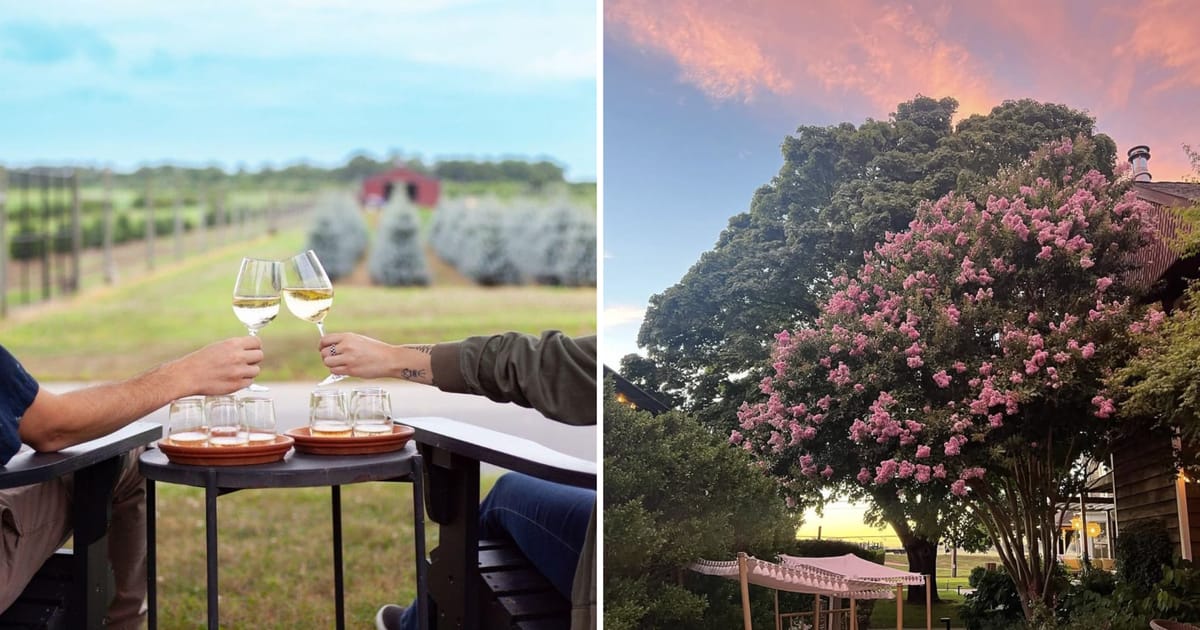
Long Island wine country is the East End’s not-so-secret superpower: two skinny forks wrapped by the Atlantic, Long Island Sound, and the Peconic Bay, creating a maritime “temperature moderator” that helps grapes ripen slowly and keep their natural freshness. If you’ve ever wished for a wine region that feels like a beach weekend and a farm stand run rolled into one, congratulationsyou’ve arrived.
Officially, the region sits inside the Long Island AVA, with two well-known sub-AVAs: The Hamptons, Long Island and the North Fork of Long Island. Translation: you can do “polished, see-and-be-seen” on the South Fork, or “bikes, barns, and briny breezes” on the North Forkthen argue with your friends about which is better (it’s both; don’t @ me).
How We Ranked These Long Island Wineries
This ranking blends wine quality with the full visitor experiencebecause a winery isn’t just what’s in the glass. It’s also the farming, the setting, the hospitality, and whether you leave thinking, “I should’ve packed a second sweater.”
Ranking criteria
- Wine quality & consistency: Track record, flagship styles, and overall craft.
- Sense of place: Wines that feel distinctly “Long Island”fresh acidity, coastal influence, and food-friendly balance.
- Visitor experience: Tastings, tours, seating, vibes, and how easy it is to enjoy without feeling rushed.
- Distinctiveness: Iconic producers, standout specialties (sparkling, rosé, Bordeaux blends), or thoughtful sustainability.
Sources we synthesized (10–15 reputable U.S. references)
To keep this grounded in real, current reporting and official regional information, we cross-checked consensus lists and regional guides from publications and organizations such as: Food & Wine, Wine Enthusiast, Travel + Leisure, The Infatuation, Discover Long Island (official tourism), the New York Wine & Grape Foundation, and federal AVA recordsplus winery profiles and sustainability consortium information where relevant.
#1 Bedell Cellars (Cutchogue)
Bedell earns the top spot for doing the rare thing: feeling both foundational and fresh. It’s a North Fork anchor with serious wine credentials and a tasting experience that’s equal parts coastal calm and “yes, we absolutely thought about the lighting.” Expect confident reds and whites that lean into Long Island’s food-friendly balanceplus a strong sense of artistry in the space and labels.
- Known for: Merlot and other Bordeaux-inspired reds, plus expressive whites.
- Why it stands out: A polished, art-forward tasting room without losing the farm-and-vineyard soul.
- Best for: First-timers who want a “this is what Long Island wine is about” benchmark.
#2 Wölffer Estate Vineyard (Sagaponack)
If the Hamptons had an official winery soundtrack, Wölffer would be on the playlist. It’s iconic for a reason: elegant hospitality, an unmistakable sense of place, and wines that match the coastal energyespecially in rosé season (which, on the South Fork, lasts roughly from April to “we still have one more bottle”).
- Known for: Rosé, plus a broad portfolio of polished bottlings.
- Why it stands out: The complete “South Fork winery” experiencescenic, stylish, and well-run.
- Best for: A celebratory outing that still feels rooted in real vineyards, not just vibes.
#3 Macari Vineyards (Mattituck)
Macari feels like Long Island wine country in high definition: water nearby, breezes overhead, and a strong commitment to the land. It’s also a poster child for the modern North Forkquality-driven, intentional, and designed for lingering. The wines, especially structured reds and bright whites, tend to reward people who pay attention (but won’t punish anyone who just came for the view).
- Known for: Serious red blends and crisp whites; a strong North Fork reputation.
- Why it stands out: A “farm ecosystem” feelagriculture isn’t décor here; it’s the point.
- Best for: Travelers who like a wine experience that’s equal parts terroir and tranquility.
#4 Paumanok Vineyards (Aquebogue)
Paumanok is what happens when a winery quietly becomes a critics’ darlingand then keeps earning it. The setting is relaxed, but the wines are focused and confident, often leaning into classic varieties that thrive in a coastal climate. If you’re building a Long Island “must-try” shortlist, Paumanok belongs on it.
- Known for: Cabernet Franc, Merlot, and other classic vinifera bottlings.
- Why it stands out: Consistencyyear after year, the wines show care and clarity.
- Best for: People who want the wine to be the headline (with a pleasant background of vines).
#5 Channing Daughters Winery (Bridgehampton)
Channing Daughters is a creative force on the South Fork, known for exploring an unusually wide range of grape varieties. This is the stop for curious drinkers and “I read the label” people. The tasting experience feels like an invitation to explorenot a lecture, but also not a party trick.
- Known for: An adventurous lineup that goes beyond the usual suspects.
- Why it stands out: Variety with intentmore than a novelty, it’s a philosophy.
- Best for: The friend who always orders the one wine nobody else recognizes.
#6 Lenz Winery (Peconic)
Lenz is old-school North Fork in the best way: estate-grown focus, long-standing reputation, and a deep connection to what Long Island does well. There’s a sense of history hereboth in the vineyard and in the region’s evolution from “new kid” to genuine American wine destination.
- Known for: Estate wines across styles, with a strong reputation for quality.
- Why it stands out: A legacy producer that still feels relevant.
- Best for: Anyone who likes their wine country with a side of “this place has stories.”
#7 Kontokosta Winery (Greenport)
Kontokosta’s calling card is the setting: coastal bluffs, big sky, and views that make you forget your phone exists (briefly). Beyond the scenery, it’s also associated with sustainable winegrowing efforts in the regionproof that “beautiful” and “responsible” can share the same postcard.
- Known for: Coastal-influenced wines and one of the most scenic winery settings on the North Fork.
- Why it stands out: The view is not a gimmickit’s the region’s maritime identity on display.
- Best for: Visitors who want maximum “Long Island” per square inch: vines, water, breeze, wow.
#8 Sparkling Pointe (Southold)
Long Island sparkling deserves more hype, and Sparkling Pointe is one big reason why. Focused on traditional-method sparkling production, it’s a specialistmeaning you come here when you want bubbles with craft behind them, not “we made one sparkling because someone asked.”
- Known for: Traditional-method sparkling wines using classic sparkling varieties.
- Why it stands out: A clear, committed identity in a region known for variety.
- Best for: Celebrations, yesbut also for people who think bubbles belong at lunch (and honestly, fair).
#9 Lieb Cellars (Cutchogue) + Bridge Lane (Mattituck)
Lieb is a pillar of the North Fork scene, with the bonus of offering different experiences through its tasting locations and labels. It’s a smart pick when your group has mixed tastesbecause someone will want something crisp, someone will want something red and structured, and someone will insist they “only like one specific style” until they don’t.
- Known for: A broad lineup, including respected reserve bottlings and a more casual label experience.
- Why it stands out: Versatility without losing quality.
- Best for: Groups who want options (and a high chance everyone leaves happy).
#10 Palmer Vineyards (Riverhead)
Palmer is one of those places that feels like it’s been part of Long Island wine country foreverbecause it has. It balances classic tasting room energy with a welcoming, event-friendly vibe, making it a reliable stop whether you’re going full wine-nerd or just looking for a great afternoon outside.
- Known for: A range of styles and a strong “North Fork mainstay” reputation.
- Why it stands out: Approachable hospitality plus wines that hold up.
- Best for: Easygoing visits that still feel like a real winery experience.
#11 Raphael Vineyard & Winery (Peconic)
Raphael is the “grand architecture” moment in many North Fork itinerariesbut it isn’t just a pretty building. Fans show up for bold, Bordeaux-inspired blends and the kind of tasting setup that makes settling in feel effortless. It’s a good choice when you want comfort, space, and a lineup that leans serious.
- Known for: Structured red blends and a polished tasting environment.
- Why it stands out: A big, comfortable experience that still respects the wine.
- Best for: A “rain or shine” stopbecause it’s built for both.
#12 Castello di Borghese (Cutchogue)
Long Island’s modern wine story starts in the early 1970s, and the legacy of that era runs through this property. The experience blends history, thoughtful hospitality, and a sense that Long Island wine isn’t a noveltyit’s a region that grew up and got good.
- Known for: A strong Long Island pedigree and a visitor experience that highlights the region’s roots.
- Why it stands out: A tangible connection to Long Island’s early wine milestones.
- Best for: Anyone who likes “origin story” energy with their vineyard visit.
#13 Pindar Vineyards (Peconic)
Pindar is famous for scaleone of the bigger names in Long Island wine countryyet it still manages to feel like a real destination rather than a wine factory. It’s a helpful stop for groups with varied preferences, and it plays a big role in making Long Island wine approachable for newcomers.
- Known for: A wide selection spanning multiple styles.
- Why it stands out: Big-name accessibility without losing the vineyard setting.
- Best for: Mixed groups, first-timers, and anyone who likes having lots of choices.
#14 Croteaux Vineyards (Southold)
Croteaux is delightfully specific: rosé, and only rosé. In a world where many producers try to be everything to everyone, that kind of focus is refreshing. The experience is charming and garden-like, and it’s a perfect “reset” stop when you want something bright, coastal, and unapologetically pink (in the best way).
- Known for: Rosé-only production and a distinctly summery atmosphere.
- Why it stands out: A singular identity that’s rare in American wine country.
- Best for: Rosé fans and anyone who believes summer is a personality.
#15 Duck Walk Vineyards (Southold + Water Mill)
Duck Walk is a recognizable Long Island staple with a footprint on both forks, which makes it easy to fit into different itineraries. The wines are crowd-pleasers, and the overall experience tends to be friendly and eventfulideal when you want a classic, no-stress winery stop.
- Known for: A broad lineup and a well-established Long Island presence across both forks.
- Why it stands out: Convenience plus consistencyespecially useful for visitors planning around geography.
- Best for: Easy planning, relaxed visits, and a dependable “everyone will find something” stop.
Long Island Winery Etiquette (So Everyone Has a Great Day)
Long Island wineries are often working farms first and visitor destinations second. A little courtesy goes a long way: respect reservations and posted rules, keep voices at a “happy outdoor brunch” level, and treat the vineyard like someone’s workplacebecause it is. Also: coastal weather changes fast. A sunny afternoon can turn breezy in minutes, so bring a light layer and suddenly you’ll look like the smartest person in your group.
Extra: of Long Island Winery “Experience” (What It Feels Like)
There’s a particular kind of calm that settles in on the East Endlike the island is exhaling. A Long Island winery day (for adults 21+) doesn’t feel like a checklist so much as a slow-motion highlight reel: wind moving through vine rows, the distant gleam of water, and the soft soundtrack of people laughing like they don’t have 47 unopened emails waiting at home.
On the North Fork, the experience often starts before you even reach a tasting room. You’ll pass farm stands stacked with apples, pumpkins, and whatever just came out of the ground five minutes ago. The roads feel more “country” than people expect this close to New York City, and thensuddenlythere’s the bay, or the Sound, or both. The geography is part of the flavor here. Even if you don’t know a Cabernet Franc from a phone charger, you can sense that the ocean is doing something important in the background.
The best winery experiences on Long Island have a rhythm. You arrive, you take in the setting, you learn a littleabout the vintage, the weather, the variety that did surprisingly well that yearand you realize that wine is basically agriculture with better storytelling. Some places feel like airy galleries with labels that belong in frames. Others feel like barns that got dressed up for company. And some are so scenic you’ll catch yourself staring at the horizon mid-sentence, like a Victorian character contemplating their fate (your fate is: “Should we also stop for oysters?”).
The South Fork has its own mood: a little more polished, a little more “weekend escape,” and somehow still deeply coastal. You might see people dressed for a photo, but you’ll also see regulars who know where the shade hits at 3 p.m. The joy is in the contrastserious winemaking set in a place that also has beach sand in its bloodstream.
Season matters. Spring feels like promisegreen returning, patios waking up. Summer is peak Long Island: long light, salty breezes, and the sense that time has politely slowed down. Fall is the dramatic oneharvest energy, farm stands at full volume, and golden afternoons that make you want to write a novel you will absolutely never finish. Winter is underrated: fewer crowds, cozier tastings, and a chance to actually talk with staff without feeling like you’re in a pleasant but bustling parade.
Most of all, Long Island wine country feels refreshingly human. It’s not about chasing a single “perfect” bottle. It’s about enjoying a place where land, water, and craft meetwhere you can spend a day outside, eat something local, learn something small and satisfying, and head home feeling like you took a real break. The best souvenir isn’t a buzzword. It’s that calm, coastal, “we should do this again” feeling that follows you back over the bridge.
Conclusion
From North Fork classics like Bedell, Macari, and Paumanok to South Fork icons like Wölffer and adventurous producers like Channing Daughters, Long Island delivers a wine-country experience that’s genuinely its own: maritime, food-friendly, and easy to love. Use this ranked list as a roadmap, then let the day unfoldcoastal breezes and all.