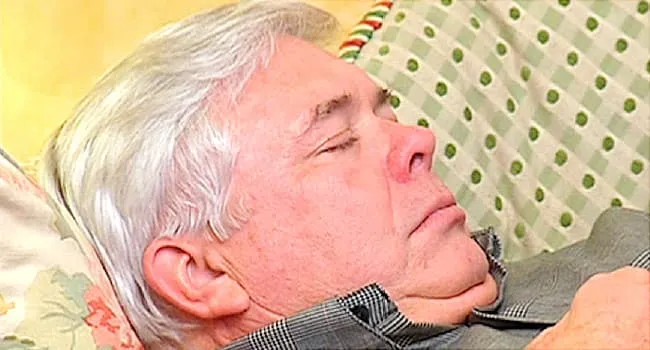

Few things feel more innocent than a nap. You close your eyes “for five minutes,” wake up convinced it is 2007, and briefly wonder whether you still have a math test after lunch. Naps can be wonderfully restorative, but they are not magical little sleep coupons that erase every late night, stressful deadline, or binge-worthy TV decision.
The truth about naps is pleasantly complicated: a short, well-timed nap may improve alertness, mood, memory, and reaction time. A long or late nap, however, can leave you groggy, sabotage bedtime, or hide a bigger sleep problem. The goal is not to fear the afternoon snooze. It is to use it strategically, like sunscreen, leftovers, or the mute button during a video call.
This guide explains the benefits of naps, the best nap length, when napping may backfire, and how to build a healthier nap routine without turning your couch into a full-time residence.
What Is a Nap, Exactly?
A nap is a short period of sleep taken outside your main nighttime sleep. For many adults, it happens during the natural afternoon dip in alertness, often between about 1 p.m. and 3 p.m. That sleepy stretch is not always a personal failure or proof that your lunch contained one carb too many. Human alertness naturally tends to dip in the early afternoon because of circadian rhythms, the internal timing system that helps regulate sleep and wakefulness.
Not every nap is the same. A quick 10- to 20-minute power nap is very different from a two-hour accidental hibernation under a throw blanket. Nap length, timing, sleep debt, age, work schedule, medications, and nighttime sleep quality all affect whether a nap helps or hurts.
Are Naps Good for You?
For many people, yes. A brief nap can be a useful tool when it supplements healthy nighttime sleep rather than replaces it. Research on daytime sleep suggests that short naps may reduce sleepiness and support alertness, learning, memory, and mood. That is why a carefully timed nap can feel like someone quietly restarted your brain without deleting your tabs.
Potential Benefits of a Short Nap
A short nap may help you:
- Feel more alert during an afternoon slump.
- Improve focus, attention, and reaction time.
- Support memory and learning after studying or practicing a skill.
- Improve mood when you are tired, cranky, or one minor inconvenience away from dramatically resigning from civilization.
- Recover somewhat after a poor night of sleep, travel, illness, or an unusually demanding workday.
- Stay more alert during shift work when naps are planned safely and paired with adequate recovery sleep.
That said, a nap is a supplement, not a substitute. Adults generally need regular, sufficient nighttime sleep for health and performance. If naps become your only way to function, the more useful question may not be “How can I nap better?” but “Why am I exhausted every day?”
The Best Nap Length: Why 20 Minutes Gets So Much Attention
The classic recommendation for a power nap is usually around 10 to 30 minutes, with many sleep experts favoring roughly 15 to 20 minutes for most adults. This range is short enough to provide a refresh without increasing the odds of waking from deeper sleep.
When you sleep longer, your brain may move into deeper stages of non-REM sleep. Waking suddenly from deep sleep can trigger sleep inertia, the temporary grogginess, confusion, slow thinking, and “Why is my phone speaking English?” feeling that can follow a nap.
A Practical Nap-Length Guide
10 to 20 minutes: Often best for a quick boost in alertness and energy. This is the “I need to be a functioning person soon” nap.
20 to 30 minutes: Still useful for many people and may improve concentration and mood. Some people wake refreshed; others need a few extra minutes to reboot.
30 to 60 minutes: May help after sleep loss and can support memory, but it increases the chance of sleep inertia. Do not schedule this immediately before driving, operating equipment, presenting to a client, or making a major life decision involving bangs.
About 90 minutes: A longer nap may allow a more complete sleep cycle for some people. It can be useful after major sleep loss, travel, illness, or night-shift work, but it is more likely to interfere with nighttime sleep if used frequently or too late in the day.
More than 90 minutes: This is less of a nap and more of a daytime sleep event. Occasional long recovery sleep can happen, especially after a rough night, but regular long naps deserve attention because they may disrupt your sleep schedule or signal poor nighttime sleep quality.
Why Do Naps Sometimes Make You Feel Worse?
If you have ever taken a “quick nap” and awakened sweaty, disoriented, and emotionally unprepared to answer a text, you have met sleep inertia. It is not a character flaw. It is a normal transition period in which the brain is moving from sleep back into wakefulness.
Sleep inertia can be more intense when you wake from deep sleep, when you are severely sleep-deprived, or when your nap runs longer than planned. It can last minutes and, for some people, longer. During that window, reaction time and judgment may be temporarily impaired, which is why waking up and immediately driving can be a bad bargain.
How to Reduce Post-Nap Grogginess
- Set an alarm for 20 to 30 minutes rather than trusting your “internal clock,” which has suspiciously poor boundaries.
- Nap earlier in the day whenever possible.
- Give yourself 10 to 20 minutes to fully wake up before demanding tasks.
- Get bright light after waking, such as daylight near a window or a brief walk outside.
- Drink water and move around gently to shake off sleepiness.
- Consider a coffee nap only if caffeine works well for you and you are not near bedtime.
What Is a Coffee Nap?
A coffee nap is exactly what it sounds like: you drink coffee or another caffeinated beverage, then take a short nap right away. Caffeine generally takes some time to reach its fuller effect, so some people wake around 15 to 20 minutes later with both post-nap alertness and caffeine kicking in.
It can be helpful for some adults, especially when they need a short-term boost. But it is not a universal solution. Avoid it if caffeine worsens anxiety, causes heart palpitations, aggravates reflux, or keeps you awake at night. And do not use coffee naps as an excuse to run on fumes indefinitely. Your body is not a laptop that can survive forever with one broken charger and seventeen browser tabs.
When Is the Best Time to Nap?
For most people with a traditional daytime schedule, early afternoon is the sweet spot. Napping too late can reduce the natural sleep pressure that helps you fall asleep at bedtime. A nap after about 3 p.m. may be too late for some people, especially those who already struggle with insomnia.
Timing is personal. Someone who goes to bed at 9:30 p.m. may need an earlier nap than someone who sleeps at midnight. The main principle is simple: do not let a daytime nap steal from the sleep you need at night.
Napping for Shift Workers
Shift workers play by different rules because their schedules fight against normal circadian rhythms. For nurses, emergency workers, drivers, factory employees, and others working overnight, strategic naps can improve alertness and may reduce fatigue during long shifts. However, a nap should be planned with enough time to recover from sleep inertia before safety-sensitive work begins.
For night-shift workers, longer planned sleep periods and short on-shift naps may both have a place, depending on the job and workplace policy. The key is consistency, adequate sleep opportunity, and safety. A short nap can help, but it should never be the only defense against chronic fatigue.
Can Naps Ruin Your Nighttime Sleep?
They can, especially when they are long, frequent, or late in the day. Napping lowers your sleep drive, which is the biological pressure that builds while you are awake. If you nap for two hours at 5 p.m., your brain may reasonably ask why bedtime is happening only a few hours later. It has already been to sleep once. It is confused. Honestly, fair.
People with insomnia may be especially sensitive to daytime sleep. If you regularly lie awake at night, taking a long nap can create a frustrating loop: poor sleep at night leads to a long nap, the nap makes nighttime sleep harder, and the next day begins with even more fatigue.
If you are trying to improve insomnia, consider shortening naps, moving them earlier, or avoiding them temporarily while building a more consistent bedtime routine. A sleep clinician can offer individualized advice if insomnia is persistent.
Are Long Naps Bad for Your Health?
Long, frequent daytime naps have been associated in some studies with health concerns such as higher blood pressure, blood sugar changes, heart disease, depression, and cognitive problems. But association is not proof that naps cause those conditions.
Often, longer naps may be a clue rather than the culprit. For example, people may nap more because they have poor sleep at night, untreated sleep apnea, chronic illness, medication side effects, depression, pain, or another condition that causes fatigue. In other words, the nap may be the smoke alarm, not the fire.
That is why it is wise to pay attention to a major change in your need for sleep. A regular 15-minute nap after lunch is one thing. Suddenly needing two hours every afternoon despite sleeping enough at night is another.
When Should You Talk to a Doctor About Napping?
Talk with a healthcare professional if you have excessive daytime sleepiness, especially when it is new, worsening, or affecting work, school, driving, relationships, or safety. Consider getting help if you:
- Fall asleep unintentionally during meetings, conversations, meals, or while watching TV.
- Need long naps nearly every day to get through normal activities.
- Snore loudly, gasp, choke, or have witnessed pauses in breathing during sleep.
- Wake unrefreshed despite spending enough time in bed.
- Have insomnia, frequent nighttime awakenings, restless legs, or major mood changes.
- Feel sleepy while driving or have had near-misses because of fatigue.
- Take medicines that may cause drowsiness.
Conditions such as obstructive sleep apnea, narcolepsy, idiopathic hypersomnia, restless legs syndrome, depression, and certain medical disorders can contribute to daytime sleepiness. A clinician may review your sleep habits, medications, health history, and symptoms, and may recommend further evaluation or a sleep study.
Note: This article is for general education and does not replace individualized medical advice. Never drive or perform hazardous work when you are too sleepy to do so safely.
How to Take a Better Nap
Taking a better nap does not require a silk eye mask, a sound machine that imitates rain in a Scandinavian forest, or a mattress that costs more than your car. It does require a little intention.
Create a Mini Nap Routine
- Choose the time: Aim for early afternoon when possible.
- Keep it short: Set an alarm for 20 minutes, allowing a few minutes to fall asleep.
- Find a calm spot: A dark, cool, quiet place works best.
- Limit interruptions: Silence notifications or use “Do Not Disturb.” The group chat can survive without your immediate opinion on brunch.
- Wake gradually: Sit up, stretch, drink water, and expose yourself to light.
- Track the result: Notice whether the nap improves your day or makes bedtime harder.
The best nap routine is the one that leaves you more alert now without making you less sleepy when it is time for bed.
Real-World Nap Experiences: What Napping Actually Feels Like
In real life, naps rarely happen in a perfectly quiet room at exactly 1:37 p.m. with a tasteful linen blanket and a scientifically optimized alarm. More often, they happen because someone had a terrible night, ate a heavy lunch, stared at a spreadsheet for three hours, or discovered that a toddler does not recognize weekends as a legal concept.
Consider the office worker who sleeps seven hours most nights but hits a hard energy crash around 2 p.m. A 15-minute nap in a quiet break room may make the rest of the afternoon feel manageable. They return to their desk more patient, more focused, and less likely to interpret a routine email as a personal attack. This is the ideal power-nap scenario: brief, early enough, and helpful without changing bedtime.
Now consider the college student who stays up until 2 a.m. studying, wakes at 7 a.m., then collapses for three hours after class. The long nap feels incredible in the moment, but by midnight they are wide awake again. The next morning begins with more caffeine, more exhaustion, and another long nap. The nap is not the villain here. The problem is that it is becoming a stand-in for consistent nighttime sleep.
Parents often describe naps as both survival tools and emotional roulette. A parent of a newborn may nap when the baby naps because nighttime sleep is fragmented and unpredictable. In that setting, daytime sleep can be practical recovery, not laziness. But the parent may still wake feeling groggy, especially if the nap runs long or ends abruptly when a tiny human announces an emergency involving a missing sock.
Shift workers have another kind of nap experience. A nurse on an overnight schedule may use a short, planned nap before work or during an approved break to improve alertness. The nap can be valuable, but waking up and immediately returning to a high-pressure environment may require a few minutes to clear the fog. For jobs involving patient care, driving, machinery, or public safety, that recovery period matters.
Travelers know the strange charm of the jet-lag nap. You land exhausted, promise yourself a “quick rest,” and awaken in darkness unsure whether you should order breakfast or apologize to someone. A long late-day nap can prolong jet lag because it makes it harder to sleep at local bedtime. A shorter nap, plus daylight exposure and a normal bedtime, often works better.
Older adults may also experience naps differently. Some find that a brief afternoon rest improves energy and concentration without affecting nighttime sleep. Others notice that long naps make insomnia worse or leave them feeling more sluggish. The lesson is not that one group is doing it correctly and the other is failing at sleep. It is that napping is individual. The body gives feedback, and it is worth listening.
The most successful nappers tend to treat naps as a tool rather than a rescue mission. They set a timer, nap earlier in the day, and still protect nighttime sleep. The least successful nappers often use long, late naps to compensate for chronic exhaustion. Their nap may feel good temporarily, but it does not solve the reason they are running low on energy in the first place.
So, the real-world truth is simple: a nap can be a tiny reset button, but it is not a replacement battery. When used thoughtfully, it can make the day smoother. When it becomes mandatory just to feel normal, it may be time to look beyond the pillow.
Final Thoughts: Naps Are Helpful, Not Heroic
A good nap can improve your afternoon, sharpen your focus, and make you a slightly more agreeable member of society. For most adults, the sweet spot is a short nap of about 10 to 30 minutes in the early afternoon. That gives you the benefits of rest while reducing the risk of sleep inertia and nighttime sleep disruption.
But naps are not a cure for chronic sleep deprivation, untreated sleep disorders, or a schedule that treats bedtime like an optional suggestion. If you are consistently exhausted, snore heavily, wake unrefreshed, or rely on long naps every day, look at the bigger sleep picture.
Take the nap when you need it. Set the alarm. Wake up slowly. Then protect your nighttime sleep like it is the limited-edition version of you that it is.