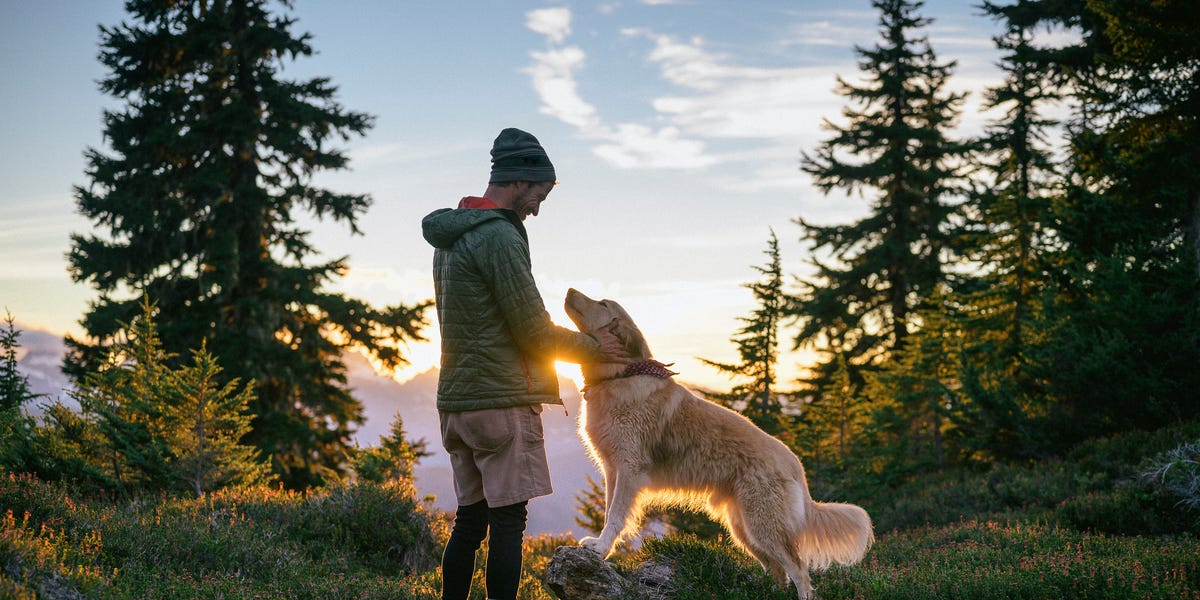

If your idea of a perfect Saturday includes trail dust on your shoes, pine needles in your socks, and a dog grinning like they just discovered the meaning of life, you are in excellent company. Hiking with a dog can turn a good walk into a full-blown adventure. The right canine partner keeps pace, handles changing terrain, stays eager for the next switchback, and somehow still has energy left when you are quietly questioning your life choices halfway up the hill.
That said, not every dog is built for long miles, steep grades, or warm-weather treks. The best hiking dog breeds tend to come from working, sporting, or herding backgrounds. They usually have stamina, trainability, athletic structure, and the kind of attitude that says, “Absolutely, let’s keep going,” even when you are bargaining with yourself over one more mile.
Breed is not everything, of course. Individual health, age, conditioning, coat type, and personality matter just as much. A well-trained mixed breed may out-hike a purebred couch potato every day of the week. Still, if you are looking for a dog that is especially well-suited to trail life, these eight breeds consistently stand out.
What Makes a Great Hiking Dog?
Before we get into the list, it helps to know what separates a true trail buddy from a dog who would rather file a formal complaint at mile two. In general, the best hiking companions have:
- Endurance: They can handle steady exercise without flaming out early.
- Trainability: Good recall, leash manners, and responsiveness matter on busy or wildlife-heavy trails.
- Agility: Uneven ground, rocks, roots, and creek crossings require balance and confidence.
- Weather tolerance: Some breeds do better in heat, some in cold, and some strongly prefer central air.
- Temperament: A social but focused dog is easier to manage around other hikers, dogs, and distractions.
Now let’s meet the dogs most likely to look at a trailhead sign and think, “Yes. This is my office.”
1. Labrador Retriever
The Labrador Retriever is one of America’s favorite dogs for good reason. Labs are friendly, athletic, eager to please, and generally enthusiastic about anything that involves movement, mud, or water. In other words, they are basically nature interns with boundless optimism.
Why Labs are great hiking companions
Labs were developed as working retrievers, and that background shows. They have the stamina for moderate to long hikes, the intelligence to learn trail etiquette quickly, and the sociable temperament many hikers want in a family dog. They also tend to enjoy water, which is a nice bonus if your favorite hikes include lakes, streams, or splash-worthy creek crossings.
They are especially good for people who want a hiking dog that is athletic without being too complicated. A Labrador often brings the ideal mix of energy, steadiness, and “sure, I’ll carry that stick for the next three miles if it makes you happy.”
Best for
Families, beginner hikers, and outdoor lovers who want a versatile dog that can handle trails, swimming, road trips, and couch naps with equal enthusiasm.
2. Australian Shepherd
The Australian Shepherd is smart, agile, and famously energetic. This breed was developed for hard work, and it shows up on the trail like a straight-A student who also captains the soccer team.
Why Aussies shine outdoors
Aussies are strong, nimble, and quick to learn. They tend to thrive when they have both physical exercise and mental engagement, which makes hiking a particularly good fit. A trail gives them movement, changing scenery, new scents, and a job to do: stay with their people and keep the adventure rolling.
They are especially good on varied terrain because they combine stamina with coordination. They can handle long walks, moderate climbs, and changing trail conditions well when properly conditioned.
Best for
Experienced or highly active owners who enjoy frequent outdoor time and do not want a dog that treats exercise like a casual suggestion.
3. Border Collie
If hiking were an academic subject, the Border Collie would sit in the front row, finish the assignment early, and ask for extra credit. Border Collies are bright, athletic, and intensely responsive.
Why Border Collies excel on trails
These dogs are built for movement and problem-solving. They are fast, balanced, and highly aware of their surroundings, which can make them excellent companions on technical trails when they are well trained. Border Collies also tend to be very handler-focused, which helps with responsiveness on the move.
The catch is that they need more than just occasional weekend outings. A Border Collie usually wants a lifestyle, not a hobby. If they are under-exercised or under-stimulated, they may invent their own projects, and those projects are rarely as charming as they seem in their own heads.
Best for
Active owners who want a highly trainable, driven dog and are ready to meet serious physical and mental exercise needs.
4. German Shorthaired Pointer
The German Shorthaired Pointer, or GSP, is a classic choice for serious outdoor people. This breed is athletic, enthusiastic, and built for long hours of vigorous activity. If your idea of “a nice little hike” accidentally turns into nine miles and a scenic detour, the GSP will likely call that a warm-up.
Why GSPs make outstanding hiking dogs
GSPs were developed as versatile hunting dogs, so endurance and work ethic are part of the package. They are lean, strong, and usually eager to go. Their short coat is practical for many conditions, and they often have the stamina for long hikes, trail runs, and all-day outdoor outings.
They also tend to be affectionate and people-oriented, which helps them bond closely with active owners. The main challenge is energy level. A bored GSP is a creative GSP, and that can get entertaining in exactly the wrong way.
Best for
Runners, hikers, hunters, and outdoorsy households that want a dog capable of real distance and daily activity.
5. Siberian Husky
The Siberian Husky is famous for endurance, and for good reason. This breed was developed to pull light loads over long distances in cold conditions. Translation: if the weather is cool and the miles are many, the Husky would like to submit its résumé immediately.
Why Huskies belong on this list
Huskies are hardy, energetic, and built to keep moving. They often do very well on long hikes in cooler climates and can be excellent companions for people who love brisk mountain air, snow-dusted trails, and adventures that make your water bottle freeze a little.
But this breed comes with important caveats. Huskies are not ideal for hot-weather hiking, and many are not trustworthy off leash because of their independence and roaming instincts. They are wonderful trail dogs when you respect who they are, not when you try to turn them into a dog who ignores every squirrel and dramatic breeze.
Best for
Cool-weather hikers, snowy-climate adventurers, and owners who understand the breed’s independence and leash needs.
6. Vizsla
The Vizsla is sleek, agile, affectionate, and seriously athletic. This breed often gets described as a “Velcro dog,” which means your hiking companion may be wonderfully devoted and approximately four inches from your leg at all times.
Why Vizslas are natural trail partners
Vizslas were bred to work in the field and are known for energy, drive, and endurance. They move beautifully, cover ground efficiently, and often love staying in close contact with their people. For hikers who want an affectionate dog that can handle real activity, the Vizsla is a standout.
Because they are sensitive and people-focused, they usually respond best to positive training. Harsh handling tends to backfire. Treat them like a smart teammate, and they will often rise to the occasion.
Best for
Active owners who want a graceful, high-energy dog with stamina and a strong bond to its humans.
7. Australian Cattle Dog
The Australian Cattle Dog is compact, muscular, resilient, and famously hardworking. This breed looks like it was designed by someone who wanted maximum determination in a practical-size package.
Why Australian Cattle Dogs are tough trail companions
Australian Cattle Dogs were bred for endurance and demanding work. They are agile, durable, and often exceptionally sure-footed. Their size can be a major advantage too. They are substantial enough for rough terrain without being so large that every steep ascent starts to feel like a moving furniture project.
They are also deeply intelligent, which is both a blessing and a warning label. These dogs need engagement, boundaries, and consistent training. In the right home, though, they can be phenomenal hiking companions with serious grit.
Best for
Experienced dog owners who want a compact powerhouse for frequent outdoor activity and structured training.
8. Bernese Mountain Dog
The Bernese Mountain Dog proves that a hiking companion does not always have to look like a canine marathoner. Berners are big, strong, affectionate, and built for work, especially in cooler weather.
Why Berners can be wonderful hiking partners
These dogs have strength, steady temperaments, and a willingness to be with their people. They are often excellent on moderate hikes in cool climates and can be ideal for hikers who want a larger, calmer dog that still enjoys getting out and covering ground.
The big caution here is heat. Their heavy coat and larger build mean they are not good candidates for hot-weather hikes or punishing summer mileage. Think alpine mornings, not blazing noon switchbacks. When conditions suit them, however, Berners can be delightfully dependable companions.
Best for
Cool-weather hikers and families who want a gentle giant for scenic, moderate adventures rather than fast, high-heat endurance outings.
How to Choose the Right Hiking Dog for Your Lifestyle
The best hiking dog is not always the most athletic breed on paper. It is the one that fits your actual life. Ask yourself:
- Do you hike in heat, cold, or mixed weather?
- Are your hikes usually short and frequent or long and demanding?
- Do you want a dog that is easygoing, or one that needs a daily mission briefing?
- Can you provide training, conditioning, and recovery time between adventures?
- Will your dog also need to fit into family life, apartment living, or social settings off the trail?
Also remember that age and health are huge factors. Puppies should not be pushed into long-distance hiking before their joints are ready. Senior dogs may still love the trail, but often do better on shorter outings with gentler grades. Flat-faced breeds and dogs with breathing or orthopedic issues need special caution, especially in warm weather.
Trail Safety Rules That Matter More Than Breed
Even the best hiking dog still needs good management. Breed can give you an edge, but trail safety is what keeps the day from turning into a cautionary tale shared at the vet.
1. Bring enough water for both of you
Dogs can overheat faster than many people realize. Pack plenty of water and a collapsible bowl, and take regular breaks. On warm days, early morning hikes are your friend. Midday sun is not trying to help either of you.
2. Watch paws and terrain
Sharp rock, hot ground, ice, and rough surfaces can injure paw pads. Some dogs benefit from boots or paw balm, especially on long or rugged hikes.
3. Respect leash rules
Many trails and parks require dogs to stay on a leash, often six feet or shorter. Even where dogs are allowed, access may be limited to certain trails or developed areas. Always check park rules before you go.
4. Do a tick check after every hike
Ticks do not care how cute your dog is. Check your dog, your gear, and yourself after hiking, especially in grassy or wooded areas. Stay current on parasite prevention too.
5. Build fitness gradually
Do not take a dog from backyard zoomies to all-day summit attempts in one leap. Increase distance, elevation, and difficulty over time so muscles, joints, and paw pads can adapt.
What Hiking With These Dogs Actually Feels Like
There is a big difference between reading about hiking dogs and actually sharing a trail with one. On paper, all eight of these breeds sound impressive. In real life, each one brings its own style to the adventure.
A Labrador tends to hike like your most cheerful friend, the one who packs snacks, talks to strangers, and somehow finds every patch of water within a three-mile radius. Labs often make the trail feel welcoming and easy. They are game for the climb, thrilled by the stream crossing, and deeply convinced that the muddy route was the correct route all along.
An Australian Shepherd brings more focus. Hiking with an Aussie can feel like traveling with a tiny wilderness manager. They notice everything. They check in often, move with purpose, and seem personally invested in keeping the group organized. If the trail forks, they may look at you like they would like a quick meeting before proceeding.
Border Collies often make hikes feel faster and more intense. They are so alert and responsive that you can practically feel their brains humming. The upside is amazing engagement. The downside is that they may be more aware of joggers, bikes, and squirrels than you are, so training matters. A well-trained Border Collie feels like an athletic teammate. An under-trained one feels like caffeine with fur.
The German Shorthaired Pointer usually hikes with glorious enthusiasm. These dogs often move like they were born in a permanent state of “let’s go.” They are among the breeds most likely to make you realize that your idea of being active and a hunting dog’s idea of being active are not remotely the same thing. Still, when properly trained, their spirit is infectious.
Huskies turn a hike into an expedition. In cool weather, they can look almost suspiciously comfortable, as if they were built in a lab for alpine switchbacks and snowy overlooks. But they also remind you that beauty and independence often travel together. A Husky may love you deeply while still acting like some of your suggestions are optional.
Vizslas bring heart to the trail. They often stay close, move elegantly, and seem happiest when adventure happens as a team sport. Hiking with a Vizsla can feel wonderfully connected. They are the kind of dog that makes a ridge-line pause feel oddly cinematic.
Australian Cattle Dogs hike like durable professionals. They do not usually waste motion, and they often handle rough ground with impressive confidence. There is something satisfying about watching a compact, tough dog move over uneven trail with total commitment. They can be intense, yes, but rarely boring.
Then there is the Bernese Mountain Dog, who brings a slower, steadier joy. A Berner may not float uphill like a lighter sporting breed, but on the right day in the right weather, hiking with one feels calm, grounded, and deeply companionable. It is less “speed mission” and more “let’s enjoy this mountain like civilized creatures.”
That is really the magic of hiking with dogs. The miles matter, but the personality matters more. The best hiking companion is not just the dog that can finish the trail. It is the one that makes the trail more fun to remember afterward.
Final Thoughts
The best dog breeds for hiking combine stamina, athleticism, trainability, and a genuine love of movement. Labrador Retrievers, Australian Shepherds, Border Collies, German Shorthaired Pointers, Siberian Huskies, Vizslas, Australian Cattle Dogs, and Bernese Mountain Dogs all bring something special to the trail.
Still, the smartest choice is always the dog that fits your climate, experience level, and daily routine. A great hiking dog is not just built for adventure. It is also well-trained, properly conditioned, and happy living the life you can actually provide. Choose wisely, train consistently, pack the water, and accept that your dog may still find a mud puddle within the first ten minutes. Some traditions are bigger than us.
SEO Tags