
Important note: This article uses the phrase “dispose of a corpse” in the legal, funeral-planning sense: what can happen to human remains after death through lawful, respectful, documented choices. It is not about crime, concealment, or anything remotely “true crime tutorial.” Think less “secret basement” and more “funeral director with a clipboard, a permit, and surprisingly strong coffee.”
For most of modern American history, end-of-life choices seemed fairly simple: burial, cremation, or awkwardly avoiding the topic until someone else had to choose. Today, families have far more options. Some are ancient, some are high-tech, some are eco-friendly, and some sound like they were invented during a late-night brainstorming session between a funeral director, a marine biologist, and a sci-fi fan.
Below are ten unusual but real ways people may choose to handle human remains. Laws vary by state, city, cemetery, and provider, so every option should be discussed with a licensed funeral professional or the appropriate government agency before anyone starts making big plans. Death care is meaningful, regulated, and deeply personaleven when it gets a little weird.
1. Water Cremation, Also Called Alkaline Hydrolysis
Water cremation sounds like a contradiction, as if someone put “spa day” and “final disposition” into the same sentence and hoped nobody would ask follow-up questions. Officially known as alkaline hydrolysis, it is an alternative to flame cremation that uses a controlled professional process to reduce remains, leaving bone material that can be returned to the family in a form similar to cremated ashes.
Families who choose this method often like that it feels gentler than flame cremation and may have a smaller environmental footprint. It is sometimes called aquamation, flameless cremation, or resomation. Those names sound like a wellness trend, a superhero power, and a software update, respectively, but they all refer to the same general category.
The catch? It is not available everywhere. State laws differ, and even in states where it is legal, providers may be limited. For SEO purposes, related terms include water cremation, aquamation, flameless cremation, and eco-friendly funeral options.
2. Human Composting, Also Called Natural Organic Reduction
Natural organic reduction is one of the most talked-about modern funeral alternatives. In plain English, it allows human remains to be transformed into soil-like material through a carefully managed process involving organic materials and time. Families may then use or donate the resulting soil according to state rules and provider policies.
Yes, “human composting” sounds like something your eco-conscious uncle would mention at Thanksgiving right before everyone suddenly remembers they need more mashed potatoes. But for many people, the idea is beautiful: returning to the earth in a direct, life-supporting way.
This option appeals to people who care about sustainability, land conservation, and symbolic renewal. It is also highly regulated and not legal in every state. Anyone interested in natural organic reduction should check current state law, provider licensing, and rules about where the resulting soil may go.
3. Green Burial in a Natural Cemetery
Green burial is not new; in many ways, it is a return to older burial traditions. Instead of embalming, metal caskets, concrete vaults, and highly manicured cemetery design, green burial focuses on simplicity, biodegradability, and lower environmental impact.
A person may be buried in a plain wood casket, wicker container, or burial shroud, depending on cemetery rules. Natural burial grounds often avoid harsh chemicals and prioritize native plants, habitat protection, and land stewardship. It is less “polished marble monument” and more “quiet meadow with purpose.”
Green burial can feel strange to people used to conventional funeral practices, but it is one of the most grounded choices on this list. The weirdness is mostly cultural: modern Americans have become so used to polished funeral rituals that a simpler approach can feel surprisingly radical.
4. A Mushroom Burial Suit or Biodegradable “Living” Coffin
Few phrases stop a dinner conversation faster than “mushroom burial suit.” The concept is simple enough: use biodegradable materials, sometimes involving fungi-related design, to support natural decomposition in an environmentally mindful way. Some products are marketed as mushroom suits, living coffins, or biodegradable burial containers.
The idea has captured the public imagination because it gives death an almost storybook quality: the body returns to nature, fungi do their quiet forest work, and the funeral feels less industrial. Of course, product claims should be checked carefully. “Eco-friendly” can be a meaningful standard, but it can also be slapped onto marketing copy like parsley on a diner plate.
Families considering this route should ask whether the cemetery allows the product, whether it meets green burial standards, and whether the claims are backed by real certification or transparent materials information.
5. Becoming Part of a Memorial Reef
For ocean lovers, a memorial reef may be one of the most poetic options. Cremated remains can be incorporated into a reef structure placed in the ocean, where it may support marine habitat and become part of an underwater memorial site.
This is not the same as casually tossing ashes into the sea during a windy beach picnic, which is a great way to create an emotional moment and a terrible way to control direction. Memorial reef providers typically handle logistics, permits, placement, and family ceremonies.
What makes it weird? Most people imagine a grave as a patch of land, not a structure visited by fish. But for families connected to diving, boating, surfing, coastal living, or marine conservation, the idea can feel deeply fitting. It turns remembrance into something ecological and place-based.
6. Burial at Sea
Burial at sea has a long history, especially among sailors, military families, and people with a lifelong bond to the ocean. In the United States, sea burial is regulated, and rules differ depending on whether remains are cremated or not. The Environmental Protection Agency requires certain reporting and location standards for ocean burial.
For families, the appeal is often emotional. The ocean can represent freedom, continuity, mystery, or home. It is also one of the few funeral choices where weather, waves, and seasickness may become part of the planning spreadsheet. Nothing says “final farewell” quite like someone asking, “Did anyone bring ginger candy?”
Burial at sea should always be arranged through proper legal channels. Families may need to coordinate with a licensed provider, boat operator, or agency guidance. Done correctly, it can be solemn, elegant, and unforgettable.
7. Sending Ashes Into Space
Space memorials are exactly what they sound like: a small portion of cremated remains is launched into space or near-space through a specialized memorial service. Some flights enter Earth orbit, some travel on suborbital missions, and some are connected to larger commercial or scientific launches.
This option is perfect for someone who spent life staring at the stars, reading science fiction, or explaining orbital mechanics at parties where nobody asked. It is also not usually a full-body disposition method. Typically, only a symbolic portion of ashes is sent, while the rest remains with the family or is handled another way.
Space memorials are unusual, expensive, and highly dependent on launch schedules. Still, they offer a striking idea: a final tribute that turns “rest in peace” into “rest in low Earth orbit.”
8. Donating the Body to Science
Whole-body donation is one of the most practical and generous options on this list. Donated bodies may help train medical students, support surgical education, or advance research. Many future doctors first learn anatomy through the gift of donors who chose to teach after death.
It may sound strange at first. People are often more comfortable talking about donating old clothes than donating their body to science. But the impact can be enormous. A donor may help hundreds of students better understand the human body, practice respectful care, and prepare for real patients.
Programs have strict eligibility rules. Registration in advance is usually helpful, but acceptance may depend on health conditions, timing, location, and program needs. Families should work only with reputable medical schools, universities, or accredited donation organizations.
9. Organ, Eye, and Tissue Donation
Organ and tissue donation is less “weird” than heroic, but it belongs here because it changes the idea of final disposition. Instead of one single funeral outcome, donation may allow parts of a person’s body to help others live, heal, see, move, or recover.
Deceased donation happens only after death has been declared by medical professionals. Not everyone is eligible for organ donation, and tissue donation has its own timing and medical standards. Still, registering as a donor and telling family members your wishes can make a real difference.
The experience can be powerful for loved ones. In the middle of loss, donation may offer a sense of purpose. It does not erase griefnothing doesbut it can give families a story of generosity to hold onto.
10. Turning Cremated Remains Into Keepsakes, Art, or Memorial Objects
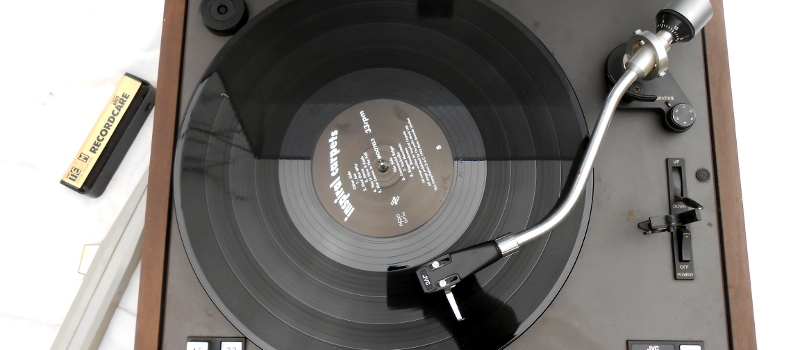
Cremated remains can be transformed or incorporated into many memorial objects: glass art, jewelry, vinyl records, paintings, hourglasses, tattoo ink, or lab-created memorial diamonds. Some families keep a small portion of ashes in a pendant; others create a display piece that looks more like modern art than a traditional urn.
This is where personal taste matters. One person may think, “A diamond made from ashes is beautiful.” Another may think, “Please just put me in a tasteful container and do not turn me into accessories.” Both reactions are valid. Death care is personal, and memorial objects should reflect the wishes of the person who died and the comfort level of the people left behind.
Families should research providers carefully, understand costs, ask what portion of remains is used, and get clear documentation. A meaningful keepsake should bring comfort, not confusion, surprise fees, or awkward questions from future houseguests.
Why These Weird Funeral Options Are Becoming More Popular
Environmental concerns are changing funeral planning
Many families are asking what happens not only emotionally, but environmentally. Conventional burial may involve embalming chemicals, caskets, vaults, land use, and long-term cemetery maintenance. Flame cremation uses energy and creates emissions. That does not make traditional options wrong, but it does explain why greener alternatives are gaining attention.
Personal identity matters more than ever
People increasingly want funerals that reflect who they were. A sailor may prefer the sea. A gardener may love human composting. A science teacher may choose body donation. A stargazer may want a symbolic trip beyond Earth. The modern funeral is becoming less one-size-fits-all and more one-final-signature-move.
Families want meaning, not just procedure
When a loved one dies, paperwork and logistics can feel cold. Unusual memorial choices can help families create a story around the goodbye. That story may be ecological, spiritual, scientific, adventurous, or artistic. The best option is not the weirdest one; it is the one that feels honest.
Practical Questions Before Choosing an Unusual Body Disposition Option
Is it legal in your state?
Death-care laws vary widely. Natural organic reduction, alkaline hydrolysis, and certain scattering practices may be legal in one state and unavailable in another. Always check current law and provider licensing.
Is the provider reputable?
Ask direct questions. What exactly happens? What paperwork is required? What costs are included? Are there permits, transportation fees, or third-party charges? The Federal Trade Commission’s Funeral Rule gives consumers important price-related rights when dealing with funeral homes, so itemized pricing matters.
Would the person have wanted this?
“Weird” is fun for a headline, but the real question is dignity. A memorial reef may be perfect for one person and completely wrong for another. The best funeral choice respects values, faith, culture, budget, and family needs.
Experience-Based Reflections: What Families Often Learn From Weird Funeral Choices
When families explore unusual funeral options, the first experience is often surprise. Many people do not realize how many choices exist until they are sitting at a kitchen table with a laptop open, typing phrases like “can ashes become a tree?” or “legal human composting near me.” The search can feel strange, but it can also be comforting. Options give people a sense of participation at a time when grief can make everything feel out of control.
One common experience is the shift from discomfort to curiosity. At first, a phrase like water cremation or memorial reef may sound too unusual. But once families understand the symbolism, the idea can soften. A daughter whose father loved the ocean may find peace in a reef memorial. A family of hikers may feel that green burial in a natural cemetery matches a loved one’s life better than a polished indoor service. The “weird” option becomes less weird when it connects to a real personality.
Another experience is discovering that practical details matter as much as emotion. Families may love the idea of scattering ashes in a national park, then learn that permits and location rules apply. They may want human composting, then discover it is not yet legal nearby. They may consider body donation, then learn that programs have acceptance criteria and backup funeral plans are still needed. This is why planning ahead is a gift. It prevents loved ones from having to become part-time legal researchers while grieving.
Cost can also surprise people. Some unconventional options are affordable compared with traditional funerals, while others are premium memorial services. A simple green burial may be relatively modest, but a space memorial or custom diamond can be expensive. Families often learn to separate emotional value from marketing sparkle. The most meaningful tribute is not always the most dramatic one. Sometimes it is a handwritten letter, a small ceremony, and a choice that feels true.
Conversations are another major part of the experience. Talking about death can be awkward, especially in families where the subject usually gets buried under jokes, silence, or sudden interest in changing the TV channel. Yet these discussions can become surprisingly warm. Asking “Would you rather be buried, cremated, turned into soil, or launched into space?” may sound ridiculous, but it opens the door to values: nature, faith, humor, legacy, science, simplicity, adventure.
The biggest lesson is that death care is not only about remains. It is about memory. A body disposition choice becomes a final message: I loved the sea. I cared about the planet. I believed in science. I wanted to help someone. I wanted my family to laugh a little, even while crying. Weird funeral options work best when they are not chosen for shock value, but for meaning. In the end, the goal is not to be strange. The goal is to be remembered honestly.
Conclusion
The top weird ways to dispose of a corpselegally and respectfullyshow how much funeral culture is changing. From water cremation and human composting to memorial reefs, space launches, green burial, and body donation, families now have more ways to create a farewell that reflects personality, values, and legacy.
The golden rule is simple: weird is fine; unlawful is not. Every option should be handled through licensed professionals, current regulations, and clear family communication. Done right, an unusual funeral choice can be thoughtful, eco-conscious, memorable, and even a little funny in the way only humans can be when facing the most serious subject of all.