
In a city where restaurants can look like design museums, wine bars can feel like philosophy clubs, and dinner sometimes arrives with tweezers, smoke, and a tiny edible leaf that appears to have attended art school, Paté Paté in Copenhagen’s Meatpacking District offers something refreshingly grounded: excellent food, great wine, relaxed energy, and the kind of room that makes you want to stay for “just one more glass.” Famous last words, of course.
Located in Vesterbro’s iconic Kødbyen, Copenhagen’s Meatpacking District, Paté Paté is more than a restaurant. It is a wine bar, tapas-style eatery, neighborhood classic, and social landing pad for travelers and locals who want Copenhagen flavor without the stiffness of fine dining. The setting is industrial, the menu is generous, the wine list is serious, and the mood is casual enough that you can arrive hungry rather than rehearsed.
For visitors exploring Copenhagen restaurants, Paté Paté sits in that lovely middle ground between “special night out” and “I could become a regular here if I accidentally moved to Denmark.” It feels stylish without trying too hard, historic without being dusty, and lively without needing a disco ball to prove it has a pulse.
What Is Paté Paté?
Paté Paté is one of the oldest restaurants in Copenhagen’s Meatpacking District and is widely known as a neighborhood institution for food and wine. Its name is not just cute repetition for branding purposes, although let’s admit it: saying “Paté Paté” twice does make you sound slightly more sophisticated. The restaurant is housed in a former paté factory, which gives the name a real connection to the building’s past.
Today, Paté Paté presents itself as a casual dining restaurant with the soul of a wine bar and the appetite of a Mediterranean bistro. It brings together Southern French cooking, Spanish inspiration, North African spices, and seasonal local ingredients. The result is food that is flavorful, shareable, and comfortable without being boring.
The restaurant is located at Slagterboderne 1 in Copenhagen V, right in the heart of Kødbyen. This is not the postcard Copenhagen of pastel harbors and carefully posed bicycles. This is Copenhagen with a bit of grit: former meat halls, white industrial buildings, creative studios, restaurants, bars, galleries, and late-night energy all folded into one walkable district.
Why the Meatpacking District Matters
Copenhagen’s Meatpacking District, known locally as Kødbyen, is one of the city’s most fascinating neighborhoods because it still carries its industrial bones. The area developed over decades as a center for meat production and distribution, with sections commonly known as the Brown, Grey, and White Meatpacking Districts. Some buildings date back to the late 19th century, while the White Meatpacking District opened in the 1930s with functionalist architecture designed for modern food production.
What makes Kødbyen special is that it never became a completely polished lifestyle theme park. Food companies still operate in parts of the district, while restaurants, bars, art spaces, and creative businesses have moved into the old industrial framework. That mix gives the neighborhood an authenticity that newer “cool districts” often try very hard to manufacture and usually end up over-seasoning.
For diners, this means Paté Paté is not floating alone as a trendy destination. It is part of a larger Copenhagen food scene where old butcher shops, warehouses, and workspaces have been transformed into places for seafood, natural wine, craft beer, tacos, nightlife, and modern Nordic cooking. The Meatpacking District is one of the best areas in Copenhagen for travelers who want dinner to become an evening rather than a simple transaction involving plates and credit cards.
The Atmosphere: Industrial, Cozy, and Very Copenhagen
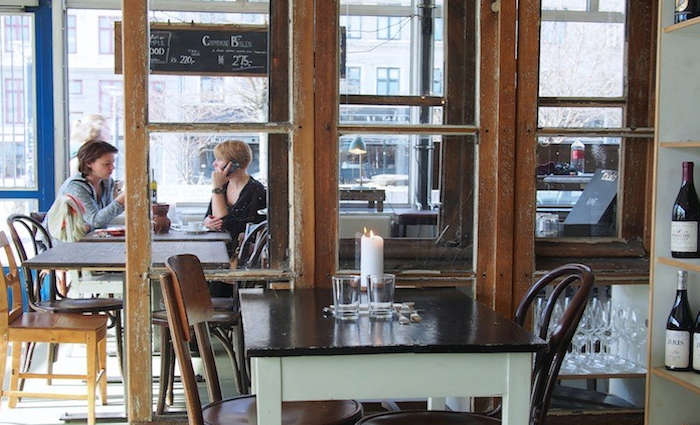
Paté Paté’s atmosphere is a major reason people remember it. The room is raw and spacious, with the kind of industrial character that does not need fake exposed brick because the building already did the hard work. The central bar helps anchor the space, while the overall mood leans warm, busy, and informal.
Expect a lived-in look rather than a showroom. Wooden furniture, candlelight, wine bottles, blackboards, and a lively room create a setting that feels both stylish and approachable. It is the sort of place where you can imagine a first date, a birthday dinner, a long lunch, a wine-fueled reunion, or a traveler sitting at the bar pretending to understand Danish menu jokes. No judgment. We have all nodded confidently at a foreign menu and hoped cheese was involved.
On weekends, the restaurant often turns up the energy with music and a more festive atmosphere. This is not silent, white-tablecloth dining. Paté Paté is better suited to people who enjoy the sound of conversation, clinking glasses, and a room that feels alive. If you want your dinner to feel like a library with sauces, this may not be your temple. If you want warmth, motion, and wine, you are in the right neighborhood.
The Food: Southern France Meets Spain, North Africa, and Copenhagen
The menu at Paté Paté is built around comfort, flavor, and sharing. The restaurant’s culinary identity draws from the Southern French kitchen, Spanish-style eating, North African spice profiles, and local Danish ingredients. That combination creates dishes that feel both familiar and a little adventurous.
Rather than presenting food as a museum exhibit, Paté Paté leans into generosity. The dishes are often designed to be shared, making it a strong choice for groups. You can build a meal from smaller plates, tapas-style dishes, vegetables, seafood, meat, bread, sauces, and wine pairings. It is a flexible way to eat, especially if your group includes one person who wants fish, one who wants steak, one who wants vegetables, and one who claims they are “not that hungry” before eating half the table’s fries.
What Kind of Dishes Should You Expect?
Menus can change with the season, which is part of the restaurant’s appeal. Visitors have commonly associated Paté Paté with dishes such as steak tartare, fish with classic sauces, burrata, shakshuka-style plates, charcuterie, bistro-style mains, and vegetable dishes with Mediterranean influence. The exact lineup may shift, but the core idea remains consistent: flavorful food that works well with wine and conversation.
The Southern French influence shows up in richness, sauces, herbs, and a bistro sensibility. The Spanish side appears in the shareable format and tapas mood. The North African touch brings warmth through spices rather than loud gimmicks. Local ingredients keep the restaurant connected to Copenhagen rather than turning it into a generic Mediterranean postcard.
This balance is important. Copenhagen has no shortage of refined restaurants, but Paté Paté succeeds by not pretending every plate needs a manifesto. The food is thoughtful, but it still remembers that dinner should taste good before it tries to win a debate.
The Wine: A Serious Reason to Visit
Paté Paté is especially attractive for wine lovers. The restaurant has deep ties to Copenhagen’s wine culture and is known for an extensive wine list. It functions not only as a place to eat but also as a destination for people who care about what is in the glass.
The wine program gives diners room to explore. You can enjoy a casual glass, settle into a bottle, or ask for help matching wine with your meal. This is one of the benefits of dining somewhere that treats wine as a central part of the experience rather than an afterthought hiding at the back of the menu like a shy intern.
For travelers, Paté Paté is a useful introduction to Copenhagen’s relaxed wine-bar culture. The city has a strong appetite for natural wine, European producers, and thoughtful pairings, but it also tends to avoid excessive formality. At Paté Paté, the wine is taken seriously, but the guest does not have to perform seriousness in return. You can ask questions. You can try something new. You can admit you like a wine because it “tastes happy.” The sommelier will survive.
Who Should Eat at Paté Paté?
Paté Paté works for several types of diners, which helps explain its staying power in a competitive Copenhagen restaurant scene. It is a strong choice for travelers who want a restaurant with history, neighborhood character, and reliable food. It also suits locals looking for a comfortable dinner with friends, colleagues, or family.
Go If You Like Lively, Casual Restaurants
This is not the place for a stiff, silent meal. Paté Paté is best for people who enjoy restaurants with personality. The room can be busy, the tables can feel social, and the atmosphere is often animated. That liveliness is part of the charm.
Go If You Like Sharing Plates
Because many dishes are easy to share, Paté Paté is ideal for groups. Ordering several plates allows you to sample more of the menu and turn dinner into a slow, communal experience. This is especially useful if you are traveling and want to taste a range of flavors without committing to one giant plate and then staring jealously at everyone else’s dinner.
Go If Wine Is Part of Your Travel Plan
Some people visit Copenhagen for design. Some visit for cycling culture. Some visit for pastries. Sensible people visit for all three and then add wine. Paté Paté belongs on the list for anyone who enjoys a long meal built around good bottles, relaxed service, and a room that makes wine feel social rather than ceremonial.
How Paté Paté Fits Into Copenhagen’s Food Scene
Copenhagen is famous for New Nordic cuisine, world-class tasting menus, and restaurants that have shaped global dining. But the city’s food scene is much broader than fine dining. Its best everyday restaurants often combine seasonality, international influences, informal service, and strong beverage programs.
Paté Paté fits this broader identity beautifully. It is not trying to be Noma, and that is a good thing. It offers a different kind of Copenhagen experience: less choreographed, more spontaneous, and easier to enjoy on a regular evening. The food still reflects quality and creativity, but the format is approachable.
In many ways, Paté Paté represents the kind of restaurant that makes a city feel livable. It is the place you recommend when someone asks, “Where can we go that feels local, has great wine, and will not make us whisper for two hours?” It provides atmosphere, reliability, and just enough edge from the Meatpacking District setting to make the evening memorable.
Planning Your Visit
Paté Paté is centrally located in Vesterbro, close enough to Copenhagen Central Station and other major areas to fit easily into a city itinerary. Visitors can combine dinner with a walk through Kødbyen, drinks nearby, or a broader evening in Vesterbro, one of Copenhagen’s most dynamic neighborhoods.
Because Paté Paté is popular, reservations are smart, especially for dinner and weekends. Copenhagen restaurants can fill quickly, and the Meatpacking District becomes especially lively in the evening. If your travel style is “wander in and hope,” you may get lucky at quieter times, but booking ahead is the calmer choice. Your future hungry self will thank you.
Opening hours and menus may change, so it is always best to check the restaurant’s current information before visiting. This is particularly true if you are planning around lunch, late-night drinks, holidays, or special events.
Nearby Things to Do in Copenhagen’s Meatpacking District
One of the pleasures of eating at Paté Paté is that the surrounding district gives you options before and after the meal. Kødbyen is home to restaurants, cocktail bars, galleries, nightlife spots, and casual hangouts. It is compact enough to explore on foot, and its industrial architecture makes it feel distinct from Copenhagen’s more polished central streets.
Before dinner, you can wander through the district and notice how the old food-production buildings have been adapted. After dinner, you might continue with a drink, listen to music, or simply walk back toward Vesterbro’s broader network of cafés and bars. The area is particularly atmospheric at night, when the white industrial buildings, neon signs, restaurant windows, and groups of Copenhageners create a scene that feels urban without being overwhelming.
Is Paté Paté Worth It?
Yes, especially if you want a Copenhagen restaurant that blends history, atmosphere, wine, and generous food. Paté Paté is not just worth visiting because it is old by Meatpacking District standards. It is worth visiting because it still feels relevant. Restaurants do not become local institutions by accident. They survive because people keep returning.
Paté Paté is best appreciated as a full experience: the former paté factory setting, the lively Kødbyen atmosphere, the wine list, the shareable food, and the relaxed service style. It is not about one perfect Instagram plate. It is about the whole evening.
If your ideal Copenhagen meal involves elegant informality, Mediterranean flavors, a good bottle, and a neighborhood with character, Paté Paté deserves a place on your itinerary. Come hungry, bring someone who likes sharing, and do not schedule anything too serious immediately afterward. A good dinner has a way of making plans negotiable.
Conclusion
Paté Paté in Copenhagen’s Meatpacking District captures what many travelers hope to find in a great city restaurant: a real story, a memorable setting, flavorful food, good wine, and a mood that feels both local and welcoming. Its former factory home gives it character, while its Southern French, Spanish, North African, and Danish influences give the menu depth without making it feel complicated.
In a city celebrated for design and dining, Paté Paté stands out by being warm, relaxed, and confident in its own identity. It does not need to shout. The room, the wine, the food, and the neighborhood do the talking. And, luckily, they have excellent table manners.
Extra Experience Section: What It Feels Like to Spend an Evening at Paté Paté
The best way to understand Paté Paté is not just to read the menu but to imagine the rhythm of the visit. You arrive in the Meatpacking District as the evening begins to shift. During the day, Kødbyen can feel spacious and slightly quiet, with its industrial buildings standing like reminders of a more practical Copenhagen. But as dinner approaches, the mood changes. People appear in small groups. Bikes lean against walls. Restaurant windows glow. The district starts to feel like someone turned up the volume on the city by two notches, not enough to annoy the neighbors, just enough to make dinner feel promising.
Walking into Paté Paté, the first impression is usually warmth. Not just temperature, although Copenhagen weather can make that a deeply emotional subject, but social warmth. The space feels lived in. The bar draws the eye. Bottles, blackboards, tables, and movement create a sense that things are already happening and you have arrived at the right time. It is not a room that asks you to admire it from a distance. It invites you to sit down and participate.
A good evening here often begins with wine. Maybe you know exactly what you want. Maybe you have only a vague feeling like “something white, crisp, and capable of improving my personality.” Either way, the wine-bar spirit makes ordering less intimidating. The staff can guide you toward something that works with the meal, and the list gives you enough variety to turn a simple dinner into a small tasting adventure.
Then comes the food, ideally ordered for the table rather than guarded like personal property. Sharing dishes at Paté Paté suits the setting. A plate lands, everyone leans in, someone asks what the sauce is, someone else quietly takes the best-looking piece of bread, and suddenly the meal has become a group project. Unlike most group projects, this one is enjoyable and includes wine.
The flavors tend to match the atmosphere: bold enough to be memorable, relaxed enough to keep the conversation flowing. A fish dish might bring brightness and butter. A tartare might deliver richness and texture. Vegetables may arrive with spice, creaminess, or acidity. Bread becomes important, because in a place like this, sauces should not be abandoned. Leaving good sauce on a plate is not technically illegal, but one suspects Denmark has considered legislation.
What makes the experience special is how naturally it stretches. You may plan a quick dinner and then discover that Paté Paté is better suited to lingering. The room encourages it. The district encourages it. The wine certainly campaigns for it. As the evening deepens, the restaurant can feel more animated, especially on Fridays and Saturdays when the music and social energy rise. It becomes less of a meal and more of a Copenhagen evening in progress.
For travelers, this is valuable because it offers a version of the city that feels authentic without requiring insider status. You do not need to know the chef, speak Danish, or understand the full cultural history of Vesterbro to enjoy it. You simply need curiosity, appetite, and enough flexibility to let dinner unfold at its own pace.
Leaving Paté Paté, you step back into Kødbyen with that pleasant post-dinner confidence that comes from being well fed in a good neighborhood. Maybe you continue to another bar. Maybe you walk toward your hotel. Maybe you decide Copenhagen is dangerously good at making everyday pleasures feel stylish. Whatever happens next, Paté Paté tends to leave the impression of a restaurant that knows exactly what it is: generous, lively, wine-loving, flavorful, and very much at home in the Meatpacking District.