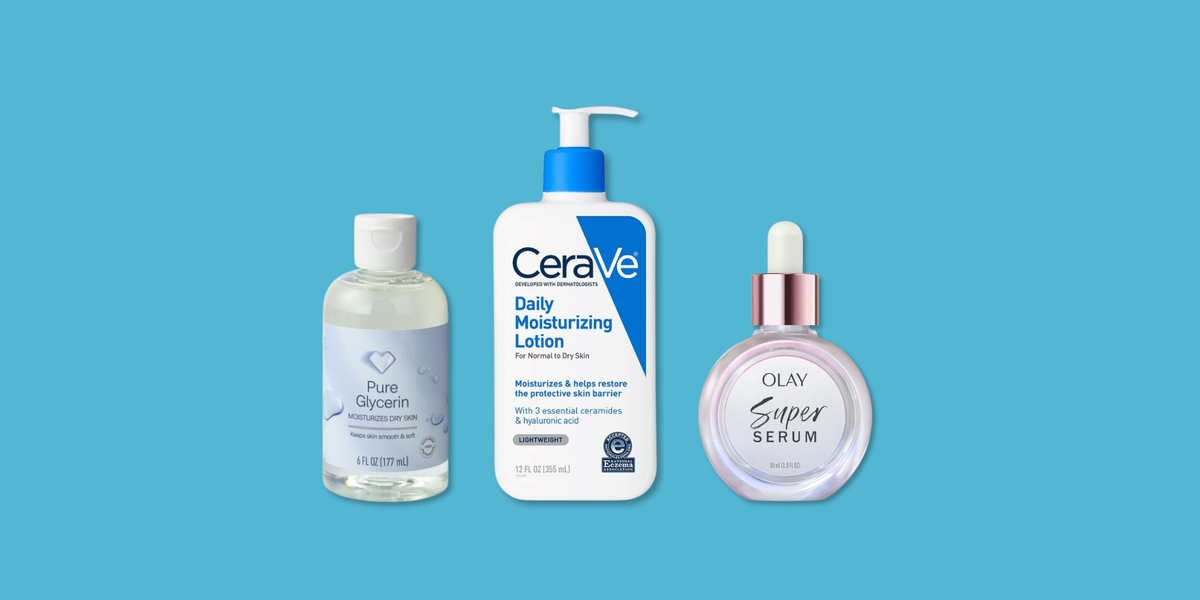

Glycerin may not have the red-carpet fame of retinol, vitamin C, or hyaluronic acid, but in the skin-care world, it is the reliable friend who always brings snacks, remembers your birthday, and quietly saves the day. This clear, odorless, syrupy ingredient is found in cleansers, moisturizers, body lotions, hand creams, serums, masks, lip balms, and even some soaps. Why? Because glycerin is one of the most useful humectants in skin care, meaning it helps attract and hold water in the skin’s outer layer.
For anyone dealing with dry skin, tightness, flaking, a damaged skin barrier, rough elbows, cracked hands, or that uncomfortable “my face feels two sizes too small” sensation after washing, glycerin can be a simple but powerful ingredient. It is widely used because it is effective, affordable, stable, and generally well tolerated by most skin types, including sensitive skin.
Still, glycerin is not magic goo from a fairy dermatologist’s lab. Like any skin-care ingredient, it works best when used correctly, in the right formula, and with realistic expectations. This guide breaks down what glycerin does for the skin, its benefits, possible side effects, how to use it, who should try it, and what real-world use tends to feel like.
What Is Glycerin?
Glycerin, also called glycerol or glycerine, is a colorless and odorless compound that can be derived from vegetable oils, animal fats, or synthetic sources. In cosmetics and personal care products, it is mainly used as a humectant, skin-conditioning agent, solvent, and texture-supporting ingredient.
In plain English, glycerin helps skin hold onto water. Think of it as a moisture magnet. It attracts water from the environment and from deeper layers of the skin toward the outermost layer, known as the stratum corneum. This helps the skin look smoother, feel softer, and function better as a protective barrier.
Glycerin is also naturally present in the skin. That matters because the skin barrier depends on a healthy balance of water, lipids, and natural moisturizing factors. When that balance gets disrupted by harsh cleansers, cold weather, hot showers, over-exfoliation, aging, or certain skin conditions, skin may become dry, rough, itchy, and more easily irritated.
How Glycerin Works on the Skin
To understand why glycerin is so popular, it helps to understand the three basic moisturizer categories: humectants, emollients, and occlusives.
Humectants
Humectants pull water into the skin’s outer layer. Glycerin, hyaluronic acid, urea, aloe vera, and sodium PCA are common examples. Glycerin is one of the most widely used because it is effective, stable, and easy to combine with other ingredients.
Emollients
Emollients help soften and smooth the skin by filling in tiny gaps between dry skin cells. Examples include plant oils, squalane, fatty acids, and certain esters. If humectants bring water to the party, emollients help make the room more comfortable.
Occlusives
Occlusives help reduce water loss by forming a protective layer on the skin. Petrolatum, mineral oil, dimethicone, lanolin, and some waxes fall into this group. Occlusives are especially useful when skin is very dry or exposed to cold, windy, or low-humidity conditions.
Glycerin works beautifully in formulas that include all three categories. On its own, it attracts water. In a well-designed moisturizer, glycerin is supported by ingredients that soften the skin and help seal hydration in place. That is why a glycerin-rich cream often feels more effective than plain glycerin applied straight from a bottle.
Top Benefits of Glycerin for Skin
1. Deeply Hydrates Dry Skin
The most famous benefit of glycerin for skin is hydration. Dry skin often lacks enough water in the outer layer, which can lead to tightness, dullness, rough patches, and flaking. Glycerin helps pull moisture into that layer, making the skin feel more comfortable and look more supple.
This is especially helpful for people who notice dryness after cleansing, during winter, in air-conditioned rooms, or after frequent handwashing. A glycerin-based hand cream, for example, can make a noticeable difference when hands feel dry, papery, or rough.
2. Supports the Skin Barrier
Your skin barrier is like the security guard at the door of a very important club. It helps keep moisture in and irritants out. When the barrier is weakened, skin may become dry, itchy, red, sensitive, or reactive.
Glycerin supports barrier function by improving hydration in the stratum corneum. Well-hydrated skin is generally more flexible and better able to protect itself. This is one reason glycerin is commonly found in products for dry, sensitive, and eczema-prone skin.
3. Helps Skin Feel Smoother and Softer
When the outer skin layer is dehydrated, dead skin cells can lift and create roughness. Glycerin helps soften that dry surface texture. The result is skin that feels smoother to the touch and looks less dull.
This does not mean glycerin exfoliates like glycolic acid or salicylic acid. It is much gentler. Instead of forcing dead cells to shed quickly, glycerin helps improve moisture balance so the skin surface behaves more normally.
4. Can Reduce the Look of Flakiness
Flaky skin is often a sign that the outer layer is thirsty and struggling. By improving hydration, glycerin can help reduce visible flakes over time. It is particularly useful in body lotions, facial moisturizers, and hand creams designed for rough or dry areas.
For best results, apply a glycerin-containing product right after bathing or washing, while the skin is still slightly damp. This gives the humectant more water to work with and helps your moisturizer perform better.
5. Works for Many Skin Types
One of glycerin’s biggest advantages is versatility. It can benefit dry skin, combination skin, sensitive skin, mature skin, and even oily or acne-prone skin when used in a lightweight, non-comedogenic formula.
People with oily skin sometimes avoid moisturizers because they fear shine or clogged pores. However, dehydration and oiliness can happen at the same time. A light gel-cream or lotion with glycerin can hydrate without feeling heavy, especially when paired with ingredients like niacinamide, panthenol, or lightweight silicones.
6. Pairs Well With Other Ingredients
Glycerin is not a diva ingredient. It gets along with almost everyone. It can be used with ceramides, hyaluronic acid, niacinamide, peptides, antioxidants, sunscreen filters, retinoids, and gentle exfoliants.
In fact, glycerin often helps make stronger active ingredients feel more tolerable. For example, a moisturizer containing glycerin may reduce the dryness that sometimes comes with retinoids or exfoliating acids. It does not cancel out those ingredients; it simply helps keep the skin more comfortable.
Possible Side Effects of Glycerin on Skin
Glycerin is generally considered safe and well tolerated in cosmetic products, but side effects are still possible. Skin is personal. What feels heavenly on one person may feel sticky, shiny, or irritating on another.
Stickiness or Tackiness
Because glycerin has a syrup-like texture, products with a high concentration may feel sticky or tacky. This is not dangerous, but it can be annoying, especially under makeup or in humid weather. If your face feels like a glazed donut in a wind tunnel, the formula may simply be too rich for your preference.
Irritation From Undiluted Glycerin
Pure glycerin should usually be diluted or used in a finished cosmetic formula. Applying undiluted glycerin directly to the face may cause stinging, irritation, or an unpleasant heavy film, particularly for sensitive skin. It may also feel uncomfortable in very dry environments if not paired with occlusive ingredients.
Breakouts From the Overall Formula
Glycerin itself is not known as a major pore-clogging ingredient, but a product that contains glycerin can still cause breakouts if the rest of the formula is too heavy for your skin. Oils, waxes, fragrance, or rich butters may be the real problem. Always judge the entire product, not just one ingredient.
Allergic Reaction or Contact Dermatitis
True allergy to glycerin is uncommon, but irritation or contact dermatitis can happen with any skin-care product. Fragrance, preservatives, botanical extracts, or other ingredients in the formula are more likely culprits. If you notice redness, burning, swelling, rash, or itching after using a product, stop using it and consider speaking with a dermatologist.
How to Use Glycerin for Skin
Use Finished Products Instead of DIY Guesswork
The easiest and safest way to use glycerin is through a well-formulated product. Look for glycerin in moisturizers, hydrating serums, gentle cleansers, body lotions, hand creams, and barrier creams. Finished products are designed with the right concentration, texture, pH, and supporting ingredients.
Apply to Slightly Damp Skin
Glycerin works especially well when applied to damp skin. After washing your face, showering, or washing your hands, gently pat the skin so it is not dripping wet, then apply your glycerin-containing product. This helps trap hydration before it evaporates.
Seal It In When Skin Is Very Dry
If your skin is extremely dry, use glycerin with an occlusive or richer cream. For example, after applying a glycerin-based moisturizer, you can layer a small amount of petrolatum or balm on cracked knuckles, elbows, heels, or other stubborn dry spots at night.
Choose the Right Texture for Your Skin Type
Dry skin may prefer creams or balms. Oily or acne-prone skin may prefer lightweight lotions, gels, or gel-creams. Sensitive skin often does best with fragrance-free formulas. Mature skin may benefit from glycerin paired with ceramides, peptides, niacinamide, and sunscreen during the day.
Best Uses of Glycerin in a Skin-Care Routine
Face Moisturizer
Glycerin is excellent in facial moisturizers because it hydrates without needing to be greasy. A basic routine might include a gentle cleanser, glycerin-rich moisturizer, and sunscreen in the morning. At night, the same moisturizer can be used after a treatment serum or retinoid.
Hand Cream
Hands take a beating from soap, sanitizer, water, weather, and daily chores. Glycerin hand creams can help reduce dryness and tightness after washing. Keep a tube near the sink, in a school bag, in a work bag, or beside the bed. Your hands will appreciate the VIP treatment.
Body Lotion
Glycerin body lotions are useful after bathing, especially on the legs, arms, knees, and elbows. Apply within a few minutes after showering to help reduce moisture loss. If your skin gets itchy in winter, switching from a thin lotion to a richer glycerin-based cream may help.
Gentle Cleanser
Some cleansers include glycerin to reduce the drying effect of washing. This is helpful for people whose skin feels tight after cleansing. A glycerin-containing cleanser will not moisturize as deeply as a leave-on cream, but it can make cleansing less harsh.
Lip Care
Glycerin may appear in lip balms and treatments to attract water, while waxes or petrolatum help seal it in. This combination is useful for dry lips, especially when the air is cold or dry.
Who Should Try Glycerin?
Glycerin is a smart ingredient for people with dry skin, dehydrated skin, rough texture, sensitive skin, seasonal dryness, frequent handwashing, or a compromised skin barrier. It can also be helpful for people using acne treatments or anti-aging products that cause dryness.
However, anyone with a severe skin condition, open wounds, persistent rash, painful cracking, signs of infection, or unexplained irritation should seek professional medical advice. Glycerin can support skin comfort, but it is not a replacement for prescription treatment when a real skin disease needs care.
Glycerin vs. Hyaluronic Acid: Which Is Better?
Glycerin and hyaluronic acid are both humectants, but they are not identical. Hyaluronic acid is famous for its plumping effect and elegant feel in serums. Glycerin is often less glamorous, but it is extremely dependable, widely studied, and commonly used in moisturizers.
For many people, the best answer is not “glycerin or hyaluronic acid.” It is “why not both?” A formula that combines humectants with emollients and occlusives can deliver more balanced hydration than a single trendy ingredient used alone.
Common Mistakes When Using Glycerin
Using It Pure and Undiluted
Pure glycerin may sound natural and simple, but more is not always better. Undiluted glycerin can feel sticky, heavy, or irritating. Most people get better results from professionally formulated products.
Skipping Moisturizer in Dry Air
Humectants attract water, but in very dry environments, they work best when paired with ingredients that reduce water loss. If you use a glycerin serum but skip moisturizer, your skin may not feel comfortable for long.
Using Harsh Cleansers
Glycerin can help hydrate, but it cannot fully rescue skin that is constantly stripped by harsh soap, hot water, or over-exfoliation. A gentle routine matters. Skin care is teamwork, not a one-ingredient superhero movie.
Experience Notes: What Glycerin Feels Like in Real Life
In everyday skin care, glycerin often proves its value quietly. It is not the ingredient that makes people shout, “Wow, my entire face changed overnight!” Instead, it is the ingredient people notice when they stop using it. Skin may feel tighter after cleansing, hands may become rough faster, or body lotion may seem less comforting without it.
For dry facial skin, a glycerin-rich moisturizer usually feels best when applied after washing. The skin is slightly damp, the product spreads easily, and within a few minutes the tight feeling starts to calm down. The experience is less about dramatic transformation and more about relief. The face feels like it can move normally again. Smiling no longer feels like folding a paper bag.
For oily or combination skin, glycerin can be surprisingly useful, but texture matters. A thick cream may feel too shiny, especially in warm weather. A gel-cream or lightweight lotion with glycerin often works better. It hydrates the cheeks, reduces that dehydrated-but-greasy feeling, and layers well under sunscreen. The trick is to avoid confusing hydration with oiliness. Skin can need water without needing a heavy blanket of cream.
For hands, glycerin is one of those ingredients that makes practical sense. After repeated washing, hands can feel tight around the knuckles and rough near the fingertips. A glycerin hand cream applied right after washing helps soften that dryness before it turns into cracking. At night, using a thicker cream and then covering very dry areas with a small amount of balm can make the hands feel much better by morning.
For body care, glycerin shines after a shower. When lotion is applied to slightly damp skin, it spreads smoothly and helps prevent that itchy, dry-leg feeling that often appears later in the day. People who usually forget body lotion may notice the biggest difference in winter, after swimming, or when using indoor heating or air conditioning.
There are also moments when glycerin is not perfect. Some formulas feel sticky, especially in humid weather. A product may leave a tacky film that makes clothing cling or makeup apply unevenly. That does not mean glycerin is bad; it means the formula may not match the user’s skin type, climate, or routine. Switching to a lighter product often solves the problem.
The most useful lesson from real-life use is simple: glycerin works best as part of a balanced formula. Pair it with barrier-supporting ingredients, apply it to damp skin, avoid harsh cleansing habits, and choose the texture your skin actually enjoys. Skin care should not feel like a punishment with pretty packaging. When glycerin is used well, it makes skin feel calmer, smoother, and more comfortable without demanding attention.
Conclusion
Glycerin is one of the most reliable ingredients in skin care because it does something simple and important: it helps the skin hold onto water. By acting as a humectant, it supports hydration, smoothness, softness, and barrier comfort. It is useful for dry skin, sensitive skin, rough body areas, cracked hands, and routines that include potentially drying active ingredients.
Most people do best with finished products that contain glycerin rather than applying pure glycerin directly. Choose fragrance-free options if your skin is sensitive, apply moisturizers to slightly damp skin, and pair glycerin with emollients and occlusives when dryness is severe. With the right formula, glycerin may not be flashy, but it is dependable, affordable, and quietly excellentthe skin-care equivalent of a good umbrella on a rainy day.
Note: This article is for general educational purposes and should not replace advice from a dermatologist or qualified healthcare professional. If irritation, rash, severe dryness, cracking, or signs of infection occur, seek professional care.